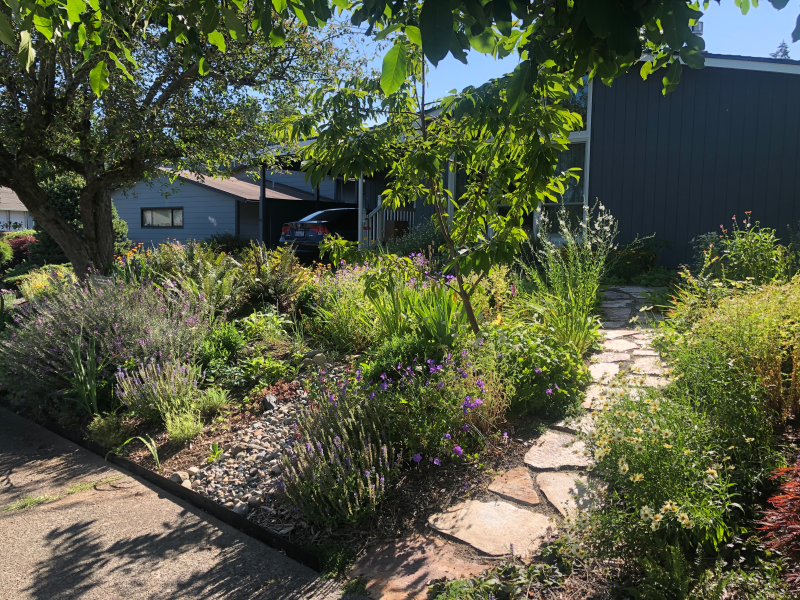
We begin every sustainable landscape overhaul with a thorough ecological assessment of your property, ensuring our designs work in harmony with Seattle’s unique climate and native ecosystems. Our process starts with soil health analysis, allowing us to identify opportunities for soil amendment using organic compost and biochar to improve nutrient cycling and water retention. We then develop a native plant palette that emphasizes Pacific Northwest species like red osier dogwood, Douglas aster, and sword ferns, fostering biodiversity and supporting local pollinators. By incorporating permaculture principles such as layering canopy, understory, and groundcover plantings, we create resilient garden zones that reduce maintenance needs, mitigate erosion, and enhance carbon sequestration.
Before any work begins, we conduct a thorough site assessment to understand each unique characteristic of your outdoor space. Our evaluation includes mapping existing vegetation, noting soil composition, and identifying drainage patterns. We often use soil probes to measure pH levels, texture, and nutrient content, alongside visual surveys of sun exposure and microclimates. In some cases, we employ drone imagery to get a bird’s-eye view of slope gradients and potential erosion zones. By documenting these factors, we can design a restoration plan that aligns with natural hydrology, encourages native wildlife, and reduces long-term maintenance. Our goal is to diagnose underlying issues, such as compacted soils or invasive species pressure, so that every decision is grounded in objective data rather than guesswork.
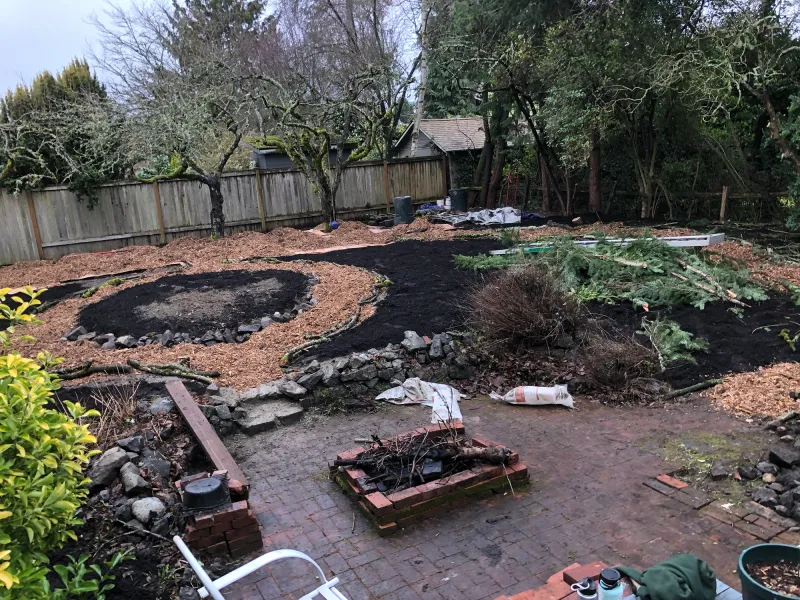
Once the assessment is complete, we move into design development, translating ecological data into a cohesive blueprint. Our designers sketch habitat zones that incorporate forest-edge plantings, pollinator meadows, and small wetland pockets where feasible. We layer plant communities tree canopy, shrub understory, and herbaceous groundcover, to mimic natural succession and improve biodiversity. During this phase, demolition becomes necessary when old lawns, outdated irrigation lines, or dilapidated structures interfere with restoration goals. We carefully remove concrete slabs or decaying wooden decks using hand tools and machinery, salvaging any reusable materials for future hardscape features. By separating debris into compostable organic matter, recyclables, and waste, we minimize landfill contributions and adhere to sustainable waste-management practices.
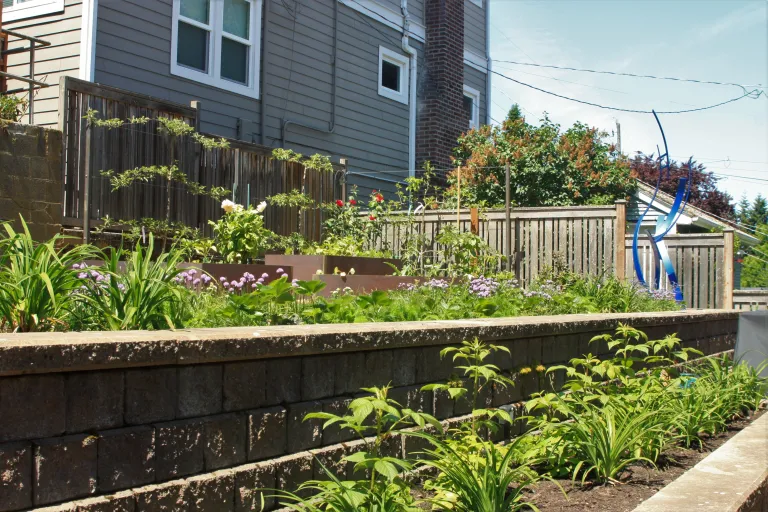
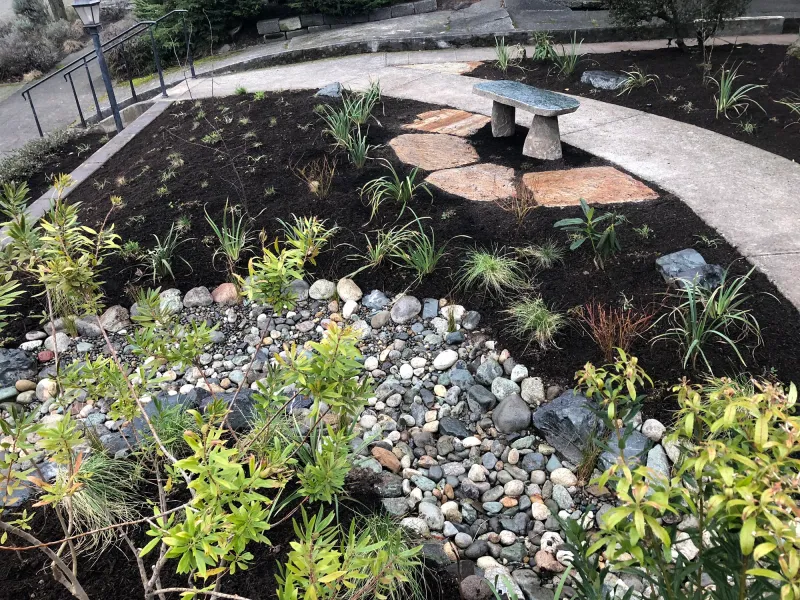
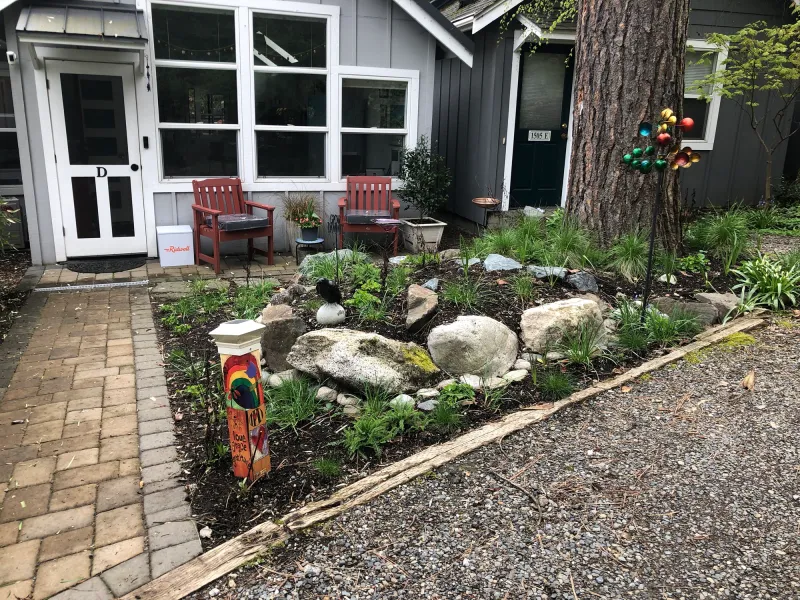
Hardscape elements play a critical role in defining usable spaces, guiding water flow, and anchoring plant communities. We design permeable walkways using crushed gravel or interlocking pavers set on a base of crushed stone, allowing rainwater to infiltrate rather than run off. Retaining walls are constructed from locally sourced stone or reclaimed timber, stabilizing slopes and creating terraced planting beds. Where seating or gathering areas are desired, we build low-profile benches from cedar or salvaged steel, blending functional design with environmental stewardship. Each hardscape feature is positioned to foster habitat connectivity; for instance, a stone outcropping might double as a basking spot for native reptiles or amphibians. Throughout construction, our crews ensure proper compaction underneath paving, test for subgrade stability, and install geo-fabric filters beneath permeable surfaces to prevent sediment clogging.
Healthy soil is the foundation of a sustainable landscape. In areas where past disturbance has depleted organic matter or introduced contaminants, we apply targeted soil remediation techniques. First, we perform soil tests to identify deficiencies in nitrogen, phosphorus, potassium, or micronutrients. Based on results, we blend organic compost, often enriched with mycorrhizal inoculants to restore soil structure and enhance microbial activity. In sites with compaction issues, we conduct core aeration or deep ripping to improve root penetration and water infiltration. For soil contaminated by heavy metals or hydrocarbons, we may incorporate biochar and specific phytoremediation plantings (such as sunflowers or mustard greens) to gradually sequester toxins. Our remediation approach always includes a post-treatment monitoring plan: we retest soil after six months to confirm improvements in nutrient content and microbial biomass before proceeding with full planting installation.
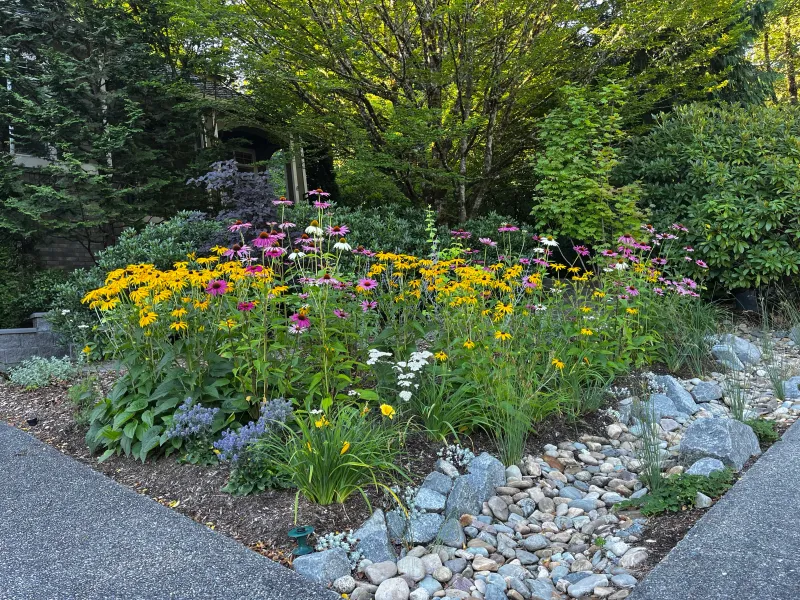
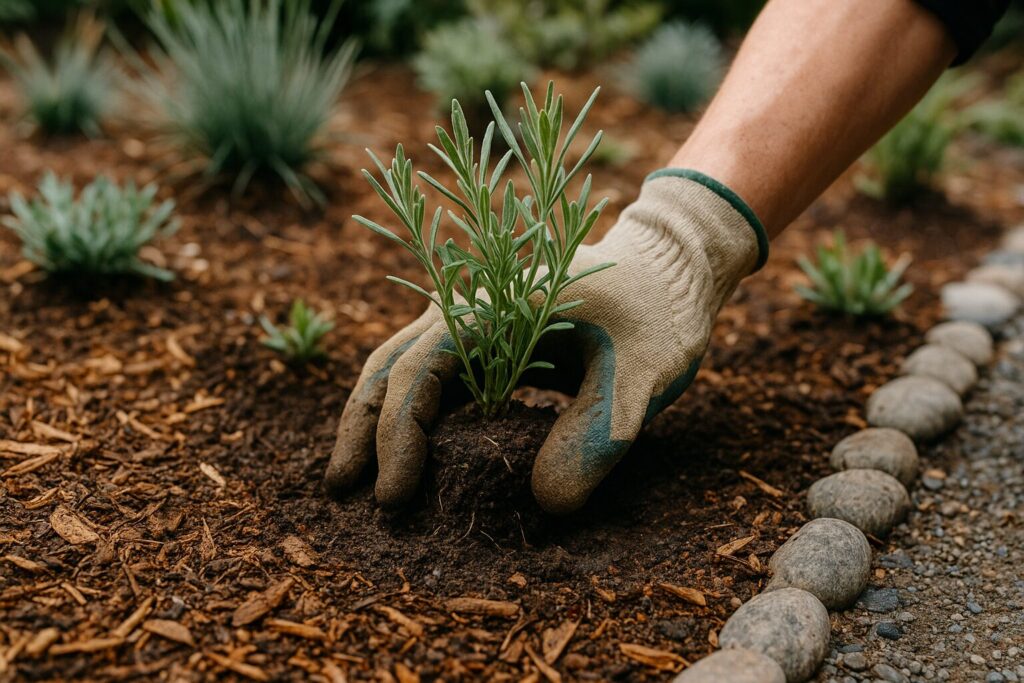
With soil health restored, we move to crafting a planting palette that celebrates Seattle’s native flora while meeting clients’ aesthetic preferences. We select species such as Sitka spruce, red-flowering currant, and Oregon grape to form the backbone of forest-edge areas, then interplant with shade-tolerant ferns (Polystichum munitum) and woodland wildflowers like trilliums and bleeding heart. In sunnier meadow zones, we include camas lily, lupine, and yarrow to attract pollinators throughout the growing season. For each planting bed, we lay out plants according to their mature dimensions and ecological roles, ensuring proper spacing to reduce competition for nutrients. Our installation crew places root-balled trees with native mulch and staking only as needed to prevent root flare damage. Understory shrubs and groundcovers are spaced to create immediate visual interest while allowing future spread. We also employ erosion-control fabrics on slopes where seed mixes, composed of native grasses and forbs are broadcast to establish resilient meadow patches.
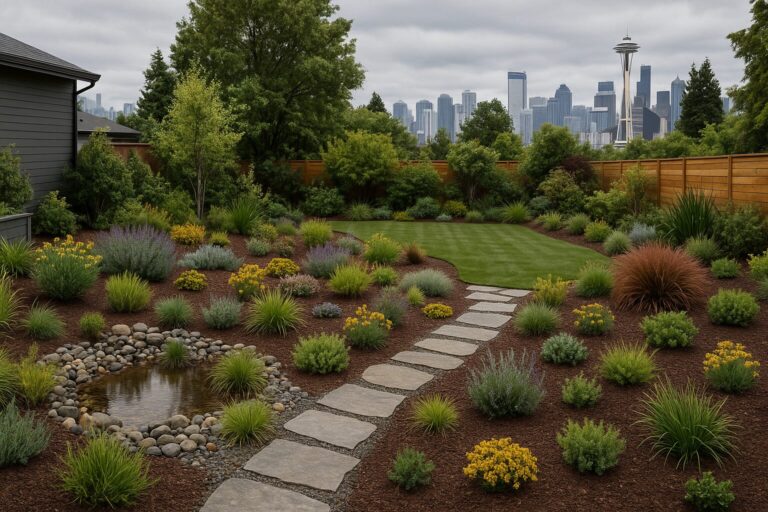
In many restoration projects, removing invasive or overgrown plants is essential to free up space for native communities. Our team begins by identifying target species, such as English ivy, Himalayan blackberry, or Scotch broom, and removes them manually, ensuring we excavate roots to prevent regrowth. When chemical control is necessary, we adhere to integrated pest management practices, using targeted herbicide applications only in isolated cases. Simultaneously, we dismantle outdated hardscape features—like travertine patios or concrete blocks—that impede restoration goals. Salvageable materials are reconditioned: flagstones can become stepping stones, and large boulders may be relocated to form informal seating cradles. For remaining stumps or subsurface debris, we use stump grinding and careful excavation to clear the planting area. Site cleanup involves screening soil to separate root fragments and organic matter, ensuring that future root competition is minimized.
Once unwanted elements are cleared, we integrate new hardscape with emerging plant communities to create seamless transitions between functional spaces and habitat features. Path edges may host drip-irrigated hedgerows of elderberry or serviceberry, while retaining wall terraces become nested niches for rock-loving species like stonecrop (Sedum sp.) or coastal rosemary (Rosmarinus officinalis). Permeable patio surfaces are bordered by low-growing purple fescue or dwarf ornamental grasses to filter runoff and soften edges. In rain-garden areas, we bowl-shaped basins lined with gravel capture stormwater from rooftops, replacing conventional downspouts. Native sedges and rushes planted at the margins of these basins help filter pollutants and create microhabitats for frogs and insects.
By weaving together site evaluation, mindful demolition, strategic hardscape construction, comprehensive soil remediation, and thoughtful planting design, we foster landscapes that regenerate themselves over time. Each step we take from removing invasive vines to installing drip irrigation calibrated for Pacific Northwest summers aligns with a larger vision of ecological balance. As native plant communities mature, they sequester carbon, support food webs, and absorb stormwater more effectively than conventional lawns. Though the initial restoration may feel extensive, our long-term monitoring and maintenance plans ensure that habitats continue to adapt, flourish, and provide lasting ecological and aesthetic benefits.
We provide comprehensive sustainable services that begin with a thorough site assessment to understand your property’s unique characteristics—soil composition, drainage patterns, sun exposure, and existing vegetation.
We invite you to reach out to us to begin planning your sustainable landscape overhaul project. You can contact us by email at connect@rutheodesigns.com or give us a call at (360) 844-2989. Whether you have specific questions about site evaluation, hardscape design, soil remediation, or native plant installation, we’re eager to help you create a thriving, environmentally friendly landscape with the expertise and care that Rutheo Designs is known for.
Links