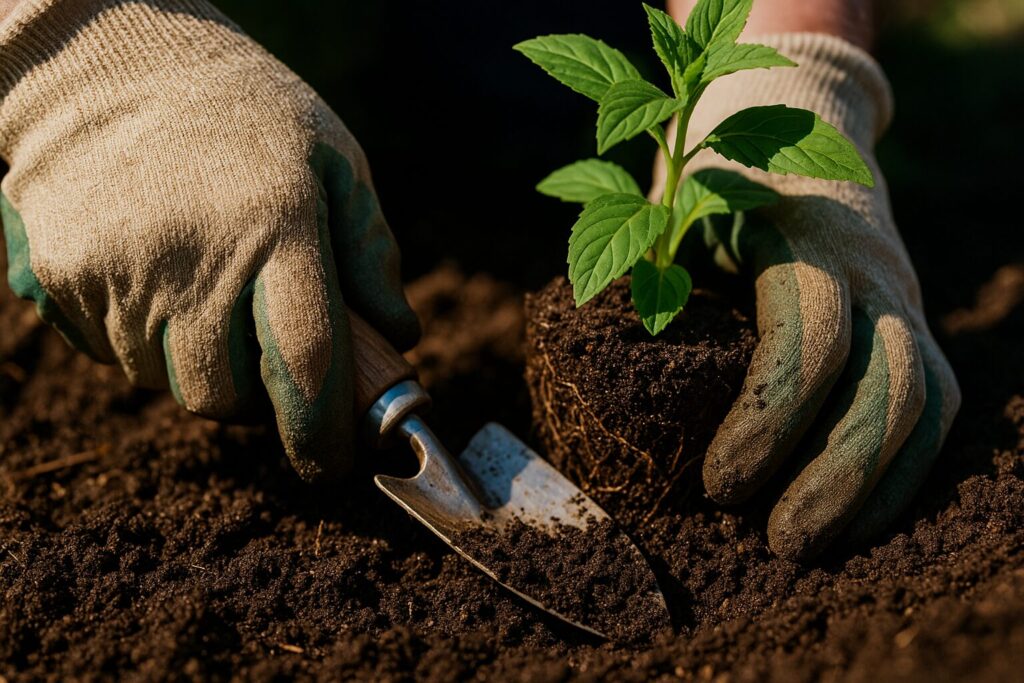
We understand that crafting a vibrant, pet-safe garden in Seattle’s unique maritime climate requires more than just pretty plants—it demands an ecosystem approach grounded in sustainability. We specialize in curating non-toxic plant palettes that thrive in the region’s cool, moist summers and mild, rainy winters. By focusing on native species such as Salal (Gaultheria shallon) and Coastal Strawberry (Fragaria chiloensis), alongside carefully vetted cultivars of Sedum and Carex, we create lush layers of foliage that support biodiversity and pollutant filtration through phytoremediation. Our plant selection emphasizes non-invasive groundcovers and sturdy perennials that resist digging or chewing, ensuring your dogs and cats can explore without exposure to harmful alkaloids or irritants.
We start with an in-depth, on-site analysis that combines microclimate mapping and pet behavior observation. Using GIS-informed sun-shadow diagrams and moisture probes, we chart each zone’s light exposure, soil moisture retention, and drainage patterns. Simultaneously, we observe your pets’ daily routines, favorite sunning spots, digging hotspots, and high–traffic pathways to allocate safe play areas and protect delicate plantings.
Alongside physical measurements, we conduct a brief questionnaire covering your pets’ dietary habits, known sensitivities, and energy levels. This lets us anticipate behaviors like heavy trampling or nibbling and adjust plant layouts accordingly. We also discuss your aesthetic and functional goals, whether you envision pollinator corridors, shade retreats, or seasonal color accents, so our design aligns with both landscape performance and your family’s lifestyle.
By the end of the consultation, you receive a digital Site Assessment Report with annotated aerial maps, risk-assessment matrices for existing vegetation, and preliminary planting zones. This report guides the subsequent phases like removal, sourcing, and installation, ensuring every decision is data-driven and pet-safe from Day One.
When surveying existing greenery, we identify known hazard species such as Lily-of-the-Valley (Convallaria majalis), Castor Bean (Ricinus communis), and Rhododendron spp., using a combination of visual inspection and our toxicity database. For each flagged specimen, we recommend one of three low-impact strategies: complete root-ball extraction, targeted chemical-free girdling, or phased transplanting if slope or erosion is a concern.
Extraction is performed with soil-safe tools and ergonomic lifts to minimize disturbance. If roots extend beneath hardscape or steep slopes, we install biodegradable root barriers and reinforce the site with erosion-control fabrics and organic mulch. All removed biomass is tracked and delivered to a certified Puget Sound composting facility, ensuring no toxins reenter your property or local waterways.
Should you choose to replace specimens immediately, we quarantine non-toxic alternatives in our nursery until the soil stabilizes post-removal. This staged approach preserves slope integrity, allows beneficial microorganisms to recolonize, and guarantees a seamless transition into the next planting phase.
Our internal plant database—built on decades of regional trial data—rates over 300 Pacific Northwest cultivars by toxicity level, hardiness zone (7–9), drought tolerance, and invasive risk. We cross-reference your Site Assessment Report’s soil pH, sun/shade ratios, and moisture indices to generate a short-list of 20–30 optimal species. Each entry includes cultivar name, expected mature size, bloom period, and root growth habits.
To ensure genetic integrity and pesticide-free stock, we partner exclusively with certified organic nurseries and small-scale growers within King and Snohomish counties. Before dispatch, all specimens undergo a “hardening-off” cycle in our Seattle nursery greenhouse: gradual exposure to rainfall, wind, and temperature fluctuations reduces transplant stress by up to 40% compared to direct field planting.
Every plant is delivered tagged with the following metadata: Latin binomial, common name, USDA hardiness, soil pH range, sun-exposure classification (full sun, part shade, deep shade), and companion-planting notes for beneficial polyculture. This transparency empowers you to understand each species’ role in your ecosystem and care regimen.
To curate feline-friendly gardens, we select only species devoid of glycosides, alkaloids, and saponins. Our top recommendations include:
We place these in layered plantingstall ferns at the back, mid-height violets in front—to provide visual screening and enrichment zones. For interactive enrichment, we also integrate “sniff stations” of catnip (Nepeta cataria) and valerian (Valeriana officinalis), enhancing mental stimulation without risk.
Our canine-safe palette emphasizes robust foliage, non-toxic chemistry, and foot-traffic resilience. Prime selections include:
We group these into “activity bands” that border pathways and play areas, creating living buffers that hold soil in place and guide canine movement through the yard.
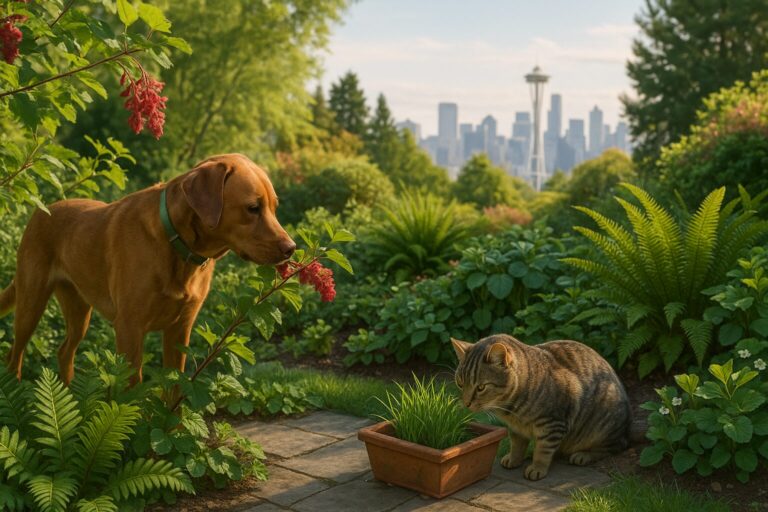
Our tailored maintenance plans ditch systemic chemicals in favor of organic and biological methods. We employ Integrated Pest Management (IPM): strategic release of predatory insects (ladybugs, lacewings), spot treatments with neem oil or insecticidal soap, and pheromone-based traps for early detection. Mulches are selected for low-dust, cocoa-shell–free blends to eliminate ingestion hazards.
Automated drip-irrigation systems, paired with soil-moisture sensors, maintain optimal hydration without overspray that can attract pets into muddy areas. We provide a seasonal care calendar—pruning schedules, soil-test reminders, and mulching cycles—to keep both plant health and pet safety at peak levels. Our mobile app reminder feature can alert you when activities like root-zone aeration, compost top-dressing, or pH adjustments are due.
Our designs layer vertical strata canopy trees, understory shrubs, herbaceous perennials, and groundcovers to emulate natural forest systems. This diversity supports beneficial insect populations: we plant pollinator strips of native milkweed (Asclepias spp.) and lupine (Lupinus spp.), alongside predator-attracting blooms like yarrow (Achillea millefolium). Soil structure is enhanced with biochar and mycorrhizal inoculants, which improve water retention and root resilience against pet compaction.
To optimize water use and ecological function, we integrate rain-gardens and bioswales that double as gentle pet-play elements. Discreet rain chains channel roof runoff into shallow basins lined with smooth river stones, pets can investigate without risk of deep water. Bird and bat boxes encourage vertebrate pest suppression, reducing reliance on any chemical deterrents.
Pet-friendly landscaping is an evolving partnership between your pets, plants, and environment. After installation, we schedule quarterly performance reviews: we measure canopy cover changes with NDVI imaging, reassess pH and nutrient levels, and map new microclimates created by maturing trees. Based on these insights, we recommend fresh non-toxic cultivars or seasonal rotation plantings, such as spring ephemerals or winter-hardy evergreens, to maintain year-round interest.
Our loyalty program offers ongoing nursery credits, educational workshops on topics like botanical first aid for pets, and a digital dashboard to track maintenance tasks and garden health metrics. This ensures your Seattle landscape remains a dynamic, resilient sanctuary where every member of your household—two-legged or four-legged—can thrive.
We provide expert non-toxic plant selection services tailored to Seattle’s unique climate and pet-friendly landscapes. After a thorough site evaluation—measuring soil pH, sun and shade patterns, and existing vegetation, we develop a bespoke plan for removing any hazardous species and introducing safe, sustainable plant palettes. Our team sources certified non-toxic cultivars, offers detailed planting guides for both cats and dogs, and advises on organic maintenance practices that preserve biodiversity and protect your family. Ready to create a vibrant, worry-free garden? Email us at connect@rutheodesigns.com or call (360) 844-2989.
We use cookies to improve your experience on our site. By using our site, you consent to cookies.
Manage your cookie preferences below:
Essential cookies enable basic functions and are necessary for the proper function of the website.
Google Tag Manager simplifies the management of marketing tags on your website without code changes.
Statistics cookies collect information anonymously. This information helps us understand how visitors use our website.
Google Analytics is a powerful tool that tracks and analyzes website traffic for informed marketing decisions.
Service URL: policies.google.com (opens in a new window)
Google reCAPTCHA helps protect websites from spam and abuse by verifying user interactions through challenges.
Marketing cookies are used to follow visitors to websites. The intention is to show ads that are relevant and engaging to the individual user.
Facebook Pixel is a web analytics service that tracks and reports website traffic.
Service URL: www.facebook.com (opens in a new window)
You can find more information in our Cookie Policy and Privacy Policy.