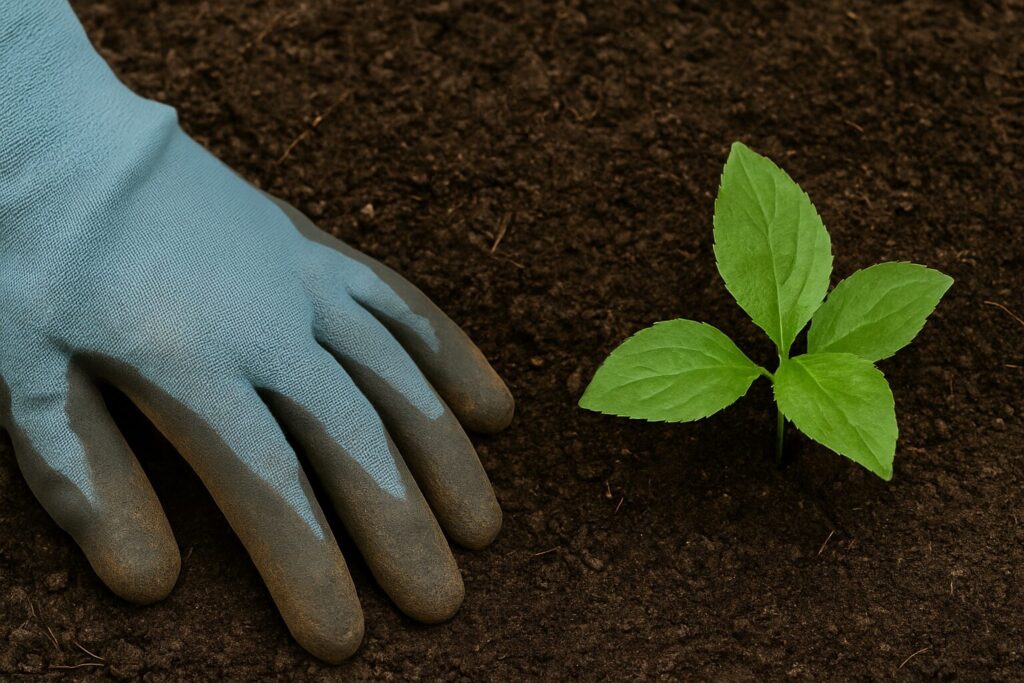
Seattle’s diverse soils and rainy climate can create both challenges and opportunities when it comes to building resilient, low-maintenance landscapes. We start by assessing your soil’s structure, pH balance, organic matter levels, and microbial activity to understand its true condition. Whether your soil is overly compacted, nutrient-depleted, or simply struggling to support your chosen plant palette, our team designs targeted amendment strategies using regionally sourced composts, mycorrhizal inoculants, mineral blends, and organic mulches that boost long-term fertility without relying on synthetic inputs. We don’t just “fix” soil, we help it function as a living system. Our amendments are selected to regenerate soil biology, increase moisture retention, and promote root health, ensuring your plants flourish naturally with less irrigation and fewer chemical interventions. Every solution is tailored to your site and your vision, because great gardens aren’t just grown, they’re carefully cultivated with intention, starting beneath the surface.
Soil health is the foundation of thriving, sustainable gardens. For us at Rutheo Designs, soil health means soil that supports plant growth, cycles nutrients naturally, holds moisture, and resists compaction and erosion.
In our designs, adding organic compost is the first step. We layer compost deeply—2 to 3 inches mixed into clay or sandy soils to boost fertility and structure, reduce compaction, and enhance moisture retention. For long-term carbon sequestration and structure-building benefits, we sometimes incorporate biochar, which also enhances microbial habitat and slows decay of garden carbon.
Compaction inhibits root growth and water infiltration. We improve drainage in clay-heavy soils by adding gypsum or sand as appropriate, paired with organic matter to keep pore space open. Raised beds are another tool, especially in low-lying or seasonally wet areas helping soil warm faster and drain more effectively while reducing compaction from pathways.
Seattle soils can trend acidic over time. We conduct soil tests to identify pH imbalances and add lime when necessary to bring soil into the optimal 6.0–7.0 range preferred by many vegetables and ornamentals. Nutrient deficiencies—such as nitrogen, phosphorus, or potassium—are addressed with organic sources like blood meal, bone meal, or well-aged animal manure, always composted and applied in moderation to avoid nutrient runoff and negative environmental impact.
A thriving soil is alive. We minimize disturbance through reduced tillage and promote cover cropping to maintain plant roots and mulch cover year-round, which supports microbial diversity and fungus activity essential for nutrient cycling. For vegetable beds or newly installed gardens, we apply mycorrhizal inoculants or compost teas that introduce beneficial fungi and bacteria, accelerating soil biology even in colder Seattle seasons.
Many gardeners unknowingly undermine soil health. Heavy foot traffic compacts soil; failing to mulch exposes it to erosion, temperature swings, and moisture loss; poor drainage leads to waterlogging; ignoring soil testing leaves pH or nutrient issues uncorrected; and overlooking soil biology can stunt nutrient cycling. We avoid these pitfalls by designing paths and planting zones to prevent compaction, employing generous mulch cover, installing raised beds where needed, and scheduling periodic testing and observation.
Additionally, choosing appropriate plant species, ideally native or adapted to Seattle’s climate reduces the need for chemical inputs and supports soil ecosystems. We discourage invasive species that disrupt local soil composition and ecosystem balance.
Healthy soil transforms gardens into self-sustaining systems. By combining regular compost addition, mulching, targeted amendments, cover crops, and biological inoculants, soils become more resilient to drought, pest pressure, and climate shifts. This long-term approach reduces the need for synthetic fertilizers or irrigation maintenance, contributes to carbon sequestration, supports native biodiversity, and stabilizes landscapes.
We emphasize patience and observation: soil doesn’t heal overnight. Instead, over seasons it becomes more structured, biologically active, and capable of sustaining plant communities with minimal intervention, making Seattle landscapes healthier, more beautiful, and truly sustainable.
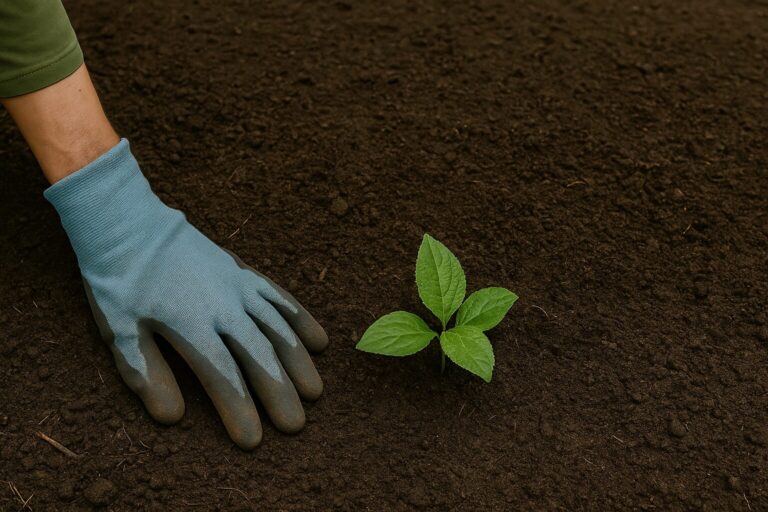
Seattle’s climate calls for soil management that shifts with the seasons. During fall and winter, heavy rain can compact soil, wash away nutrients, and disturb microbial life. To protect against this, we apply organic mulch like arborist chips or leaf litter to insulate the soil, limit erosion, and feed soil organisms through the colder months. In some areas, we also plant cover crops such as clover or vetch to hold the soil in place and naturally enrich it. These live roots help keep the soil structure intact and the biology active while plants above ground go dormant.
In spring, as the soil warms and dries, we begin gentle preparation. Rather than tilling, we prefer top-dressing with compost and letting soil organisms do the mixing. This helps preserve fungal networks and maintains better moisture retention. Early summer is a time to monitor soil moisture closely, especially during dry spells, so we prioritize keeping the soil covered and mulched to reduce evaporation. By late summer, we’re already planning for the next amendment cycle, whether it’s rotating vegetable beds, refreshing perennial zones, or prepping new planting areas. Seasonal awareness helps us care for the soil in a way that supports lasting fertility and balanced plant growth all year long.
Soil works best when it’s matched to the plants it supports. In our garden designs, we start by considering the natural conditions each plant prefers, especially when working with native or climate-adapted species. Pacific Northwest natives like red-flowering currant, salal, and sword fern thrive in slightly acidic, fungal-dominant soils that are rich in leaf litter but low in synthetic nutrients. These plants benefit more from improved structure and biology than from extra fertilizers. In fact, over-amending can disrupt their natural balance and invite invasive species.
On the other hand, plants like vegetables, fruit trees, and many non-native ornamentals need higher fertility and more regular amendment. For these zones, we build deep, well-structured beds using compost, organic fertilizers, and mineral amendments as needed. We often use raised beds or berms to fine-tune drainage and soil depth for root crops or plants with specific moisture needs. By dividing a garden into soil zones based on plant requirements, we can create healthier growing environments with less input over time.
We offer site-specific soil consulting and amendment planning to address common Seattle soil challenges, from compaction and poor drainage to low fertility and unbalanced pH. Our services focus on diagnosing underlying soil issues and applying regenerative solutions such as compost integration, fungal inoculants, and natural mineral balancing. Whether you’re revitalizing an existing garden bed or starting fresh with new plantings, we help you build soil that supports long-term plant health, water efficiency, and ecological balance. Ready to improve your garden from the ground up? Email us at connect@rutheodesigns.com or call (360) 844-2989. Whether you need help correcting clay-heavy soil, building organic matter, or designing a biologically active amendment plan, we’re here to guide you with practical, sustainable solutions.
We use cookies to improve your experience on our site. By using our site, you consent to cookies.
Manage your cookie preferences below:
Essential cookies enable basic functions and are necessary for the proper function of the website.
Google Tag Manager simplifies the management of marketing tags on your website without code changes.
Statistics cookies collect information anonymously. This information helps us understand how visitors use our website.
Google Analytics is a powerful tool that tracks and analyzes website traffic for informed marketing decisions.
Service URL: policies.google.com (opens in a new window)
Google reCAPTCHA helps protect websites from spam and abuse by verifying user interactions through challenges.
Marketing cookies are used to follow visitors to websites. The intention is to show ads that are relevant and engaging to the individual user.
Facebook Pixel is a web analytics service that tracks and reports website traffic.
Service URL: www.facebook.com (opens in a new window)
You can find more information in our Cookie Policy and Privacy Policy.