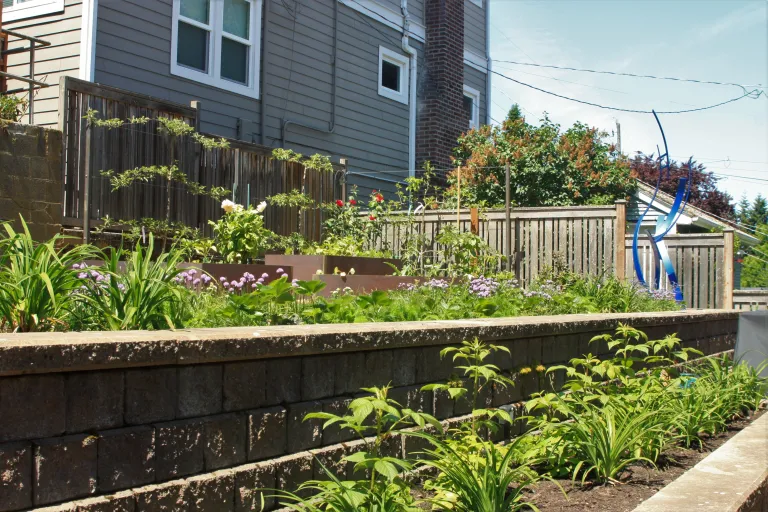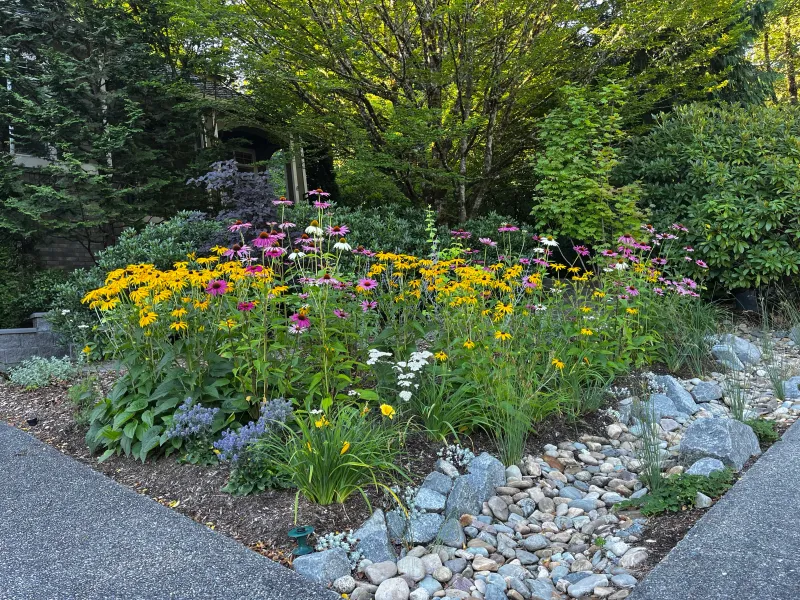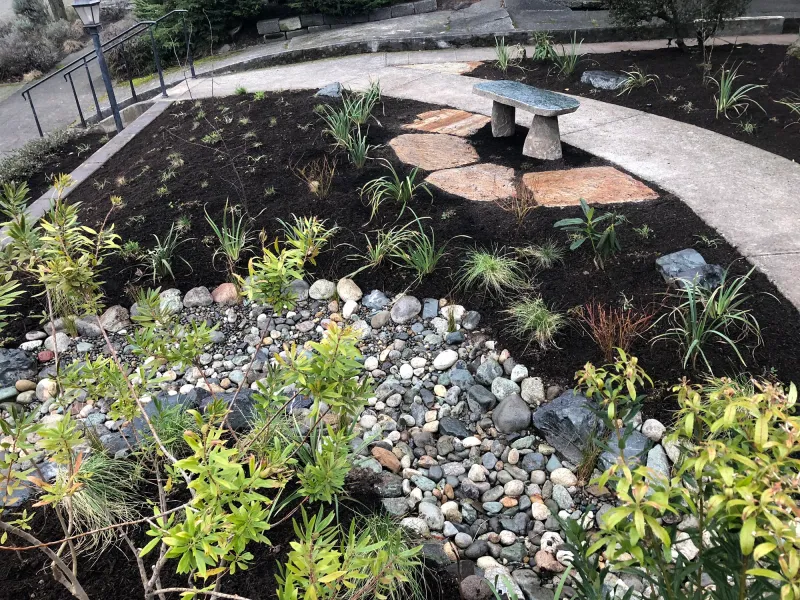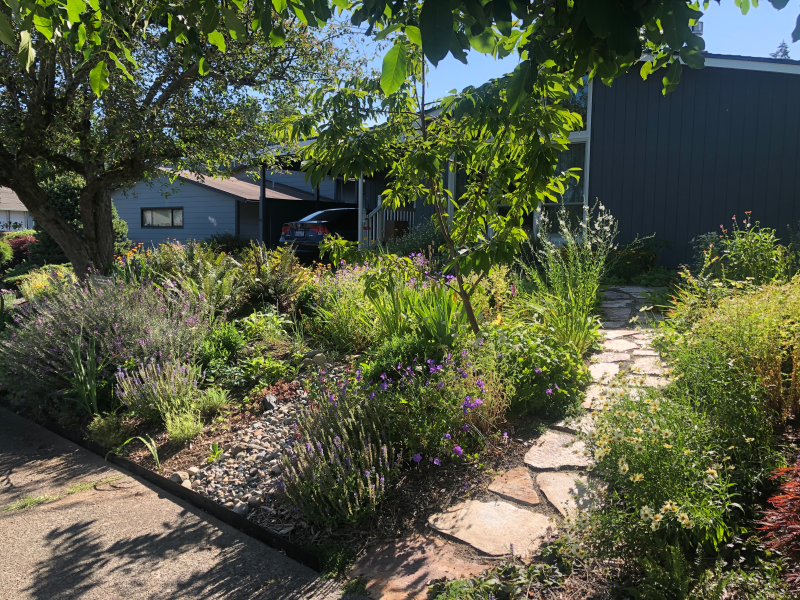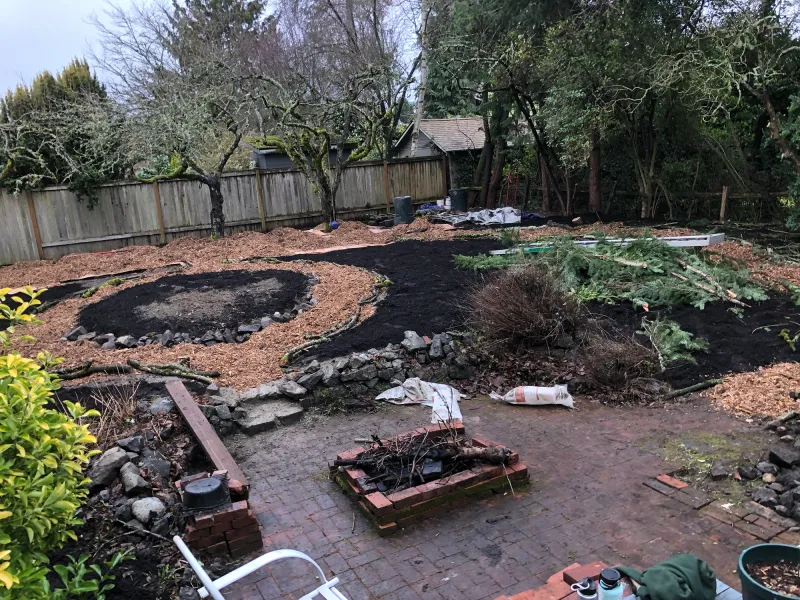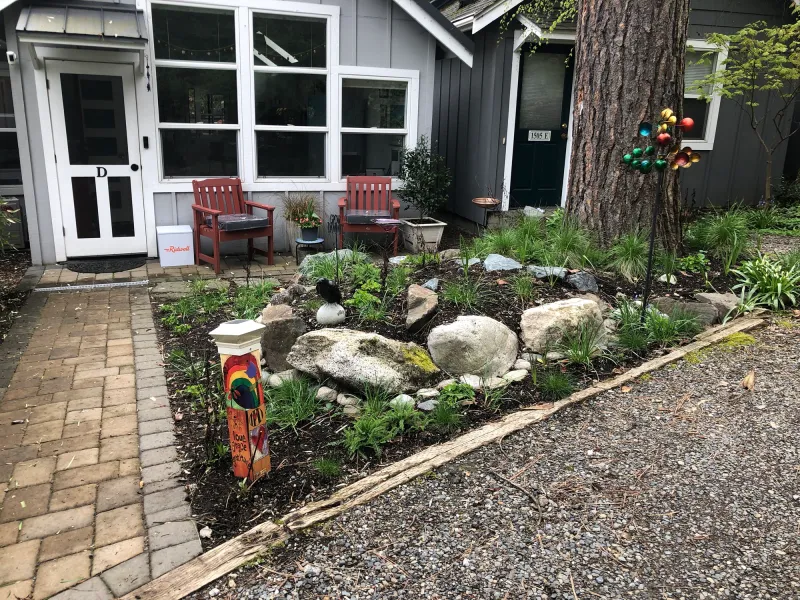
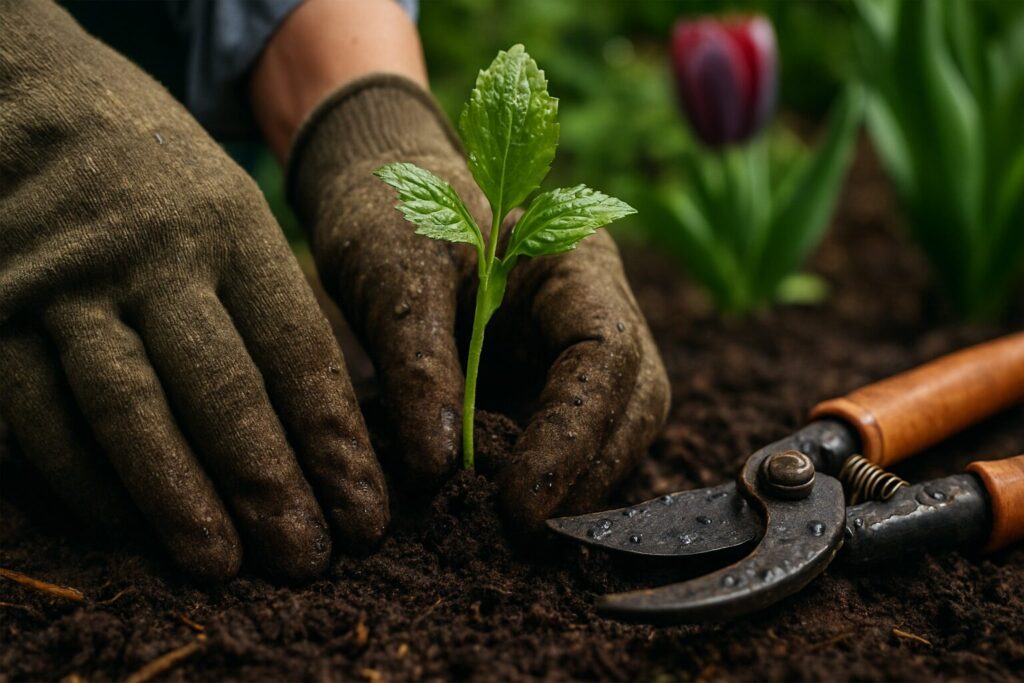
Seattle’s mild, wet climate means gardeners should focus on soil health and plant selection in spring and summer by enriching beds with compost, choosing cold-hardy, drought-tolerant natives like Salal and Oregon Grape, applying a two- to three-inch layer of organic mulch to retain moisture and suppress weeds, and installing drip irrigation or rain barrels to manage water efficiently; monitoring for slugs and fungal issues through regular foliage inspections and using organic controls helps maintain plant health. As autumn arrives, it’s important to build winter resilience by collecting fallen leaves to make leaf mold for improved soil structure, sowing cover crops like clover to fix nitrogen and prevent erosion, pruning deadwood to enhance air circulation, planting cold-tolerant bulbs such as Daffodils and Camas Lilies, and adding extra mulch or burlap windbreaks around tender perennials to protect roots from frost, ensuring a balanced, sustainable garden ready for spring.
During early spring in Seattle, gardeners should begin by assessing soil conditions to ensure proper drainage and fertility. Soil often remains cool and moist due to lingering winter rains, so testing soil temperature and pH (ideally around 6.0 to 6.5) can guide amendments. Adding well-aged compost or leaf mold helps improve texture, aeration, and nutrient availability. Perennial beds benefit from removing dead foliage and thinning overcrowded clusters of spring bulbs like Crocus and Muscari to reduce disease risk and promote healthy regrowth. Pruning dormant deciduous shrubs such as currants, forsythias, and clematis helps remove dead or crossing branches, encouraging better airflow. Cool-season vegetables like spinach, peas, and radishes can be sown under lightweight row covers to protect against late frosts and kick‐start growth.
Once frost risk subsides, typically by mid‐April, gardeners can transition to planting warm‐season annuals, vegetables, and ornamentals. Raised beds should be lightly forked and amended with balanced organic fertilizer along with a top‐dressing of compost. Tomato, pepper, and bean seedlings started indoors in late February or early March can be hardened off and transplanted outdoors when soil temperatures consistently exceed 50°F (10°C). Ornamental plantings—such as dahlias, salvias, and geraniums- thrive when introduced after the last frost, provided they receive at least six hours of sun daily. Grouping plants by similar sun and moisture requirements creates distinct microzones that simplify irrigation and maintenance. Weeds should be removed before applying a two-inch layer of mulch, bark fines or straw to conserve moisture and suppress further weed emergence. Installing drip irrigation lines or soaker hoses at this stage ensures efficient water delivery directly to root zones.
Seattle’s summer is generally warm and dry, making water management and heat stress prevention crucial from June through August. Irrigation scheduled for early morning reduces water loss through evaporation; drip lines and soaker hoses are preferred over overhead sprinklers to minimize foliage moisture that can promote fungal diseases. Monitoring soil moisture using a simple finger test helps determine when the top two inches of soil begin to dry out, indicating the need for supplemental watering. Native and drought‐tolerant species, such as Oregon Grape (Mahonia aquifolium), Red‐Flowering Currant (Ribes sanguineum), and Salal (Gaultheria shallon) often remain resilient during dry spells but benefit from occasional deep watering. Pest pressure can increase in warmer months: Slugs are attracted to moist mulch and shade, so placing beer traps or copper barriers can help control them, while beneficial nematodes in the soil target pest larvae like weevil grubs without harming pollinators. Periodic applications of a slow‐release organic fertilizer in early summer help sustain vigorous growth without encouraging excessive, tender foliage that attracts insect pests.
Maintaining a Seattle garden in summer involves regular pruning, deadheading, and structural support for growing plants. Deadheading spent blooms on perennials like Echinacea, Lavender, and Salvia reduces seed production and encourages repeat flowering, extending seasonal interest. Groundcovers such as creeping thyme or wild strawberries may require light trimming to prevent them from encroaching on adjacent beds. Weekly inspections for signs of heat stress, leaf curl on maples, or wilting in young plants ensure timely irrigation adjustments. During heatwaves exceeding 85°F (29°C), temporary shade cloth over tender seedlings can prevent sun scorch. Supporting tall or vining plants like sweet peas and clematis with trellises or stakes helps avert damage from wind gusts or unexpected hail, which occasionally occur even in summer months. By clustering pruning, staking, pest scouting, and irrigation monitoring, gardeners maintain balance and resilience in their landscapes through the warmest season.
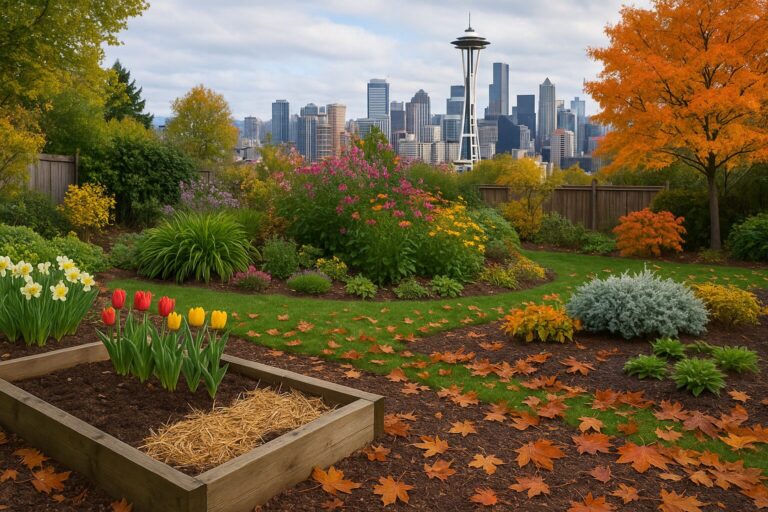
As temperatures begin to drop and daylight fades, fall cleanup tasks become essential for plant health and soil preparation. Gardeners should remove spent annuals and diseased foliage, particularly from plants affected by powdery mildew, rust, or black spot, and dispose of material through municipal green‐waste programs to prevent pathogen spread. Dividing overgrown summer‐flowering perennials like daylilies, astilbes, and hostas rehabilitates root systems and enhances vigor. Vegetable plots benefit from pulling spent vines of cucurbits and tomatoes, cutting them at soil level. Healthy plant matter can be tilled or composted to return nutrients to the soil. Fallen leaves and pruned branches become valuable resources when converted to leaf mold: collecting leaves in mesh bags or wire bins allows natural decomposition over winter, producing a fine, moisture‐retentive amendment for spring. Sowing cover crops—such as winter rye or Austrian winter peas in bare beds fixes nitrogen, thwarts erosion during heavy rains, and suppresses weeds.
With first frosts looming in November, gardeners should focus on protecting perennials, shrubs, and soil organisms. Applying a three‐ to four‐inch layer of organic mulch—shredded bark, well‐composted leaves, or wood chips around perennial beds and the bases of young fruit trees helps regulate soil temperature and reduces freeze‐thaw cycles that can heave roots. Wrapping tender shrubs such as Camellia japonica, Euonymus, and Leptospermum scoparium in breathable burlap shields them from cold, drying winds common in the Pacific Northwest winters. Garlic cloves planted in mid‐October, two inches deep and spaced six inches apart, establish roots and remain insulated beneath the mulch layer. In areas with clay‐heavy soils, avoiding foot traffic during wet spells prevents compaction; temporary wooden planks or stepping stones can distribute weight when access is needed. Draining garden hoses, insulating outdoor faucets, and relocating potted plants ferns, succulents, and other frost‐sensitive specimens into sheltered areas like unheated garages or under eaves reduces the risk of frost damage.
Although much of the landscape appears dormant from December through February, certain tasks help prepare for spring growth. Checking stored bulbs, tubers, and root divisions for rot or pest infestation during dry spells helps eliminate compromised material and safeguard future plantings. If soil remains unfrozen, turning compost piles maintains aerobic conditions, encouraging decomposition and ensuring nutrient‐rich compost is ready by spring. Bare‐root planting of trees and shrubs, such as dogwood (Cornus nuttallii), hawthorn (Crataegus spp.), and fruiting cherries (Prunus avium), can occur on milder winter days, taking advantage of dormant periods to reduce transplant shock. Monitoring turf and groundcover areas for winter fungi, like snow mold, allows for gentle raking of debris to increase airflow and reduce disease risk. In bird‐friendly gardens, maintaining accessible water sources—heated or insulated to prevent freezing—and replenishing high‐energy seed mixes supports local wildlife. Though significant snowfall is rare in central Seattle, installing a snow rake for conifers and broadleaf evergreens can prevent branch breakage when unseasonal snow or ice accumulates.
We provide comprehensive, sustainable services that begin with a detailed space assessment to understand your outdoor area’s unique characteristics—sunlight patterns, structural load capacity, wind exposure, and existing hardscapes. Our process ensures that every planter installation is tailored to create a thriving, eco-friendly micro-garden suited to your lifestyle and Seattle’s climate.
We invite you to reach out to us to begin planning your sustainable balcony and patio garden project. You can contact us by email at connect@rutheodesigns.com or give us a call at (360) 844-2989. Whether you have specific questions about container selection, vertical gardening systems, space-saving furniture integration, or irrigation strategies, we’re eager to help you build a vibrant, low-maintenance garden with the expertise and care that Rutheo Designs is known for.
Links