Imagine stepping into a living mosaic of native wildflowers and fluttering wings, this is the experience we create at Rutheo Designs. Beginning with an in-depth analysis of your site’s microclimate, soil texture, and existing vegetation layers, we draft a bespoke butterfly habitat blueprint that nurtures both adult pollinators and their caterpillars. Our design weaves together clusters of Pacific ninebark, western columbine, and other indigenous host species with uninterrupted nectar corridors, guided by phenology-based succession planting and GIS-informed sun-exposure mapping. To fortify plant health from the ground up, we inoculate soils with locally sourced mycorrhizal fungi, enhancing nutrient uptake and drought resilience in ways you won’t find on generic competitor pages. Once the design earns your stamp of approval, our crew handles every detail, from organic soil amendments and precision-graded berm installations for optimal drainage to the placement of bespoke larval shelters like brush piles and certified monarch waystations.
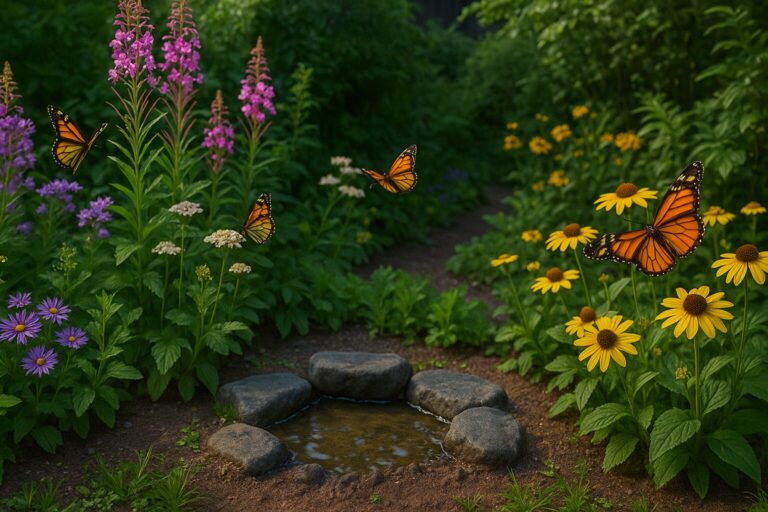
We design puddling sites as gently sloped, shallow basins filled with a custom blend of coarse river sand, crushed granite, and a touch of sodium-rich termite mound clay. This mix retains moisture without stagnation, providing butterflies with essential minerals like sodium and calcium that support egg development and adult vitality. To prevent algae growth and compaction, we install a discreet overflow channel and schedule seasonal top-ups of fresh substrate, ensuring the feature remains inviting throughout the warm months.
Positioning is equally crucial: we place puddling zones in sun-warmed areas near nectar corridors and sheltered from prevailing winds. Flat basalt stepping stones, sourced from Pacific Northwest quarries, edge each basin, these stones absorb daytime heat and offer butterflies warm perches at dawn. By clustering multiple puddling sites at varying elevations, we cater to different species’ preferences and encourage frequent visits, transforming your landscape into a dynamic pollinator watering hole.
Selecting the right host plants guarantees caterpillar survival. We choose regionally native species—monarch caterpillars on Asclepias speciosa and Mourning Cloak larvae on Alnus rubra planted in clusters of three to five individuals to mimic natural stands. Clustering reduces predation risk by concentrating larvae in a protective microhabitat and simplifies the search for egg-laying females. We stagger planting times so fresh foliage is available throughout the growing season, ensuring uninterrupted larval feeding.
Nectar sources are organized into continuous bloom sequences. Early-spring Camassia quamash (camas lilies) transition to summer Penstemon serrulatus and late-season Symphyotrichum chilense asters, eliminating nectar gaps. We also include tubular blooms like Salvia and Nepeta to accommodate long-tongued species, alongside flat-topped daisies for shorter-tongued butterflies. Each block follows our phenology maps, guaranteeing that nectar is always within a few feet of resting or puddling areas, optimizing feeding efficiency for both resident and migrating butterflies.
Seattle’s mix of wet winters and occasional summer droughts demands resilient form and function. We sculpt subtle berms and swales that channel winter runoff into underground reservoirs, maintaining soil moisture during dry spells while preventing crown waterlogging. Deciduous canopy zones host shade-tolerant host plants, where leaf litter enriches soil biology and retains humidity. Conversely, full-sun slopes are reserved for heat-loving nectar species that require maximum solar gain.
Underpinning this layout is a soil enhancement regime combining local compost, biochar, and mycorrhizal inoculants. The biochar retains water and nutrients, while the fungi establish symbiotic networks that boost drought resistance. We mulch with Douglas-fir needles to moderate soil temperature and pH, creating stable conditions for root growth. Where impermeable surfaces exist, we integrate rain gardens and permeable pavers to reduce runoff and connect fragmented habitats.
Our installation methods prioritize ecological health and low carbon impact. We use hand tools and low-ground-pressure machinery to preserve existing root networks and soil structure. Peat-free soil mixes based on coir and recycled green waste support native microbial life and reduce reliance on nonrenewable resources. Plant stock is sourced from certified Seattle nurseries that propagate local genotypes, ensuring genetic compatibility with regional butterfly populations.
Irrigation systems employ drip lines with weather-based controllers and solar-powered soil moisture sensors. These sensors relay real-time data to adjust watering schedules, preventing over- or under-watering at the zone level. By combining precise emitters with targeted scheduling, we conserve water while maintaining optimal moisture for both host and nectar plants. This approach aligns with Seattle’s sustainability goals and reduces maintenance needs over time.
Long-term garden health hinges on attentive seasonal management. In early spring, we prune dead material and clear debris to promote airflow around emerging host plants, reducing fungal pressures. As caterpillar populations grow, we perform weekly inspections of host clusters, relocating larvae if threatened by predators or adverse weather. These hands-on visits also allow us to spot early signs of pests or disease and apply eco-friendly treatments before issues escalate.
During peak bloom periods, we track flower fade and implement “nectar flushes” by applying organic liquid feeds that encourage secondary bloom cycles. In late summer, we collect seed from spent blossoms to preserve genetic diversity and may sow seed in nursery beds for next year’s plantings. Fall visits focus on maintaining overwintering habitat: we leave brush piles and leaf litter in place, while pruning invasive species that could outcompete native hosts in spring.
Structural elements enrich the garden’s ecological tapestry. We construct brush piles from fallen branches in shaded corners to offer pupae and hibernating adults secure shelters. “Butterfly benches”—low stone walls with embedded soil pockets provide warm perches and additional plant niches. These multipurpose features marry aesthetic appeal with habitat function, encouraging butterflies to rest, mate, and overwinter on your property.
For advanced habitat integration, we install ventilated mesh shelters, custom “butterfly huts”—near host clusters, offering refuge during heavy rains and temperature extremes. Surrounding the garden edges, windbreak hedgerows of Ribes sanguineum (red-flowering currant) and Mahonia aquifolium (Oregon grape) serve as early-season nectar sources and protective screens. These living barriers buffer wind and noise, creating a calm microclimate for delicate species.
Our vision extends beyond individual gardens to interconnected urban networks. We collaborate with local conservation groups to map client gardens and establish green corridors that link downtown, residential, and suburban habitats. Homeowners are encouraged to record butterfly sightings via citizen science platforms like iNaturalist, contributing valuable data to regional biodiversity assessments. This participatory approach turns private gardens into community-driven conservation nodes.
We also host educational workshops on butterfly ecology, propagation of native plants, and ethical larval handling. By sharing our technical know-how, such as advanced phenology mapping and soil biology principles, we empower clients to become stewards of local ecosystems. This collective stewardship strengthens pollinator resilience across the Puget Sound region, ensuring that butterfly habitats thrive for generations to come.
As your butterfly garden flourishes, new opportunities emerge to deepen ecological impact. We offer follow-up consults to introduce complementary pollinator features, such as native bee hotels, hummingbird feeders, and night-blooming nectar plants for nocturnal moths. Seasonal reviews help identify underutilized microhabitats where additional plantings or water features can boost biodiversity.
For larger-scale projects, we facilitate neighborhood-wide habitat initiatives, aligning bloom times and water features across adjacent properties. By coordinating efforts, we transform isolated gardens into contiguous ecological corridors that magnify habitat value. This collaborative model turns Seattle’s urban fabric into a living web of pollinator support, ensuring that every fluttering wing finds the resources it needs.
We offer one-on-one butterfly garden consultations designed to help you create and sustain vibrant pollinator habitats in Seattle’s distinctive climate. Whether you’re interested in outlining custom planting plans, installing optimized puddling sites, or selecting the ideal mix of native host and nectar plants, our expert coaching will guide you through every step. During our initial meeting, we evaluate your site’s soil conditions, light exposure, and moisture dynamics to develop a tailored strategy that maximizes butterfly activity while ensuring long-term garden resilience. To get started, email us at connect@rutheodesigns.com or call (360) 844-2989. Whether you need advice on bloom succession mapping, habitat enhancements, or seasonal maintenance protocols, we’re here to support you in building the butterfly garden of your dreams.
We use cookies to improve your experience on our site. By using our site, you consent to cookies.
Manage your cookie preferences below:
Essential cookies enable basic functions and are necessary for the proper function of the website.
Google Tag Manager simplifies the management of marketing tags on your website without code changes.
Statistics cookies collect information anonymously. This information helps us understand how visitors use our website.
Google Analytics is a powerful tool that tracks and analyzes website traffic for informed marketing decisions.
Service URL: policies.google.com (opens in a new window)
Google reCAPTCHA helps protect websites from spam and abuse by verifying user interactions through challenges.
Marketing cookies are used to follow visitors to websites. The intention is to show ads that are relevant and engaging to the individual user.
Facebook Pixel is a web analytics service that tracks and reports website traffic.
Service URL: www.facebook.com (opens in a new window)
You can find more information in our Cookie Policy and Privacy Policy.