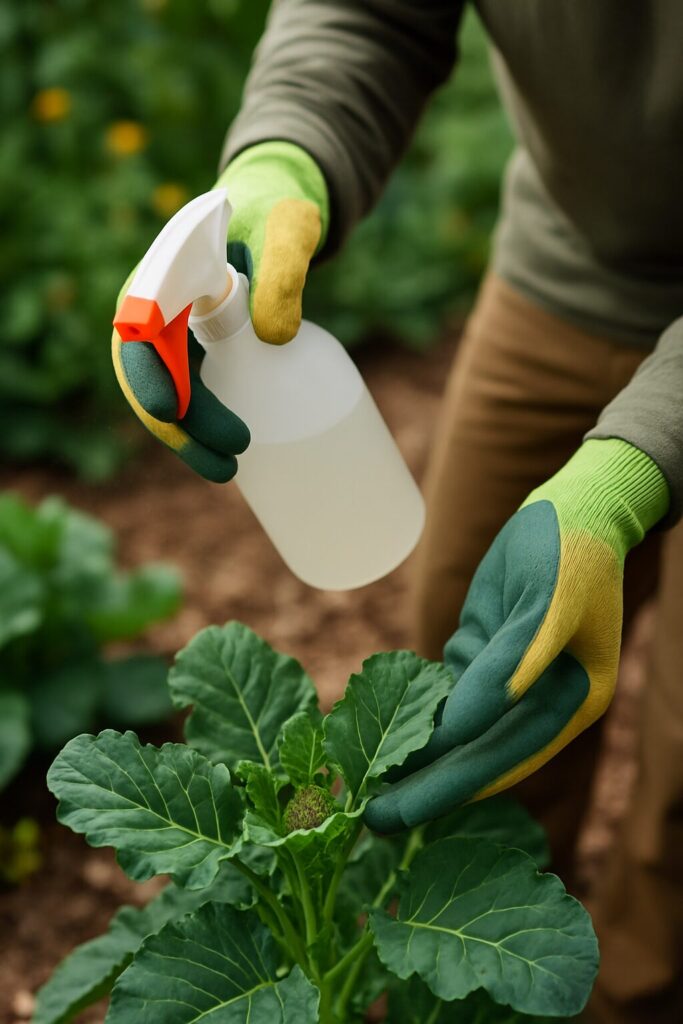
We believe a thriving garden begins with a balanced ecosystem, not harsh chemicals. In Seattle’s moist, temperate climate, where slugs, aphids, and mildew love to linger, we focus on organic treatments that strengthen plant resiliency and support beneficial wildlife. We rely on methods like targeted botanical oils, soil-enhancing compost teas, and habitat-building plant selections to keep pests in check without disturbing the natural cycles your garden depends on.
By clustering companion plants, encouraging predator insects, and using organic treatments only where needed, we create landscapes that are not only beautiful but also self-regulating over time. Our approach blends practical sustainability with thoughtful garden design, allowing us to treat pest pressures in ways that preserve soil structure, protect pollinators, and maintain long-term plant vigor. Instead of blanket spraying, we prioritize early detection and gentle interventions like introducing microbe-rich foliar applications or placing decoy crops that redirect pests away from your focal plantings.
Healthy soil is the backbone of every sustainable pest management system. In Seattle, where soils are often dense with clay and prone to holding excess water, we take extra care in improving soil composition so that roots can breathe and beneficial microbes can thrive. We incorporate compost blends rich in organic matter, which help loosen soil, improve drainage and create better root structure. These amendments also supply food for beneficial fungi and bacteria that support plant immunity. We use aeration, mulching with plant-based materials and low-disturbance bed preparation to encourage earthworms and other soil organisms to build channels that increase oxygen in the root zone. Compost teas and microbe-rich extracts can help restore biological diversity, making plants more capable of producing their own natural defense compounds. When the soil retains nutrients efficiently and supports complex microbial life, it becomes harder for pests and pathogens to gain a foothold.
A thriving community of beneficial insects is one of the most effective forms of natural pest control. At Rutheo Designs, we shape landscapes that attract and protect these species by integrating layered plantings, shelter zones and nectar-rich flowers. Ladybugs, lacewings, hoverflies and parasitic wasps are all natural enemies of soft-bodied pests like aphids, whiteflies and young caterpillars. To encourage these predators, we incorporate diverse flowering plants that bloom through multiple seasons, offering a steady supply of pollen and nectar. We also design habitat pockets, such as small stone clusters, leaf-litter zones and low shrubs that offer protective cover. Birds are powerful allies as well, especially insect-eating species that help keep larvae and beetles under control. By including trees, water dishes, berry-producing shrubs and safe nesting spots, we create an environment where birds naturally maintain pest balance. These ecological features turn the garden into a living community where predation happens continuously without human intervention.
Companion planting allows us to shape plant groupings that work together to reduce pest pressure. Many herbs release aromatic compounds that confuse or deter insects, making them ideal neighbors for vegetable beds or ornamental clusters. We use plants like sage, rosemary and chives to create scent barriers around susceptible species. Trap crops are another organic method we often employ, especially for slug- and aphid-prone gardens. By planting appealing “decoy” plants nearby, we draw pests away from the main garden areas, allowing us to treat the trap plants rather than spraying entire beds. Cultural controls also play a major role in pest prevention. Proper spacing improves air circulation, reducing fungal issues. Regularly removing decaying leaves and trimming overcrowded stems eliminates hiding spots for pests. Watering early in the day helps foliage dry quickly, lowering the likelihood of mildew or rot. Even small details such as redirecting irrigation away from foliage or maintaining tidy garden edges can dramatically reduce pest activity.
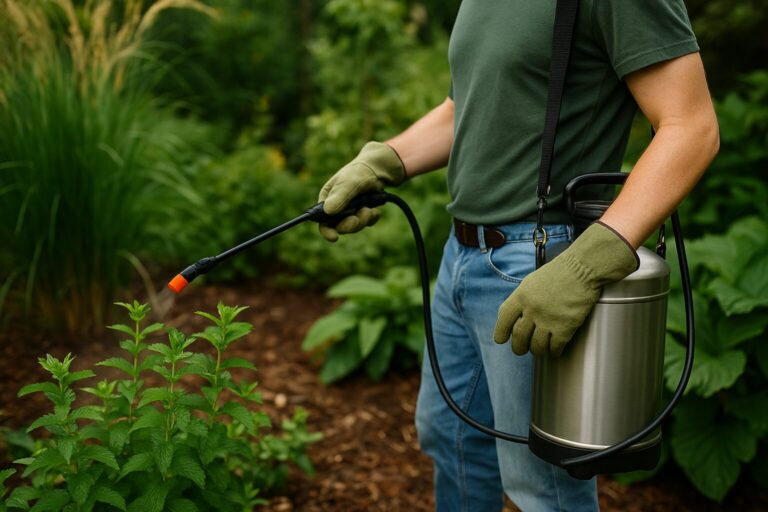
When pest populations reach a level where intervention becomes necessary, we rely on targeted, low-impact organic treatments rather than broad-spectrum methods. We use botanical oils derived from plants, insecticidal soaps that break down quickly, and microbial insecticides that affect only specific pest types. These treatments offer immediate support while still protecting beneficial insects. For slugs and snails, which are particularly active in Seattle’s damp conditions, we use physical barriers, copper lining, organic pellets and hand-removal tactics before introducing any sprays. Timing also matters. By applying treatments during early morning or evening hours, we reduce sun-related stress on plants and minimize disruption to pollinators. Treating only affected areas instead of whole-garden coverage preserves the diversity of predators and soil life that keep long-term balance in place.
Organic pest management requires attention and patience. Instead of treating automatically at the first sign of a pest, we evaluate the severity, the presence of natural predators and the overall plant condition. Many minor infestations resolve naturally when beneficial insects intervene, and we avoid unnecessary treatments to maintain ecological harmony. We conduct regular inspections of root zones, leaf undersides, moisture levels and soil texture, because pests usually appear where plants are already stressed. Over time, these observations shape our understanding of each garden’s “patterns,” helping us anticipate what pests are likely to emerge during certain seasons. By tracking these changes year after year, we refine each landscape so it becomes increasingly resilient, needing fewer interventions as the living systems strengthen.
One of the most powerful tools in organic pest control is ensuring that the design itself limits pest problems from the beginning. We choose plant species that are naturally adapted to the Pacific Northwest’s rainfall, soils and light patterns so they are less likely to develop stress-related weaknesses. We position plants with airflow, shade or sunlight in mind, preventing diseases that thrive in damp foliage or dark pockets. We also incorporate patches of biodiversity instead of monocultures, because mixed plant clusters help break pest cycles and attract a broader range of beneficial species. These design strategies create landscapes where pest resistance is built into the layout, not added later as an afterthought.
The future of organic pest control is moving toward even deeper biological understanding, especially related to soil ecosystems, predator habitats and plant chemistry. As research expands, new methods continue to emerge that help gardeners work with natural processes rather than against them. In Seattle’s climate, the most reliable results come from combining ecological design, strong soil biology, thoughtful plant selection and precise, minimal intervention. With these principles in place, landscapes evolve into balanced environments that maintain their own stability and keep pests from overwhelming the garden.
We provide tailored guidance to help you manage pests in your Seattle garden using organic, environmentally supportive methods that strengthen plant health and protect local ecosystems. Our consultations focus on identifying pest pressures specific to your site, evaluating soil conditions, and assessing plant stressors that may be inviting unwanted insects. From developing natural predator habitats to recommending plant-based treatments, moisture-management adjustments, and ecological design improvements, we help you adopt pest solutions that work with nature rather than against it.
Whether you’re navigating persistent slug activity, aphid cycles, fungal challenges, or soil-borne issues, we offer strategies rooted in sustainability and long-term resilience. We invite you to reach out and start transforming your outdoor space with Rutheo Designs’ coaching expertise. Email us at connect@rutheodesigns.com or call (360) 844-2989. Whether you have questions about habitat creation, permaculture guilds, crop rotation schedules, or advanced pruning techniques, we’re here to support you every step of the way.
We use cookies to improve your experience on our site. By using our site, you consent to cookies.
Manage your cookie preferences below:
Essential cookies enable basic functions and are necessary for the proper function of the website.
Google Tag Manager simplifies the management of marketing tags on your website without code changes.
Statistics cookies collect information anonymously. This information helps us understand how visitors use our website.
Google Analytics is a powerful tool that tracks and analyzes website traffic for informed marketing decisions.
Service URL: policies.google.com (opens in a new window)
Google reCAPTCHA helps protect websites from spam and abuse by verifying user interactions through challenges.
Marketing cookies are used to follow visitors to websites. The intention is to show ads that are relevant and engaging to the individual user.
Facebook Pixel is a web analytics service that tracks and reports website traffic.
Service URL: www.facebook.com (opens in a new window)
You can find more information in our Cookie Policy and Privacy Policy.