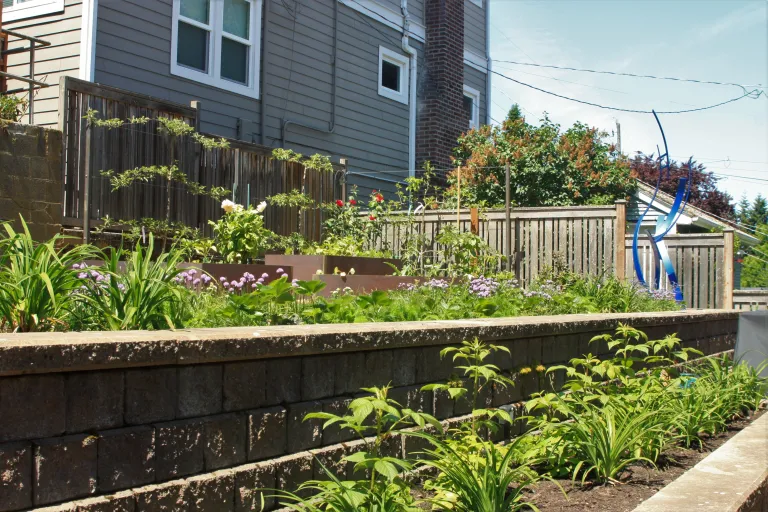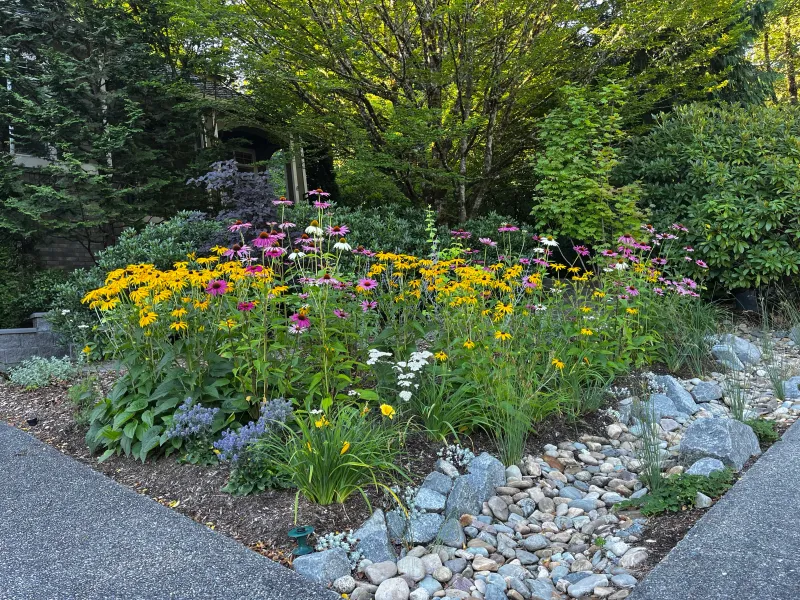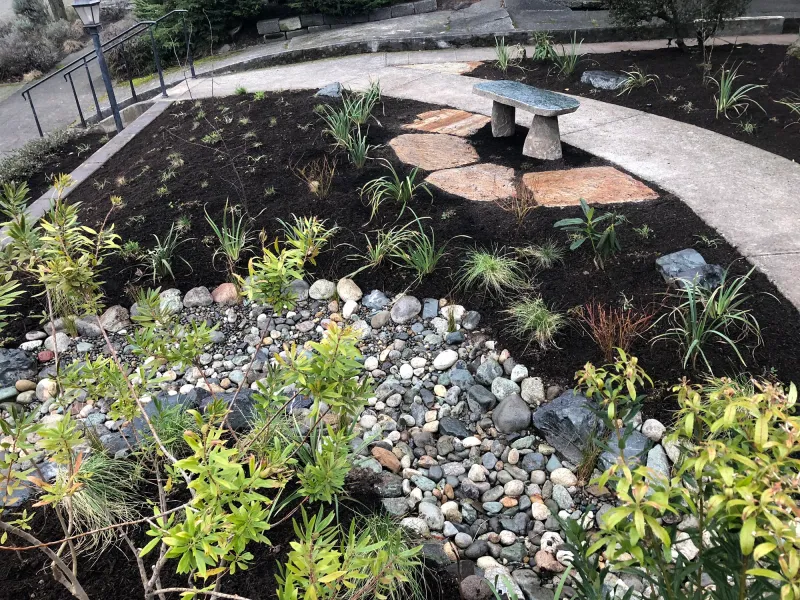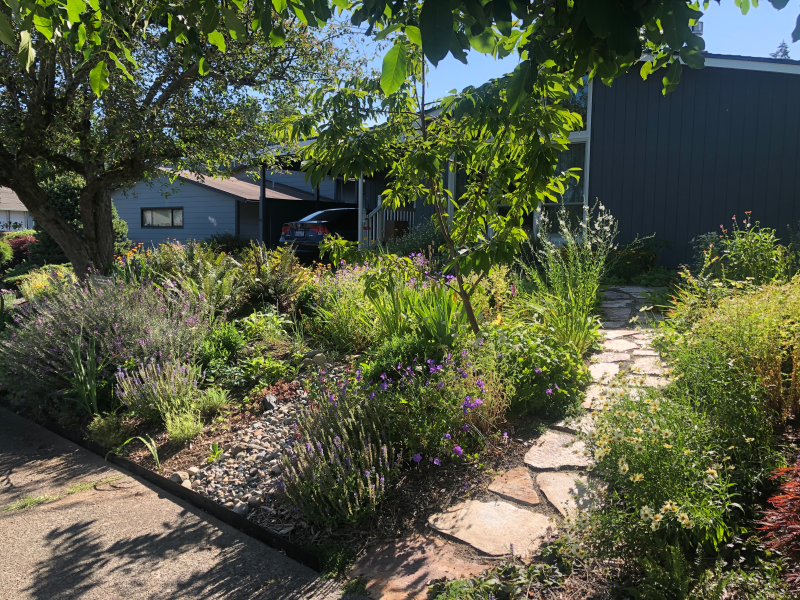
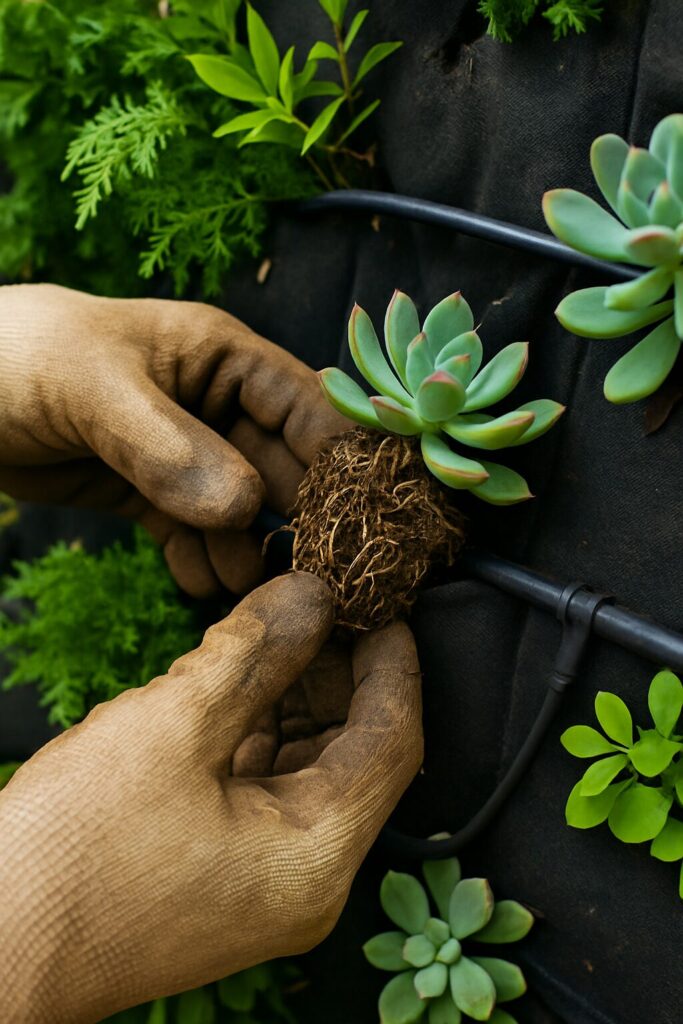
We partner with Seattle homeowners and businesses to craft living walls that transform blank surfaces into thriving ecosystems. We begin with microclimate mapping, identifying sun exposure, wind patterns, and humidity levels to choose plant palettes that flourish in the Pacific Northwest, blending native ferns, shade-loving succulents, and hardy evergreen vines. Our modular panel system uses a custom substrate blend of composted bark and coco coir for optimal moisture retention and root aeration, while sensor-driven drip irrigation and integrated water-recapture reservoirs cut water use by up to 40%. Every installation meets local building codes and sound insulation standards, ensuring your green wall is as safe and sustainable as it is beautiful. Beyond instant curb appeal, our vertical gardens improve indoor air quality, boost soundproofing, and enhance energy efficiency by adding a living layer of insulation to exterior walls. We offer tailored maintenance plans, seasonal pruning, nutrient management with plant-safe biofertilizers, and remote monitoring via waterproof sensors that alert us to moisture or pH shifts, so your garden stays vibrant year-round.
We offer both soil-based green walls and hydroponic living walls engineered for Seattle’s unique marine climate. For soil-based systems, we use a lightweight substrate blend of composted bark, coco coir, and perlite housed in geotextile pockets that attach to a corrosion-resistant steel frame. This structure supports root aeration and holds moisture without becoming waterlogged. Hydroponic living walls employ a closed-loop nutrient film technique (NFT), circulating a balanced, pH-adjusted solution through channels to deliver oxygen and nutrients directly to the roots. We select plant palettes of native sword ferns, salal (Gaultheria shallon), evergreen Boston ivy, and shade-tolerant succulents to ensure year-round vigor in low-light and high-humidity conditions.
Our integrated irrigation systems use smart sensors that monitor moisture, temperature, and nutrient levels, adjusting drip schedules to complement Seattle’s rainy seasons and dry summers. Water recapture reservoirs collect runoff, which is filtered and reused to reduce potable water consumption by up to 40%. Each installation is designed in collaboration with structural engineers to verify load-bearing capacity, and we secure all necessary permits through the Seattle Department of Construction and Inspections. To enhance acoustic insulation, we incorporate sound-absorbing backing materials that can reduce exterior noise transmission by up to 6 decibels, making living walls both aesthetic and functional.
Our self-watering planters are ideal for balconies, rooftops, and small patios where routine maintenance may be challenging. These modular towers and troughs contain an internal reservoir connected to the planting chamber via capillary wicks. The wicks draw water upward into the root zone as needed, and a transparent level indicator alerts you when the reservoir needs refilling. We line all planters with a breathable geotextile membrane to prevent root rot and promote healthy root expansion, while built-in rainwater inlets allow you to harness Seattle’s frequent precipitation for passive irrigation.
Constructed from recycled, BPA-free materials, our planters include overflow outlets to protect against flooding during heavy rains. For larger installations, we integrate a gravity-fed rain-harvesting system that channels rooftop runoff into the planter reservoirs. Maintenance is minimal: reservoirs typically need topping up only once every 7–10 days in warm months, and cleaning involves a simple rinse of the reservoir and wick. This combination of design elements ensures that your vertical garden remains lush with minimal time investment.
Edible vertical gardens bring fresh produce into urban spaces without sacrificing square footage. We design planting layouts that layer culinary herbs—such as basil, mint, and tarragon—with compact vegetables like lettuce, swiss chard, and cherry tomatoes. Our stackable troughs can be arranged in staggered rows, optimizing light exposure for each species. For hydroponic setups, we employ NFT channels combined with intermittent aeration to maintain high dissolved-oxygen levels, encouraging rapid, healthy growth.
To support long-term productivity, we use slow-release organic fertilizers encapsulated in biodegradable coatings, reducing nutrient leaching and runoff. Companion planting strategies—interspersing marigolds or nasturtiums—naturally deter common pests like aphids and whiteflies, cutting down chemical inputs. Harvest trays slide out for easy picking, and modular modules can be swapped seasonally to introduce cold-weather greens or summer-fruiting plants. Whether in a restaurant kitchen or a home balcony, our systems deliver fresh, home-grown flavors year-round.
Our design process starts with a thorough site assessment, including sun-path mapping, wind-flow analysis, and wall-surface evaluation. We measure substrate pH, electrical conductivity, and water-holding capacity to recommend the optimal growing medium for each project. After gathering these data points, we create detailed 3D renderings showing plant placement, irrigation layouts, and frame attachments. This allows clients to visualize the finished installation and request adjustments before construction begins.
Once the design is approved, we coordinate with licensed structural engineers to confirm that existing wall structures can support the additional live and saturated weight—typically 20–35 pounds per square foot. We secure all permits from the Seattle Department of Construction and Inspections, adhering to local building codes and ASLA guidelines. During installation, our certified technicians mount the frames, install geotextile planting panels or NFT channels, connect the irrigation manifold, and program the smart-control unit. A final walkthrough ensures that every sensor is calibrated and every plant is thriving before we hand over full operational control.
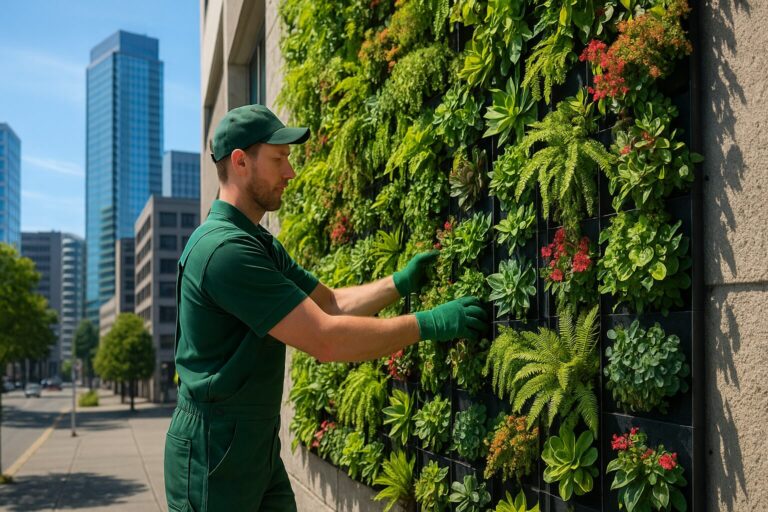
To preserve plant health and aesthetics, we offer tiered maintenance plans tailored to your site’s exposure and plant mix. Standard care includes seasonal pruning to manage growth, biweekly inspections for pests and disease, and quarterly substrate replacement to prevent compaction. We apply biofertilizer treatments enriched with beneficial microbes and mycorrhizal fungi to strengthen root networks and boost nutrient uptake. Our horticultural team performs pH and EC (electrical conductivity) audits to adjust fertilization and irrigation settings as needed.
For clients who prefer remote oversight, we provide a web-based dashboard that displays real-time data from moisture and nutrient sensors. Automated alerts notify us—and you—of any irrigation blockages, pH drift, or temperature fluctuations, enabling rapid corrective actions. On-site visits occur quarterly or as needed, and we offer an annual “renewal” service to replace aging panels, top up substrates, and refresh the plant palette. This ensures that your vertical garden remains robust, disease-free, and visually stunning year after year.
Sustainability drives our material and design choices. We source cedar and aluminum frames from local reclaimed wood suppliers and metal recyclers, reducing embodied carbon. Substrates are crafted from composted green waste diverted from landfills, and all planting media are certified free of peat for better preservation of natural habitats. Rainwater harvesting systems can be tied into existing roof catchments, while optional greywater treatment modules allow non-edible plantings to benefit from filtered household rinse water without risk.
Indoor installations often rely on energy-efficient, programmable LED grow lights calibrated to deliver red and blue spectra at ideal intensities for photosynthesis. These lights run on timers synced to local daylight hours, minimizing electricity use. As part of our continuous improvement ethos, we track the carbon sequestration rates of our living walls, averaging 0.15–0.20 pounds of CO₂ absorbed per square foot monthly and share these metrics with clients to quantify environmental impact. All waste plant trimmings are composted on-site or returned to our compost partners, closing the loop on green waste management.
We continually explore cutting-edge technologies to advance vertical gardening. AI-driven nutrient dosing systems analyze real-time plant inputs and adjust nutrient concentrations in hydroponic fluids, optimizing growth while minimizing fertilizer use. Biodegradable panel modules made from mycelium and agricultural byproducts are in pilot testing, offering end-of-life compostability. Modular “plug-and-grow” kits are designed for DIY enthusiasts, complete with pre-seeded plug trays that click into pre-assembled frames for instant greenery.
Community and commercial projects are increasingly integrating living walls with building management systems (BMS), using humidity and CO₂ sensors from green walls to modulate HVAC settings and improve energy efficiency. We collaborate with local universities on research into novel plant mixes that maximize photosynthetic efficiency under Seattle’s overcast skies. Pilot programs with public art installations combine vertical gardens with light-responsive moss mosaics, creating living murals that change color and pattern with daily sunlight shifts. These innovations are shaping a future where urban walls are not just decorative, but instrumental in building healthier, more resilient cities.
We deliver bespoke vertical garden solutions across Seattle, combining expert design, installation, and maintenance to bring living walls, green wall systems, and self-watering planter arrays to your home or business. After an on-site consultation, we assess your wall structure, light exposure, and irrigation options to recommend the ideal plant palette, whether that’s native ferns for shaded façades, drought-tolerant succulents for sunny balconies, or edible herb and vegetable modules for a kitchen garden. Our turn-key service includes structural framing, geotextile planting panels or hydroponic channels, smart irrigation setup, and ongoing care plans featuring seasonal pruning, substrate refreshes, and sensor-based monitoring. Email us at connect@rutheodesigns.com or call (360) 844-2989 to schedule your consultation.
Links