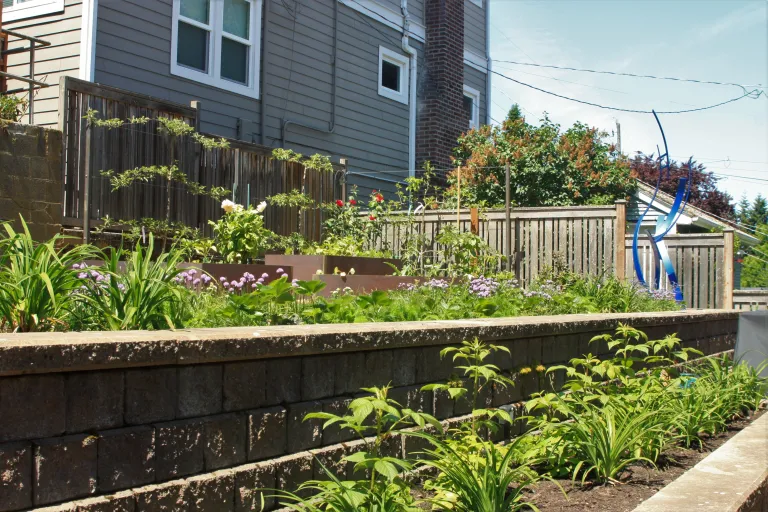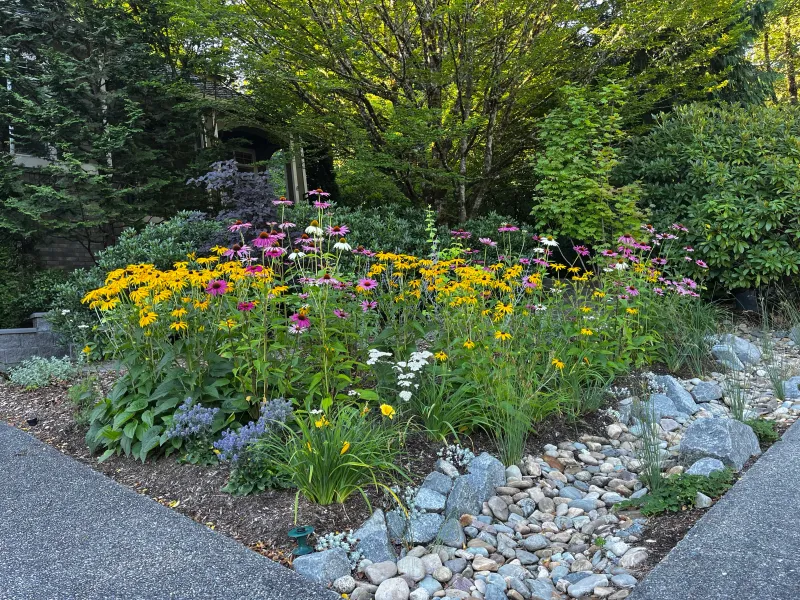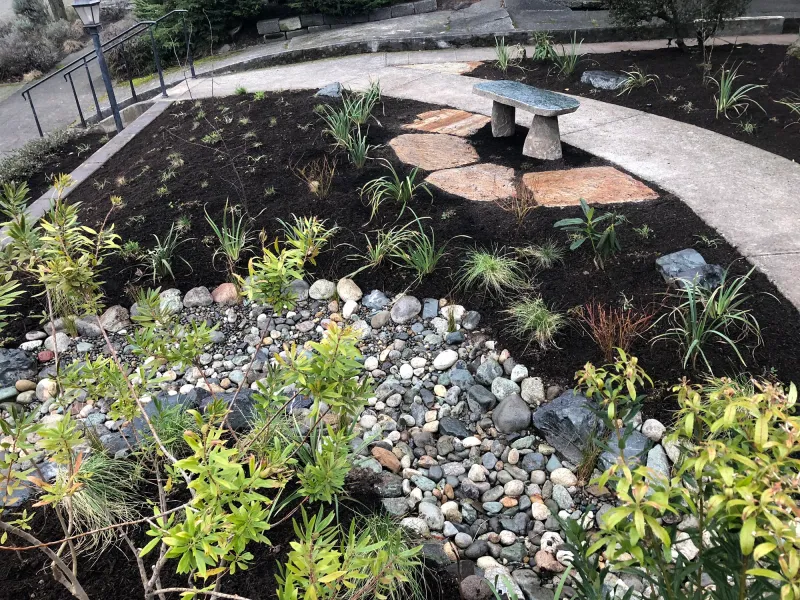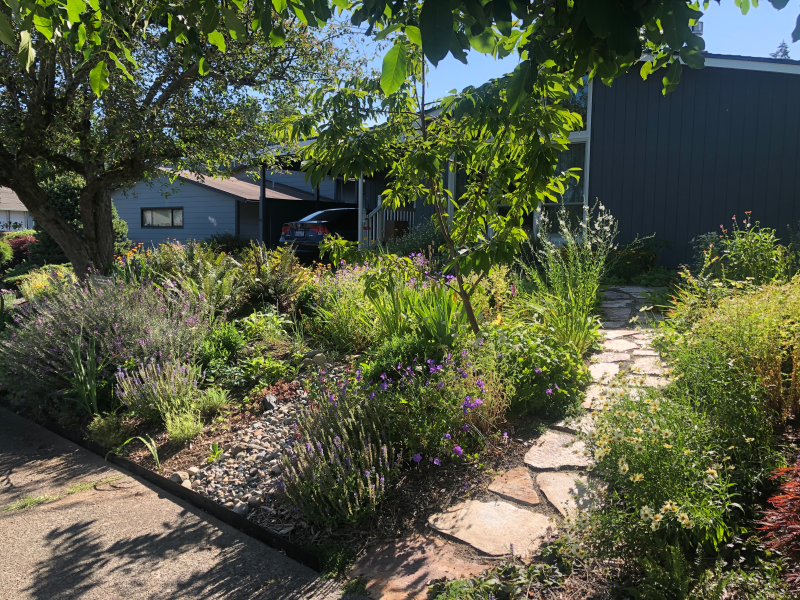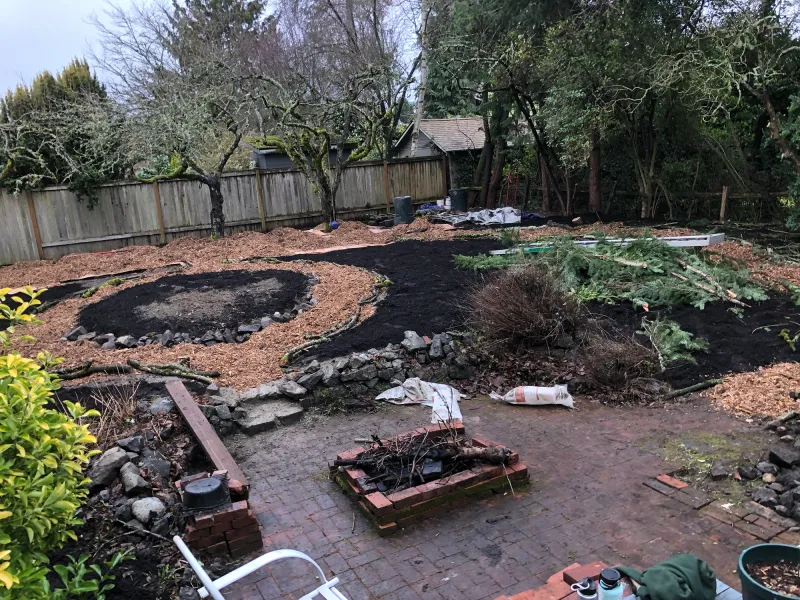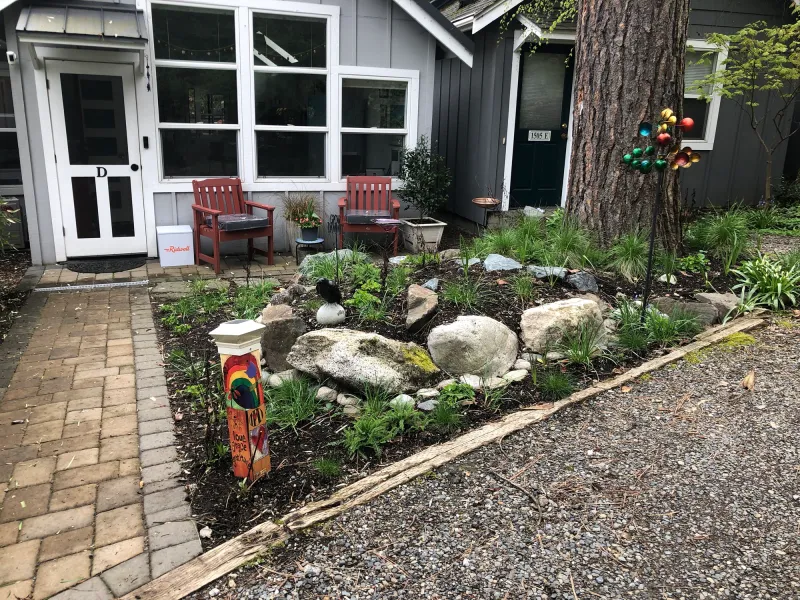
We believe that a garden should thrive effortlessly, balancing beauty with ecological responsibility. Our self-watering planter services in Seattle are designed to support sustainable landscapes that conserve water, reduce maintenance, and promote healthier plant growth. By integrating sub-irrigation systems and moisture-retentive materials, we help your plants receive consistent hydration from the roots up, ensuring they flourish through Seattle’s changing seasons. This system not only lessens the environmental footprint but also offers a modern solution for those who value lush greenery without the hassle of daily watering. We design and install self-watering planters that complement your outdoor or indoor spaces, perfect for urban patios, rooftop gardens, and home landscapes. Every project we create is customized to the local microclimate and your plant palette, blending smart irrigation with our eco-conscious design philosophy. Our team works closely with you to ensure that your garden isn’t just visually stunning but also deeply sustainable, giving life to a green space that practically takes care of itself.
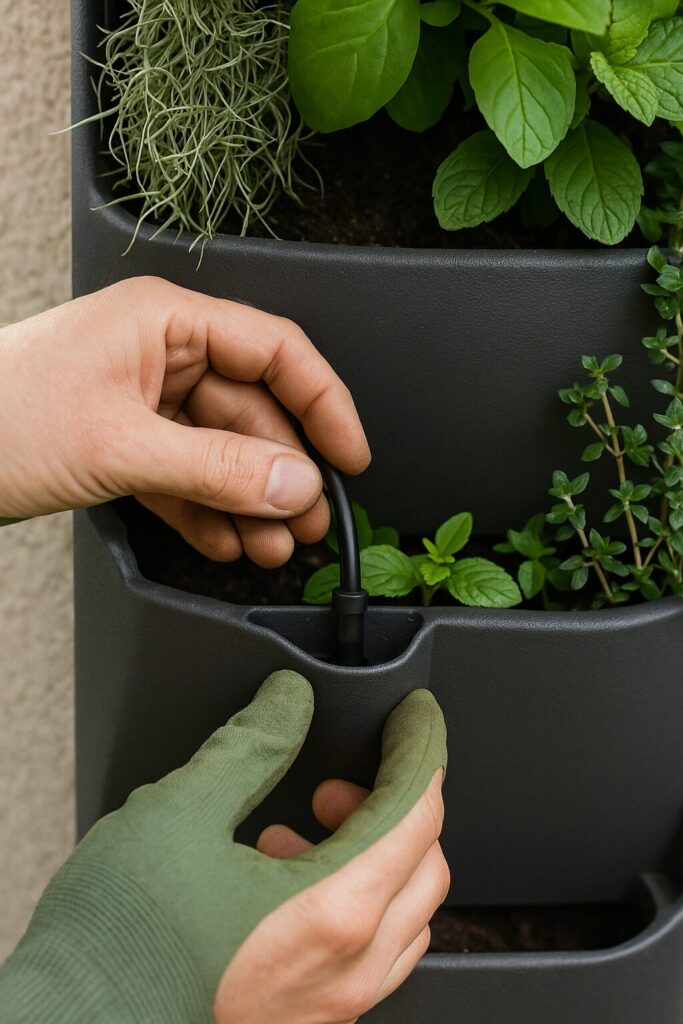
The engineering behind self-watering planters in vertical gardens revolves around moisture balance and controlled capillary movement. Within each planter module, a reservoir at the base collects and holds water that is slowly wicked into the growing medium as the soil begins to dry. This ensures consistent hydration without waterlogging. The structure’s drainage and aeration layers allow oxygen to reach roots, preventing rot and nutrient imbalance. For vertical gardens, these mechanisms are especially important because water tends to move quickly downward due to gravity, leaving top layers dry. A self-watering design counteracts this by evenly redistributing moisture throughout the system, maintaining uniform plant vitality. Over time, this creates a self-regulating ecosystem, ideal for plant species with moderate to high moisture needs such as ferns, ivy, and philodendrons.
Seattle’s sustainability-driven community increasingly values garden systems that align with environmental responsibility, and self-watering vertical gardens exemplify this ethic. They minimize water waste by reusing excess runoff, which is collected and recycled through the reservoir. This efficiency can reduce overall water use by up to 50% compared to traditional watering methods. Additionally, the consistent moisture level reduces plant stress, allowing for slower, healthier growth that requires fewer fertilizers and chemical amendments. By minimizing manual watering and promoting natural hydration cycles, these systems reduce human error and conserve one of Seattle’s most precious resources like fresh water. When scaled across residential or commercial settings, self-watering vertical gardens can contribute to city-wide water efficiency goals and lower irrigation demands during dry summer months.
Our design philosophy centers on creating self-watering vertical gardens that are both functional and visually compelling. The modular systems we use can be adapted to a variety of structures, ranging from living walls on high-rise balconies to freestanding garden partitions in courtyards or office spaces. Each system is tailored to light exposure, airflow, and plant selection, ensuring long-term sustainability with minimal upkeep. For Seattle’s urban landscapes, vertical gardens with self-watering systems are an elegant solution for limited ground space, offering insulation benefits and air-purifying effects while doubling as natural art pieces. Indoors, they provide humidity regulation and an organic focal point that complements biophilic design principles, connecting people more deeply with nature in built environments.
Successful self-watering vertical gardens depend on pairing the right plant species with appropriate growing media. We focus on plants with adaptable root systems that thrive in consistent yet aerated moisture conditions. Substrate selection is critical—lightweight soil mixes enriched with perlite, coir, or vermiculite support capillary movement and aeration, preventing compaction over time. For vertical applications, we often use specialized felt or foam growing panels that integrate seamlessly with the self-watering system. These materials hold moisture while allowing roots to breathe. The microclimate of Seattle, characterized by cool humidity and moderate sunlight, supports plant varieties like maidenhair fern, spider plant, and Boston ivy, all of which respond well to subirrigation. Properly balancing plant physiology with irrigation design ensures that the system remains self-sustaining and low-maintenance.
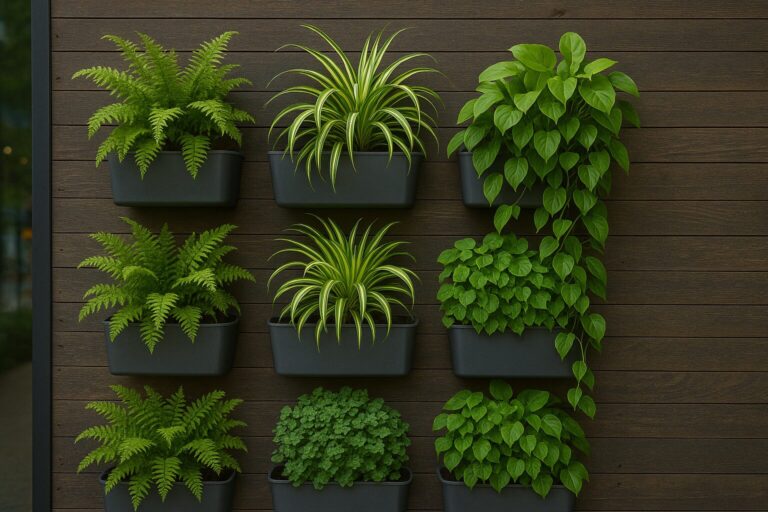
The ecological impact of self-watering vertical gardens extends beyond plant care. They provide thermal insulation for walls, reducing indoor energy consumption and mitigating urban heat island effects. The dense plant coverage also improves air quality by filtering particulate matter and producing oxygen. Visually, these living walls transform dull facades into vibrant, textured canvases, enhancing property value and community appeal. When integrated into eco-conscious architecture, they symbolize a commitment to sustainability while delivering tangible environmental benefits. The self-watering feature ensures that these gardens remain lush and resilient year-round, maintaining their aesthetic integrity without demanding intensive upkeep.
As technology continues to advance, vertical garden irrigation systems are evolving toward automation and smart water management. Innovations like moisture sensors, automated refill systems, and solar-powered pumps now allow self-watering planters to function autonomously, adjusting watering schedules based on weather and plant needs. For Seattle, where rainfall varies seasonally, this adaptability ensures precise water use and sustained plant vitality. Future iterations of self-watering vertical gardens will likely integrate data-driven controls that align with sustainable building certifications such as LEED, reflecting a broader movement toward regenerative landscape design.
Self-watering vertical gardens represent a shift toward intelligent, eco-efficient living. They harmonize aesthetics, technology, and ecology, offering a pathway for greener cities and healthier indoor spaces. Through thoughtful design and sustainable materials, these systems redefine what it means to cultivate nature in an urban environment. As interest in green walls and smart irrigation continues to rise, self-watering planters stand at the intersection of innovation and conservation, shaping the future of water-wise gardening across Seattle and beyond.
Whether you’re looking to convert an existing wall into a living green feature or need guidance on building a new self-watering garden system, our experts are ready to assist. Email us at connect@rutheodesigns.com or call (360) 844-2989 to schedule a consultation. We’ll evaluate your site’s structure, sunlight exposure, and water needs to craft a system that keeps your plants healthy year-round while conserving resources. Let us help you bring nature closer with self-watering planters designed for Seattle’s unique climate—sustainable, efficient, and beautifully green.
Links