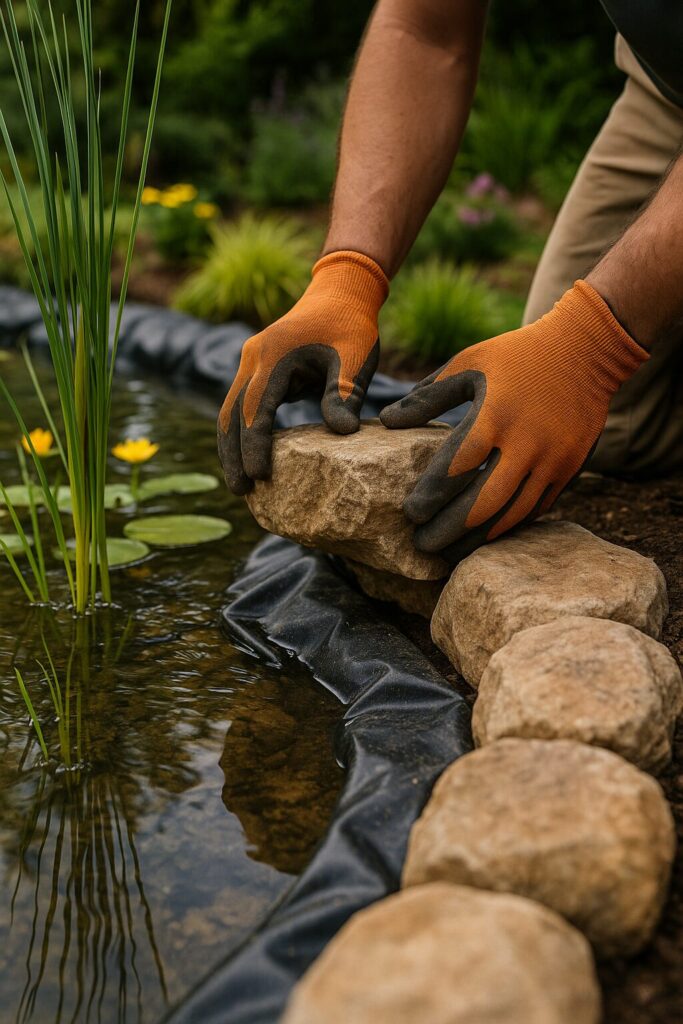
Our wildlife pond creation services are tailored to Seattle’s climate and ecology, blending function and beauty into one serene, living feature. Whether you’re working with a shady corner of your yard or a full-sun clearing, we design ponds that offer year-round habitat for frogs, birds, dragonflies, and beneficial aquatic insects, all while adding visual depth and a dynamic water element to your garden. Each pond is thoughtfully placed to support native vegetation, using locally sourced stone and plantings that filter runoff naturally and prevent algae buildup, helping your landscape sustain itself with minimal intervention. Our team works closely with clients to design wildlife ponds that align with larger ecological goals, whether you’re restoring a pollinator corridor, enhancing a rain garden, or simply creating a more self-sufficient backyard ecosystem. We avoid sterile liners and geometric layouts in favor of soft, natural pond edges and layered plant communities that mimic how wetlands work in the wild.
We design wildlife ponds as functional, self-sustaining habitats, not as decorative water features. These ponds offer critical habitat in urban and suburban gardens, especially in ecologically fragmented areas like Seattle. Amphibians such as Pacific tree frogs and long-toed salamanders rely on shallow, fish-free water to breed. Birds are drawn to the clean, consistent water supply for drinking and bathing, while dragonflies and beneficial insects use pond edges for perching and egg-laying. To support this, we create natural contouring with layered pond basins, shallow marginal zones, sloping access points, and deeper central areas that allow varied ecological functions to co-exist within one system.
We prioritize the use of Pacific Northwest native aquatic plants and buffer vegetation. Native sedges, rushes, marsh marigold, and tufted hairgrass help filter runoff, stabilize pond edges, and attract pollinators. Floating plants such as duckweed offer shade and help reduce algae by limiting nutrient access. We deliberately avoid non-native ornamentals and invasive species that may look attractive but ultimately disrupt the local ecological balance. Every design choice, from placement and depth to plant structure is made with long-term habitat health in mind, ensuring that our ponds benefit both the wildlife and the surrounding landscape over time.
Maintaining a stable, healthy aquatic environment is central to our approach. We design each pond to be self-regulating, using natural filtration methods rather than artificial pumps or chemicals. Plants like hornwort and water crowfoot help oxygenate the water and absorb excess nutrients, reducing algae naturally. Marginal vegetation serves as both filtration and protection for smaller species like amphibian tadpoles and aquatic insects. To prevent stagnation, we often integrate passive overflow zones or rain-fed channels that gently move water through the system without the need for mechanical intervention.
Mosquito control is also naturally embedded into the pond’s ecology. When ponds are well-oxygenated and biologically diverse, they attract mosquito predators like damselflies, backswimmers, and even certain bird species. We avoid the use of mosquito dunks or chlorine-based treatments, which harm the broader aquatic food web. The positioning of logs, rock piles, and leaf litter provides microhabitats and basking zones that mimic the complexity of natural wetlands. This kind of attention to detail is what ensures a pond becomes a haven rather than a hazard for wildlife and for people.
One of the most overlooked aspects of wildlife pond creation is planning for the changing seasons. Our ponds are designed to remain ecologically functional throughout the year. In early spring, ephemeral bloomers like marsh marigold attract pollinators just emerging from winter dormancy. As the season progresses, taller emergents and flowering perennials create vertical interest and habitat diversity, supporting butterflies, bees, and damselflies. In summer, deeper water pockets stay cool for amphibians and aquatic insects. As fall approaches, seed heads from plants like rushes and iris provide forage for birds and visual texture in the garden.
Even in winter, wildlife ponds continue to offer shelter and support. Submerged plant roots offer hiding spots for overwintering insects, while leaf litter along the edges supports invertebrates critical to the food chain. Instead of draining ponds or clearing all debris in fall, we recommend a light touch, allowing natural materials to cycle through the ecosystem. Seattle’s relatively mild winters make it possible for these ponds to retain a surprising level of biological activity, which is especially important for non-migratory birds and overwintering amphibians.
Wildlife ponds work best when integrated into the larger ecological design of a garden. At Rutheo Designs, we rarely treat a pond as an isolated feature. Instead, we plan for pond edges to merge into native plant borders, edible hedgerows, or low-impact lawn alternatives like microclover and native grasses. This intentional design increases habitat connectivity, allowing creatures to move between water, cover, and feeding areas without interruption. For clients already maintaining pollinator gardens or rain gardens, wildlife ponds are a perfect complement, adding water to the key “food, shelter, water” triad essential for habitat gardening.
We also consider how wildlife ponds interact with human spaces. Well-positioned boulders or cedar benches can encourage peaceful observation without disturbing resident species. Screened views or partial plant buffers allow for privacy while also giving frogs and birds a sense of safety. In shared family gardens, we introduce gently sloped access points with gravel or stepping stones to allow safe viewing, play, or interaction with the pond without disrupting its ecological function. The result is a garden that supports both life and lifestyle, where every element, from a sedge clump to a stone seat, plays a role.
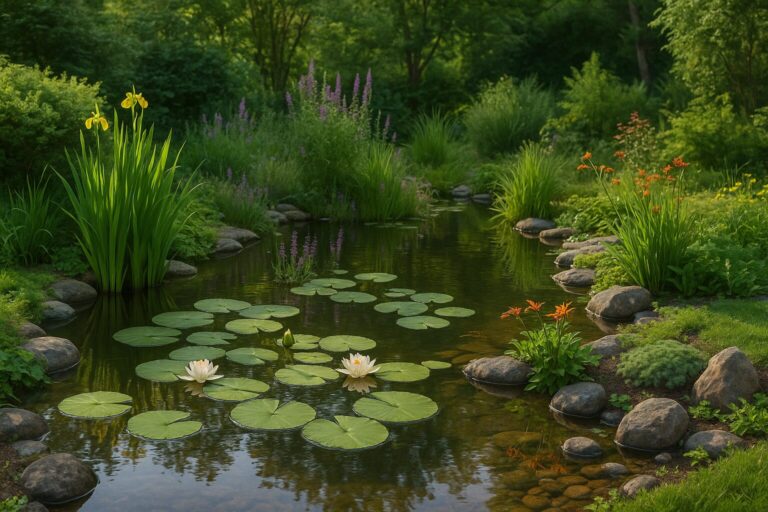
Once established, wildlife ponds can become some of the most self-sufficient elements of a sustainable garden. By using native plant communities that are already adapted to Seattle’s rainfall patterns and seasonal shifts, the need for irrigation, fertilization, or replacement is reduced dramatically. In fact, some of our best-performing ponds require only occasional thinning of fast-growing plants or clearing of windblown debris once a year. This low-intervention model allows natural ecological cycles like decomposition, pollination, and insect emergence to take center stage without constant input.
We also build our ponds to adapt to climate extremes. With drought becoming more common, we design ponds with shaded edges and deep-rooted plants that can tolerate periodic drydowns. In periods of heavy rainfall, overflow systems redirect water to other permeable zones or planted swales, preventing flooding or erosion. This kind of flexibility makes ponds resilient, not just beautiful. Over time, the pond’s performance improves as beneficial microbes establish, soil systems balance, and wildlife populations become self-sustaining. When designed with ecological insight, a pond doesn’t just survive, it thrives.
A well-designed wildlife pond brings more than beauty to a garden; it adds movement, sound, light, and life. It becomes a gathering point for creatures and people alike, a place where hummingbirds sip from sedges, and frogs sing into the evening. The ripple of water, the dart of a damselfly, or the seasonal bloom of marsh iris remind us that gardens are not static displays. They are living systems. In creating ponds that work with nature rather than against it, we invite abundance, resilience, and connection into everyday spaces.
Creating a thriving wildlife habitat garden requires more than planting a few native species, it takes careful planning, ecological awareness, and long-term vision. At Rutheo Designs, we offer one-on-one coaching to help you turn your outdoor space into a dynamic sanctuary for birds, pollinators, amphibians, and beneficial insects. Our personalized sessions guide you through designing layered habitats, selecting wildlife-friendly plants, and managing your space without synthetic chemicals. We focus on building systems that work in harmony with Seattle’s natural climate, supporting biodiversity while remaining low-maintenance and visually rich. Email us at connect@rutheodesigns.com or call (360) 844-2989.
We use cookies to improve your experience on our site. By using our site, you consent to cookies.
Manage your cookie preferences below:
Essential cookies enable basic functions and are necessary for the proper function of the website.
Google Tag Manager simplifies the management of marketing tags on your website without code changes.
Statistics cookies collect information anonymously. This information helps us understand how visitors use our website.
Google Analytics is a powerful tool that tracks and analyzes website traffic for informed marketing decisions.
Service URL: policies.google.com (opens in a new window)
Google reCAPTCHA helps protect websites from spam and abuse by verifying user interactions through challenges.
Marketing cookies are used to follow visitors to websites. The intention is to show ads that are relevant and engaging to the individual user.
Facebook Pixel is a web analytics service that tracks and reports website traffic.
Service URL: www.facebook.com (opens in a new window)
You can find more information in our Cookie Policy and Privacy Policy.