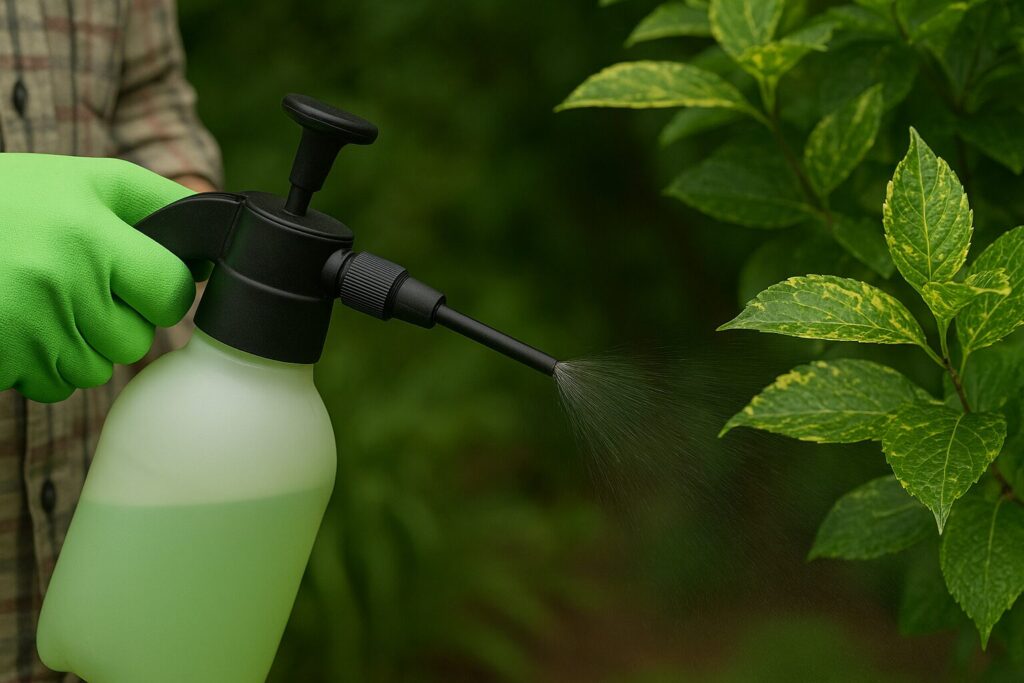
Our organic pest and disease control services are tailored for Seattle’s diverse microclimates, with an emphasis on long-term resilience. Rather than relying on synthetic treatments that disrupt soil biology and beneficial insect activity, we use methods that work with natural systems: companion planting, beneficial insect release, targeted compost teas, and mineral-based treatments like sulfur or neem where appropriate. Our team constantly monitors the early signs of imbalance, such as fungal pressure from excess moisture or aphid population booms, to step in with gentle, ecologically sound interventions. We bring a steward’s mindset to every landscape we care for. Whether you’re growing an edible garden, a pollinator meadow, or a mixed native and ornamental design, we assess your planting structure, soil health, and surrounding biodiversity before recommending any organic solution.
Diversity within the plant palette is more than aesthetic; it’s a tool for pest management. Our designs avoid monocultures, which tend to attract outbreaks of species-specific pests. Instead, we plant layered communities of native perennials, flowering herbs, and resilient ornamentals that work in harmony to regulate insect populations. A garden filled with various shapes, textures, and bloom times becomes far less attractive to pests seeking a concentrated food source and far more attractive to natural predators.
We incorporate companion planting strategies, such as surrounding vegetable beds with calendula or sweet alyssum, both of which attract lacewings and hoverflies—key predators of aphids and thrips. Herbs like thyme, basil, and dill serve dual purposes, deterring some insects with their scent while also providing nectar and pollen to sustain beneficial insects. These design choices are intentional. A rosemary hedge might not only define a path, but also suppress fungal spores with its natural oils. Every plant has a role, not just in the visual story of a garden but in the ecological function of pest suppression
When early signs of pest presence do appear, such as leaf curling, stippling, or frass, we don’t jump straight to treatments. Instead, we follow IPM protocols: observe, identify, evaluate, and act only when thresholds are reached. This method helps avoid unnecessary intervention while preserving beneficial species that are part of the solution. Many pest insects, like aphids or cabbage worms, have natural enemies that can be encouraged to control populations without outside inputs.
When intervention is necessary, we use targeted, low-toxicity treatments derived from natural sources. Products like neem oil, pyrethrin (from chrysanthemum flowers), or Bacillus thuringiensis (Bt) offer precise control with minimal collateral damage. These are not broad-spectrum sprays but specific tools, applied at certain times of day and only to the affected areas to reduce risk to pollinators. We also integrate biological agents—such as beneficial nematodes for grubs and root weevils, or predatory mites in greenhouses and shaded zones—to keep populations in check naturally. All treatments are chosen with Seattle’s climate, plant types, and seasonal timing in mind, ensuring effective but low-impact results.
Designing a landscape for pest prevention starts at the drawing board. Our planting plans prioritize species that are well-suited to Seattle’s variable conditions, including its long wet springs and dense shade patterns. By aligning plant selection with environmental realities—such as moisture levels, sun exposure, and air flow—we reduce plant stress, which is often the underlying cause of susceptibility to both pests and diseases.
We also implement design strategies that reduce pest harborage. Proper spacing between plants allows for air circulation, reducing the risk of powdery mildew and fungal spores. For slug-prone areas, we use raised beds, crushed mineral barriers, or drought-tolerant groundcovers that dry quickly after rain. Even structural features like dry creek beds or gravel walkways serve dual purposes, enhancing drainage while limiting pest mobility. Maintenance plays a role too: pruning for airflow, removing diseased foliage, and adjusting irrigation prevent overwatering and the conditions that attract pests.
Seattle’s climate offers unique challenges, with periods of high humidity, slow-draining soils, and mild winters that allow some pests to overwinter. Our approach adapts with the rhythms of this ecosystem. Rather than using the same methods year-round, we adjust our techniques according to seasonal threats. For example, fungal diseases often peak in spring due to moisture accumulation, so we emphasize foliage monitoring and preventive spraying with sulfur-based treatments or compost teas before symptoms become visible.
Summer heat can increase spider mite populations in dry, dusty conditions, so we increase foliar misting and install water features that elevate humidity and attract predators like dragonflies. In autumn, we focus on leaf clean-up and disease sanitation, especially for plants like roses or fruit trees, which can harbor fungal spores over winter. Pest management isn’t static—it’s a moving target that responds to the weather, plant cycle, and even broader climate trends. By adjusting with the seasons, we stay ahead of outbreaks and maintain healthier landscapes all year long.
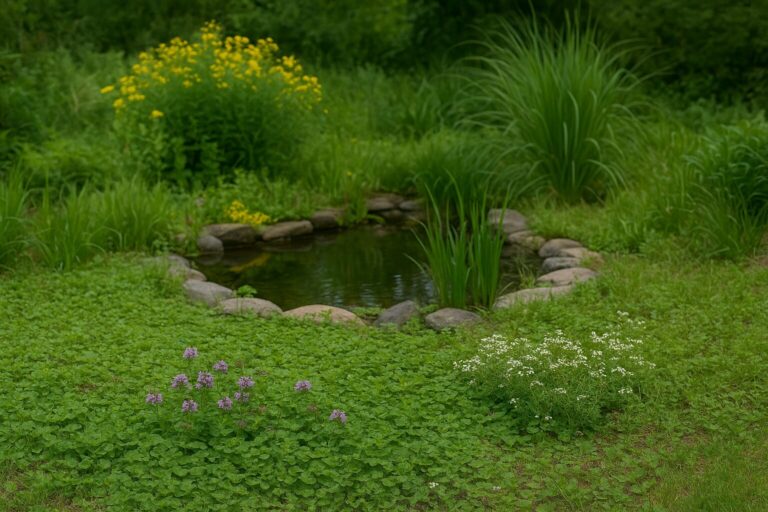
Soil is more than a substrate; it’s the life support system of the landscape. At Rutheo Designs, we prioritize soil health as the foundation of disease prevention. A vibrant soil ecosystem includes a mix of bacteria, fungi, protozoa, and nematodes, many of which compete with or consume harmful organisms. When this balance is disrupted—due to compaction, chemical use, or poor drainage, plants become more vulnerable to root rot, wilt, and other diseases.
We analyze each garden’s soil before planting and use the results to determine needed amendments. In some cases, we apply compost teas, rich in microbial life, to inoculate soils and outcompete pathogens. In others, we may amend with biochar to improve water retention and microbial colonization. When a bed has suffered persistent fungal issues, we may recommend biosolarization: a technique where compost is incorporated and beds are covered with clear plastic during sunny periods. This raises the temperature just enough to kill pathogens, while still fostering the beneficial microbes that recover quickly once uncovered.
Beyond the standard organic toolkit, we apply regenerative techniques adapted to urban gardens. One example is trap cropping, where we plant a highly attractive host (such as nasturtiums or chervil) near edibles to lure pests like aphids and flea beetles away. We then either remove or treat the trap crop to break the pest cycle. This is especially helpful in tight urban plots where space is limited and protection zones are narrow.
We also design for functional flowering cycles layering perennials and shrubs to bloom successively through the seasons. This provides a consistent nectar source for predatory insects and keeps them active in the garden. Another technique we’ve refined is aromatic layering: planting strong-scented herbs at the base of susceptible crops to disrupt pest navigation. Thyme, oregano, and lavender can help shield tomatoes, cucumbers, and brassicas from moths and beetles that rely on scent cues.
Organic pest and disease control isn’t about eliminating problems completely—it’s about creating a resilient garden system where small populations don’t spiral into major issues. By building ecological checks and balances into the design, maintenance, and seasonal rhythm of a garden, we reduce dependence on inputs and help nature do the work. Each intervention is measured, deliberate, and based on careful observation not a reactive schedule or calendar spray plan.
This long-view strategy pays off: reduced chemical exposure, safer habitats for pollinators and pets, and gardens that become more self-sufficient over time. Pest and disease pressure will always be part of the landscape, but with the right balance of biodiversity, soil health, and smart maintenance, those pressures remain manageable. Our methods prioritize prevention
Effective organic pest and disease control begins with understanding the living systems in your garden and that’s exactly where our expertise comes in. At Rutheo Designs, we offer site-specific consultations focused on diagnosing and addressing pest and disease challenges using regenerative, ecologically sound methods. Whether you’re struggling with fungal outbreaks in shady corners, recurring aphid infestations, or root stress from compacted soils, we’ll help identify the underlying causes and build a plan grounded in sustainable solutions. From beneficial insect integration to soil microbiome restoration, our coaching sessions are tailored to your garden’s unique microclimate and plant community. Email us at connect@rutheodesigns.com or call (360) 844-2989. We’re here to help you maintain vibrant, pest-resilient landscapes without compromising pollinators, wildlife, or soil health.
We use cookies to improve your experience on our site. By using our site, you consent to cookies.
Manage your cookie preferences below:
Essential cookies enable basic functions and are necessary for the proper function of the website.
Google Tag Manager simplifies the management of marketing tags on your website without code changes.
Statistics cookies collect information anonymously. This information helps us understand how visitors use our website.
Google Analytics is a powerful tool that tracks and analyzes website traffic for informed marketing decisions.
Service URL: policies.google.com (opens in a new window)
Google reCAPTCHA helps protect websites from spam and abuse by verifying user interactions through challenges.
Marketing cookies are used to follow visitors to websites. The intention is to show ads that are relevant and engaging to the individual user.
Facebook Pixel is a web analytics service that tracks and reports website traffic.
Service URL: www.facebook.com (opens in a new window)
You can find more information in our Cookie Policy and Privacy Policy.