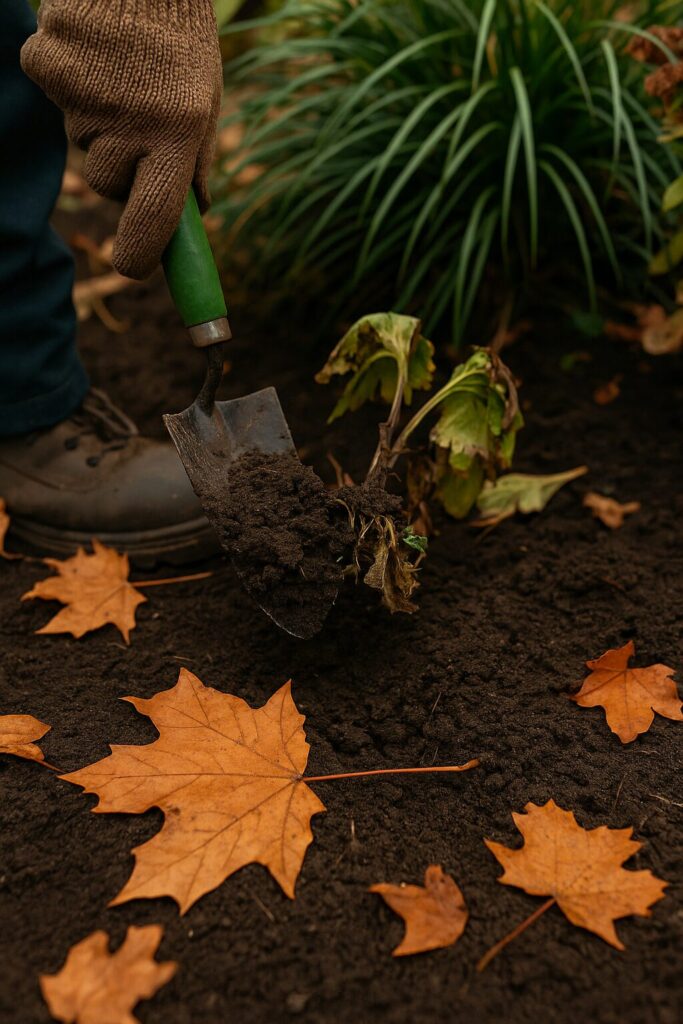
We believe every landscape should work with Seattle’s natural rhythms, not against them. That’s why our approach to permeable paver installations blends stormwater-conscious design with the artistry of outdoor living. We use materials that allow rainfall to percolate naturally into the soil, replenishing groundwater and preventing runoff that can overwhelm local ecosystems. By pairing these pavers with thoughtfully layered substrate systems and plant-friendly drainage patterns, we help homeowners create outdoor spaces that stay functional, beautiful, and ecologically balanced year-round. Our team pays special attention to microclimates and soil biology, ensuring that your paved areas support the larger health of your garden rather than disrupt it. When we design permeable paver systems, our goal is to make them feel like a seamless extension of the landscape, never an afterthought. Whether we’re building a garden path bordered by shade-tolerant groundcovers or a driveway engineered to support heavy loads without compacting surrounding root zones, we shape each installation to enhance both aesthetics and sustainability.
The performance of permeable pavers depends on how each layer beneath the surface interacts with rainfall. A typical installation includes the paver surface, a joint material made of washed aggregate, and a subbase designed to store and slowly release water into surrounding soils. In a rain-heavy setting like Seattle, this layered system helps prevent flooding and soil erosion. The void spaces within the aggregates improve infiltration, while the load-bearing subbase stabilizes the ground during the region’s wettest periods. This structure is especially helpful in gardens with slopes or irregular grading, where runoff might otherwise flow toward planting beds and disrupt their nutrient balance.
Permeable pavers also encourage biological activity within the soil. As water moves downward through the aggregate layers, it creates a moisture pattern that supports soil microorganisms responsible for nutrient cycling. These organisms break down organic matter, improve soil structure, and increase the availability of nutrients to nearby plant roots. By helping to maintain a healthier soil ecosystem, permeable pavers indirectly promote stronger growth for ferns, native grasses, drought-tolerant species, and ornamental shrubs that respond well to oxygenated soils.
One of the advantages of using permeable pavers in a garden setting is the reduced risk of soil compaction. Compaction limits the movement of air and water through the soil, which weakens root systems and reduces the capacity for plants to establish. Because permeable systems distribute weight across a more open substrate, they preserve the delicate soil structure that supports successful planting. This is especially useful near root-sensitive species such as vine maples, rhododendrons, and woodland perennials that prefer stable moisture but cannot tolerate disturbed soil.
Another factor that benefits plantings is the way permeable pavers moderate temperature around the garden. Traditional paving absorbs heat, which can raise temperatures in surrounding soil and dry out nearby vegetation. Permeable surfaces reflect less heat because of the air gaps within the paving joints and aggregates. This creates a cooler microclimate, promoting better hydration and reducing stress during Seattle’s increasingly warm summers. The moderation of temperature also supports the survival of moisture-loving groundcovers such as mosses, hellebores, and evergreen perennials commonly found in Pacific Northwest gardens.
In our design work, we focus on integrating permeable pavers with the surrounding plant palette and overall site composition. Because these systems come in many shapes, textures, and finishes, they can suit a range of architectural styles, from contemporary outdoor living areas to rustic woodland paths. The material selection also influences how light and shadow move through the garden, which affects plant visibility and the overall sense of scale. Color choices can help guide the eye across different garden zones. Lighter tones brighten shaded areas where understory plants dominate, while deeper tones pair well with evergreen borders. Joint widths and aggregate color can subtly coordinate with bark mulch, stone accents, or native meadow plantings. These choices ensure the paved areas feel cohesive with the rest of the garden rather than separate or visually heavy.
Permeable pavers contribute to long-term ecological health by reducing pressure on municipal water systems and lowering the likelihood of pollutants washing into local waterways. As water filters through the substrate, sediment and contaminants become trapped within the aggregates instead of entering storm drains. This natural filtration supports regional goals for cleaner water and healthier aquatic habitats. The reduction in runoff also benefits the stability of slopes, retaining walls, and terraced garden beds. Excess water can destabilize soil on steep sites, but permeable pavers minimize sudden runoff and allow water to enter the ground gradually. This supports the deep-rooted species often used for slope stabilization, helping them anchor the soil more effectively over time.
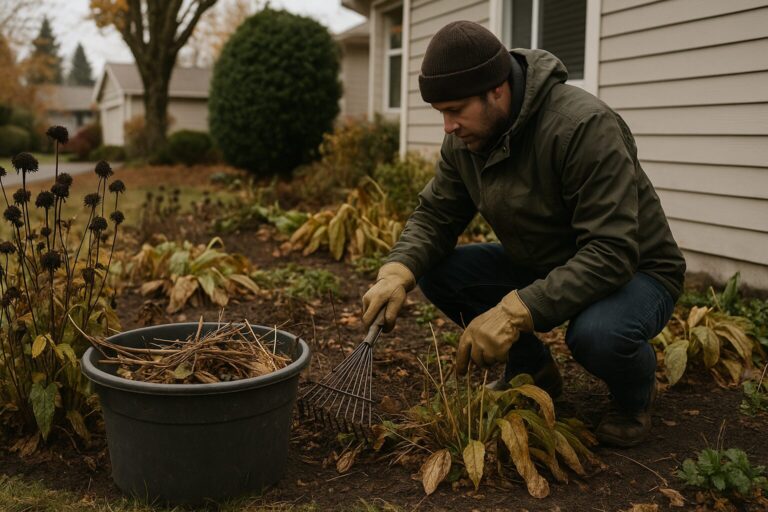
Maintaining permeable pavers involves simple, predictable care that helps preserve their infiltration capacity. Because the system relies on open joints and clean aggregate, the main task is removing organic debris before it settles into the surface. Light sweeping, occasional rinsing, and gentle vacuuming when necessary keep the void spaces open so rainfall can continue to pass through efficiently. In Seattle’s climate, where trees shed needles, leaves, and catkins throughout the year, periodic attention prevents buildup that might restrict drainage. The underlying layers rarely require disturbance once installed, since the system is designed to remain stable while supporting microbial activity and soil health below. This makes permeable pavers a low-maintenance solution that aligns with long-term ecological planning.
Selecting the right paver materials plays an important role in how effectively the system performs across the seasons. In our work, we look at factors such as nearby vegetation, irrigation patterns, and the presence of shade or sun exposure to determine what type of paver will blend harmoniously with the surrounding garden. Textured surfaces provide better traction in winter, while modular shapes help create natural transitions between planted areas. For properties near saltwater or high-moisture zones, we choose materials that resist surface weathering while maintaining permeability. Matching the paver style to the site ensures that the paved areas function as part of the larger ecological design, supporting both drainage and visual cohesion within the landscape.
As Seattle continues to experience wet winters and warmer, drier summers, permeable pavers offer a reliable way to manage water while supporting garden health. Their ability to balance structure, infiltration, and soil biology makes them a strong choice for landscapes that need durability without compromising environmental quality. Homeowners seeking long-term sustainability often find that permeable pavers add both function and design value, creating outdoor spaces that adapt well to changing climate patterns while improving the performance of the garden as a whole.
If you are exploring permeable pavers as part of a sustainable landscape upgrade, we provide guidance and design insight to help you choose the right system for your property. Our team can walk you through site conditions, soil considerations, ecological impacts, and layout possibilities so you understand how permeable paving can support long-term drainage, plant health, and overall garden resilience. During an initial consultation, we evaluate your site’s hydrology, microclimates, and surrounding vegetation to determine the best approach for integrating permeable surfaces into your outdoor environment. Whether you’re planning a driveway, courtyard, pathway, or a garden transition area, we create solutions that enhance both functionality and aesthetics while supporting natural water movement. Email us at connect@rutheodesigns.com or call (360) 844-2989. We’re here to help with questions about material selection, infiltration performance, layout design, or how permeable paving can fit into your wider landscape vision.
We use cookies to improve your experience on our site. By using our site, you consent to cookies.
Manage your cookie preferences below:
Essential cookies enable basic functions and are necessary for the proper function of the website.
Google Tag Manager simplifies the management of marketing tags on your website without code changes.
Statistics cookies collect information anonymously. This information helps us understand how visitors use our website.
Google Analytics is a powerful tool that tracks and analyzes website traffic for informed marketing decisions.
Service URL: policies.google.com (opens in a new window)
Google reCAPTCHA helps protect websites from spam and abuse by verifying user interactions through challenges.
Marketing cookies are used to follow visitors to websites. The intention is to show ads that are relevant and engaging to the individual user.
Facebook Pixel is a web analytics service that tracks and reports website traffic.
Service URL: www.facebook.com (opens in a new window)
You can find more information in our Cookie Policy and Privacy Policy.