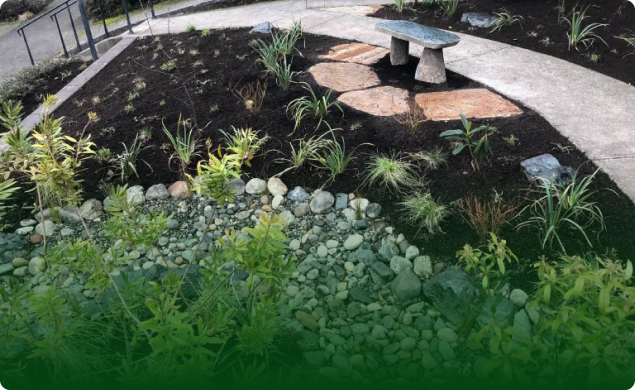
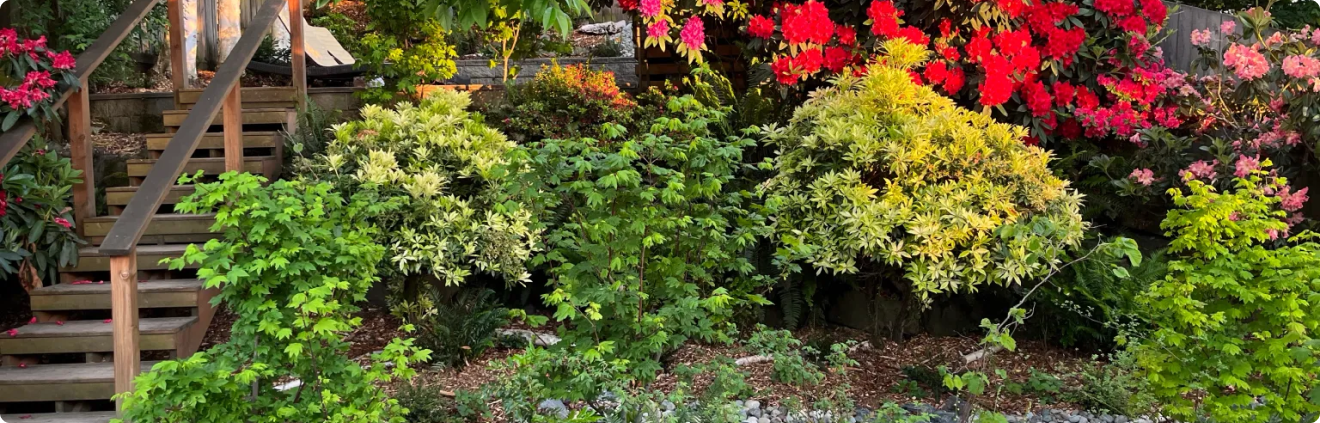
Organic gardening services focus on biological soil building, manual weed management, species-appropriate pruning, and cultural pest prevention. An organic service should explain how its proposed methods work with the plants, soil, and conditions of your garden.
For urban properties—where ornamental plantings, edible raised beds, and compact courtyards often share tight footprints—hiring an organic provider requires understanding what tasks fall under standard care, where the service boundaries sit, and what maintenance responsibilities remain with the property owner.
The Core Standards of Organic Garden Care
A true organic gardening program treats the soil as a living ecosystem rather than a sterile medium propped up by chemical feeds. In our region, this methodology aligns directly with the City of Seattle’s long-standing natural yard care principles: building healthy soil with organic matter, matching plants to actual site conditions, practicing sensible watering, and prioritizing prevention and appropriate ecological methods.
When evaluating an organic service scope, look for specific, active horticultural practices rather than vague marketing labels:
- Soil Stewardship: Regular additions of clean compost, aged manures where appropriate, and arborist wood chips to feed soil organisms, moderate soil temperatures, and reduce summer evaporation.
- Physical Weed Management: Manual taproot extraction, hoeing of annual weed flushes, and dense mulching rather than broadcast applications of chemical pre-emergents or non-selective herbicides.
- Cultural Plant Health: Pruning for natural branch architecture, improved airflow, and disease reduction, with the approach matched to the plant rather than a uniform shearing routine.
- Integrated Pest and Disease Observation: Monitoring ornamental and edible plants for localized outbreaks, identifying environmental stressors, and resolving issues through mechanical removal, sanitation, or low-impact biological controls. Rutheo excludes synthetic herbicides, pesticides, fungicides, and fertilizers; appropriate organic treatments and integrated pest management may still have a role.
Scope of Work Across Different Garden Zones
Urban yards in Seattle, Shoreline, and surrounding neighborhoods rarely feature uniform growing conditions. An experienced service provider will structure work around three distinct functional zones: ornamental borders, kitchen gardens, and tight urban spaces.
1. Ornamental and Native Beds
In perennial borders and shrub beds, organic work centers on long-term structure and soil resilience.
Routine tasks include:
- Pruning deciduous shrubs and small trees during appropriate seasonal dormancy windows to preserve natural growth habit and flowering wood.
- Hand-weeding beds, with an emphasis on persistent regional weeds such as creeping buttercup, bindweed, and shotweed before they set seed.
- Cutting back herbaceous perennials at intervals that balance winter structure, wildlife habitat, and garden cleanliness.
- Replenishing mulch rings around woody plants, keeping mulch several inches away from the root flare to prevent trunk rot.
2. Kitchen Gardens and Edible Beds
Food-growing areas add crop-specific questions about soil management, plant health, and scheduling.
Standard organic edible care typically covers:
- Amending vegetable boxes with balanced compost, worm castings, or organic amendments before spring and autumn plantings.
- Clearing spent crops at the end of their productive window to break disease cycles and reduce pest wintering sites.
- Installing and adjusting basic climbing structures, trellises, or protective row covers.
- Observing brassicas, nightshades, and greens for localized pest pressure, addressing issues through manual pick-off, row cover management, or target sanitation.
Note on boundaries: Organic services help prepare beds, monitor health, and handle routine maintenance, but they do not guarantee yields or assume responsibility for food safety processing. Harvesting schedules remain largely a daily homeowner task.
3. Small Yards and Urban Courtyards
Small-footprint properties can have pronounced differences in heat, fence shade, and soil condition.
In these settings, organic maintenance addresses space constraints:
- Fine-detail hand work around hardscape joints, containers, and foundation plantings where motorized equipment causes damage.
- Aerating compacted pocket beds and working organic matter into degraded urban fill dirt.
- Managing scale and airflow in enclosed spaces to prevent powdery mildew and damp-shade fungal issues.
Separating Kitchen Gardens and Bed Care from Lawn Management
A common point of confusion in service proposals is the line between garden bed maintenance and turf care.
Garden-bed care requires fine horticultural hand tools, individual plant knowledge, and targeted soil building. Turf care relies on specialized mechanical gear, widespread aeration, seed application, and broad surface treatments. For this reason, high-end organic practitioners deliberately separate ornamental and edible services from dedicated organic lawn care programs.
If a property has both lawn and detailed beds, the proposal should clearly delineate:
- Garden Crew Scope: Edible beds, perennial borders, ground covers, shrub health, and mulched pathways.
- Lawn Scope: Core aeration, organic overseeding blends, soil-led nutrition where needed, and mowing height management.
If both are included in one contract, check that the methods and equipment suit each area and protect planting beds from unnecessary traffic or disturbance.
The Shared Responsibility Model: Visits vs. Between-Visit Care
Organic landscapes require collaboration between the maintenance professional and the property owner. Agree on who will observe changing conditions and respond between service dates.
| Service Category | Example Crew Duties to Confirm | Example Between-Visit Duties to Assign |
|---|---|---|
| Watering & Irrigation | Auditing drip lines, adjusting seasonal run times, reporting dry zones. | Monitoring soil moisture during peak heat, manual spot-watering of new plantings. |
| Kitchen Gardens | Bed preparation, soil amending, support staking, crop cleanup. | Daily harvesting, deciding what to cook, checking seed-bed moisture. |
| Pest Management | Scouting plants, mechanical removal, pruning diseased foliage, sanitation. | Notifying crew of sudden pest surges or animal intrusion (e.g., rats, rabbits). |
| Weed Control | Deep hand-pulling, root excavation, maintaining protective mulch blankets. | Avoiding synthetic spot-sprays; pulling occasional surface sprouts if desired. |
| Plant Growth | Formative winter pruning, seasonal cutbacks, deadheading perennials. | Basic aesthetic deadheading if desired between regular service visits. |
What to Ask When Evaluating an Organic Service Proposal
Whether you are evaluating local contractors in Seattle or reviewing bids for Bellevue landscaping projects across Lake Washington, proposals labeled “organic” or “natural” can mean wildly different things.
Use these targeted questions to verify actual working methods:
- “What specific methods do you use to control invasive or persistent weeds?”
Look for: Detailed answers about hand-pulling, digging tools, taproot removal, and sheet mulching. Ask how any proposed treatment fits the provider’s stated organic policy, the site, and the identified problem. - “What fertility and soil products do you apply to kitchen gardens versus ornamental beds?”
Look for: Sourced compost, aged manures, leaf mold, or plant-derived meals. Avoid outfits that apply generic synthetic granular fertilizers to every zone. - “How do your crews manage fallen leaves and organic debris?”
Look for: Chipping on-site, leaving clean leaf litter in beds where appropriate, or composting. Repeatedly leaving beds bare can remove useful organic cover and create more work controlling weeds. - “Are tools sanitized between properties?”
Look for: An explanation of tool hygiene appropriate to the plants and any identified disease concerns.
Professional Service vs. Garden Coaching
Not every garden needs an ongoing, recurring maintenance contract. Some properties benefit more from targeted technical direction, leaving the physical work to an engaged homeowner.
- Ongoing Maintenance: Best for busy homeowners who want skilled horticultural hands handling regular structural pruning, seasonal bed transitions, mulching, and routine hand weeding on a predictable schedule.
- Targeted Garden Coaching: Ideal for property owners who enjoy working outside but need help diagnosing declining plants, prioritizing seasonal chores, planning an edible garden layout, or learning correct pruning cuts. A session of garden coaching provides the assessment and strategic framework without committing to a recurring labor contract.
Understanding this distinction keeps you from paying for routine physical labor when what your landscape truly needs is diagnostic clarity and a seasonal plan.
Setting Up Your Landscape Plan
An organic approach builds a resilient landscape that improves with age. Rather than forcing quick, temporary fixes with synthetic chemicals, an organic service invests in the biological health of your soil and the natural structure of your plants.
If you need hands-on assistance aligning your ornamental borders, edible beds, and small-yard spaces with sound ecological practices, review our tailored maintenance services to determine the right scope of care for your property.