
Caring for an Existing Permeable Patio or Path: A Practical Upkeep and Inspection Guide

A permeable hardscape works only as well as the spaces between its materials. When rainwater reaches an installed system, open spaces in the surface admit it to the layers below, where it may be stored, infiltrate into surrounding soil, or leave through an underdrain, depending on the design. If those voids pack with silt, decomposed […]
Mapping Sun and Shade: Tracking Garden Exposure Before Choosing Plants

Plant labels make sun requirements sound simple. They classify living plants into broad categories like “full sun,” “partial shade,” or “full shade,” implying that light in a garden is uniform and static. In reality, light shifts across every yard in response to rooflines, fence angles, tree canopies, and changing seasons. Relying on memory or a […]
Rotating Vegetables in a Small Garden Without Losing Growing Space

Standard crop rotation advice assumes you manage acres of land, not three or four raised beds tucked along a fence line. On a commercial farm, shifting crop families between widely separated fields can interrupt some pest and disease cycles. In a compact backyard, moving a tomato six feet to the next cedar box will not […]
Choosing a Backyard Compost System That Fits Your Garden
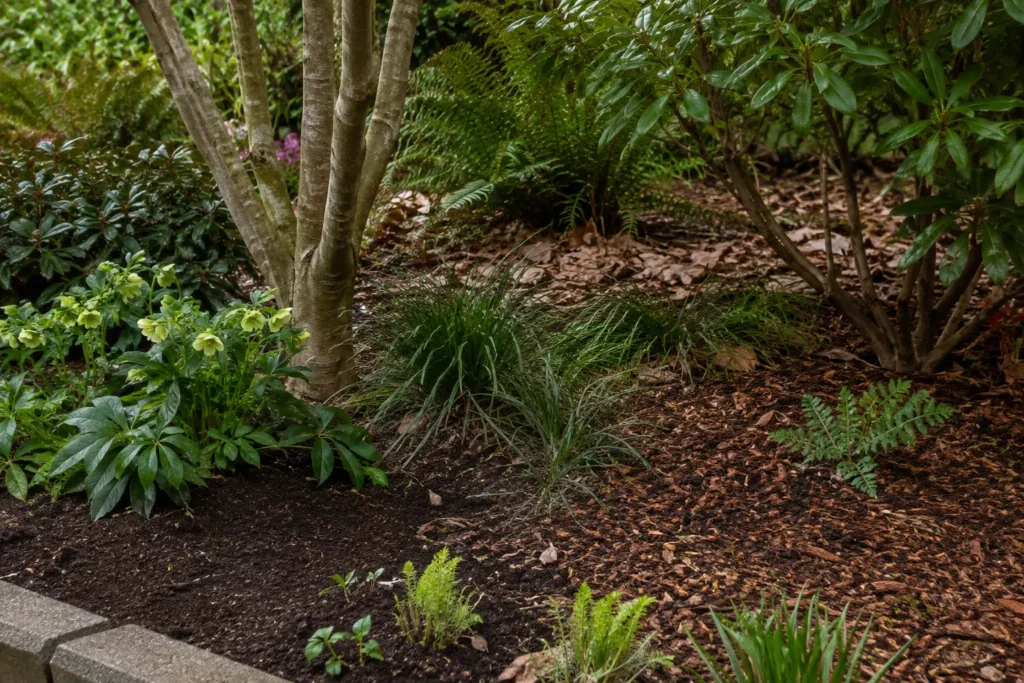
A home composting setup is easier to manage when its equipment matches the actual materials coming out of the house and yard. Gardeners frequently purchase a compact plastic tumbler expecting it to hold autumn leaves, or toss kitchen peelings into an open wire corral only to find rodents burrowing into the pile within a week. […]
Keep, Move, or Replace: Evaluating an Established Shrub Before You Dig

A shrub that feels wrong in its current location does not require an immediate shovel. The urge to dig up an established plant usually begins with a specific friction point: it blocks a walkway, crowds a window, or stands directly in the path of a planned patio renovation. Before committing hours of physical labor or […]
Selecting Healthy Nursery Stock: How to Inspect Roots, Crown, and Foliage Before Buying
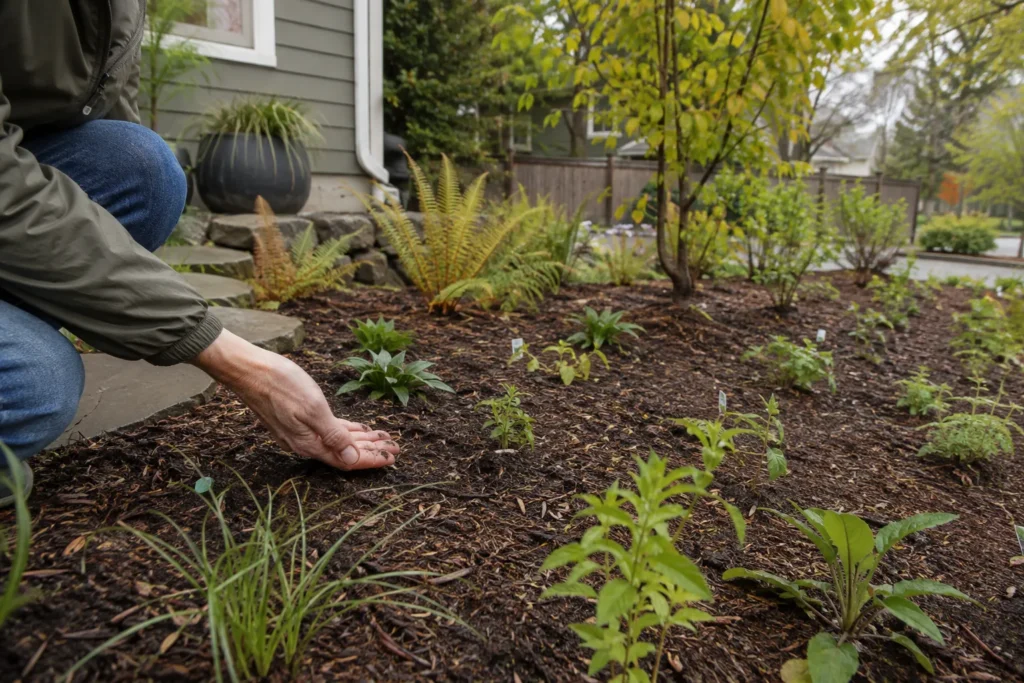
A well-designed planting bed requires stock that can transition into native soil without stalling. When browsing retail nursery benches, the biggest, most floriferous specimen in a one-gallon or five-gallon pot is rarely the best investment. Container plants often receive frequent overhead irrigation and liquid feeds designed to maximize top growth and trigger blooms for retail […]
Dividing Perennials to Renew an Established Border
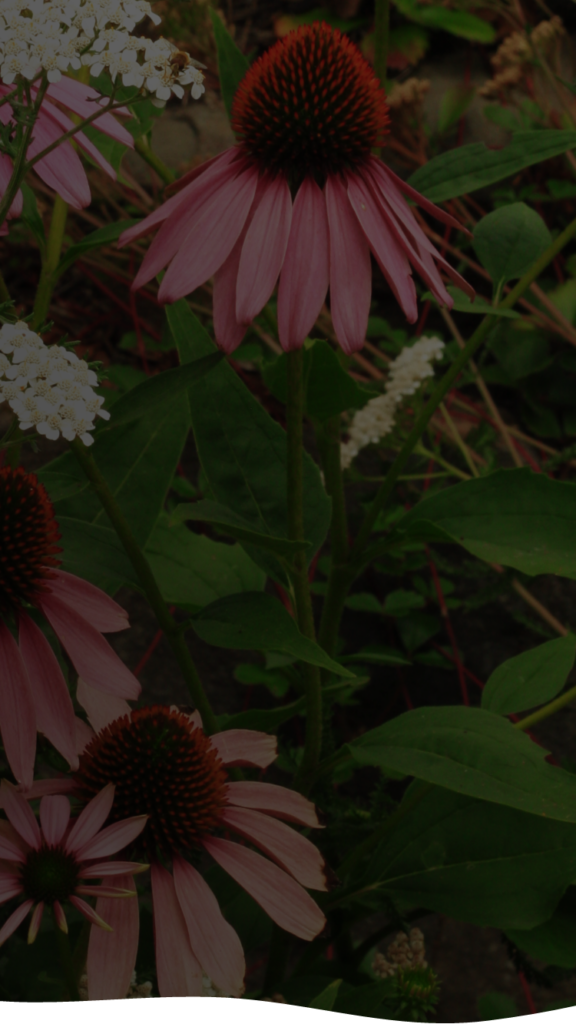
Herbaceous borders do not stay static once planted. Over time, some spreading perennials crowd slower neighbors, while established clumps may produce smaller flowers or develop a declining center. Dividing perennials resets that biological clock. Rather than buying new plants to fill tired spaces, lifting and parting mature clumps allows you to re-establish proper root room, […]
Planning Compatible Fruit Trees for Reliable Pollination

Reliable fruit production in a home garden depends on a biological handoff between two distinct factors: viable pollen from a compatible tree and an insect available to carry it. When a young fruit tree flowers heavily in spring but fails to set fruit by early summer, planting errors made months or years prior are often […]
Reading a Garden Soil Test Before Choosing Amendments
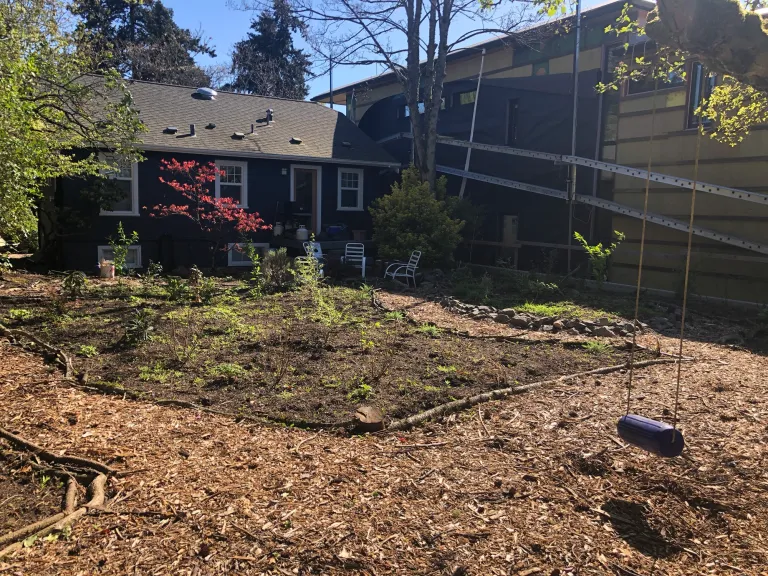
A garden soil test report is a decision-making tool, not a shopping list. Homeowners often receive a sheet full of bars, parts-per-million figures, and chemical abbreviations, then head straight to the garden center to buy bags matching whatever column looks lowest. This reaction frequently wastes money, disrupts existing soil biology, and damages plants through over-application. […]
Designing a Garden Where Deer Browse: A Spatial Protection Framework

Once deer establish a regular foraging route through your property, buying plants labeled “deer-resistant” rarely solves the problem on its own. Deer movement and browsing vary with the local landscape, food availability, and previous feeding habits. A garden near cover or an established travel path may experience repeated visits. If you are seeing torn stems […]