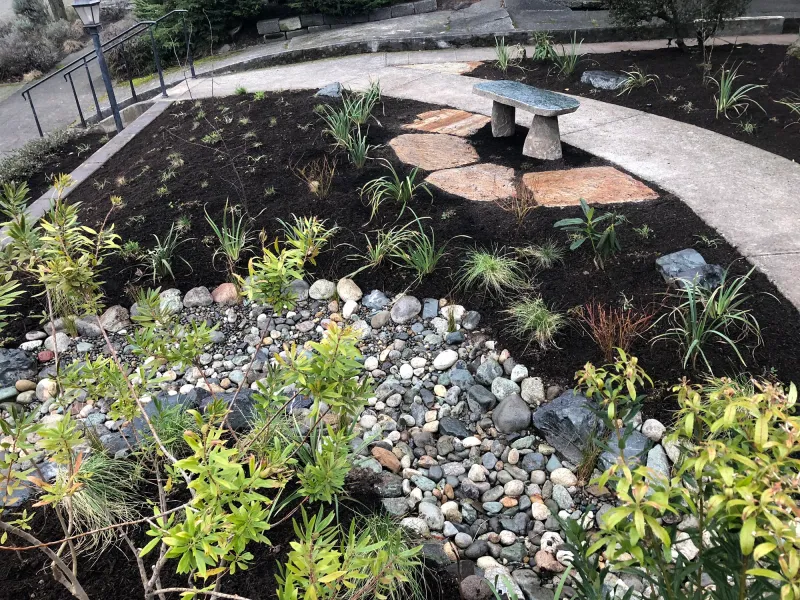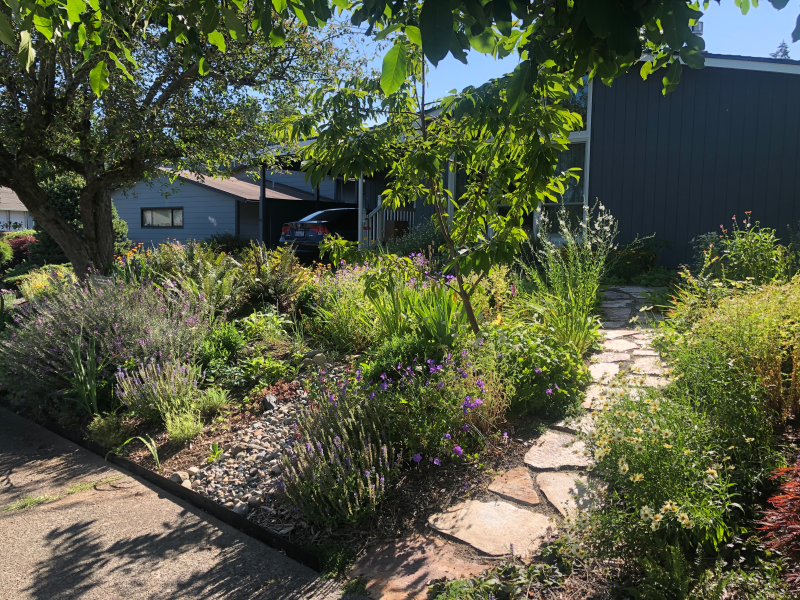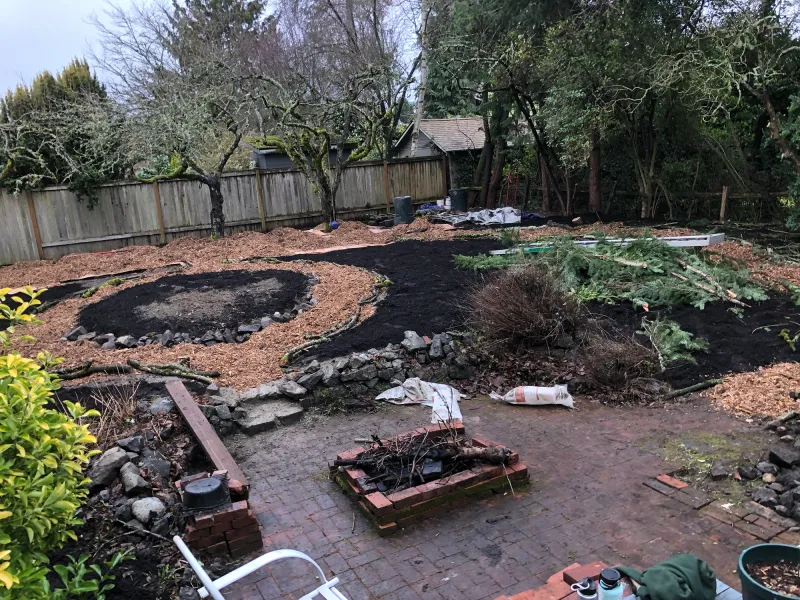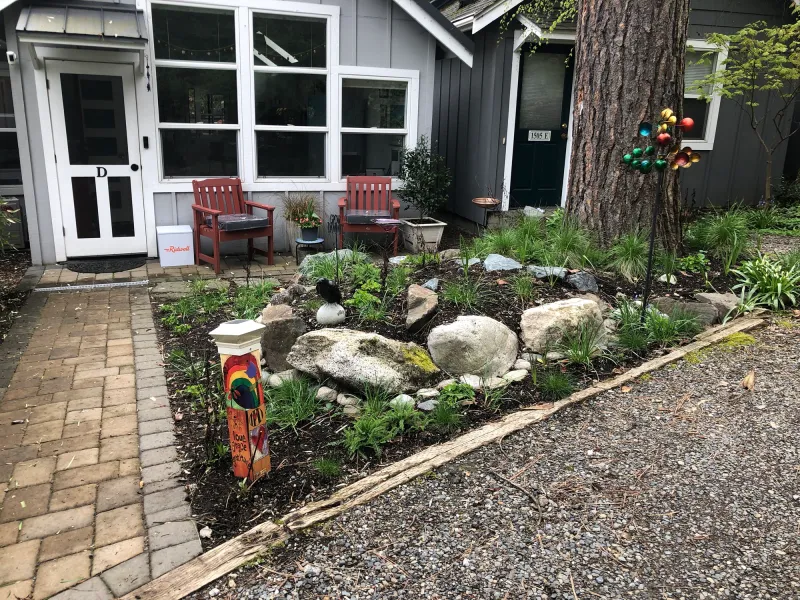
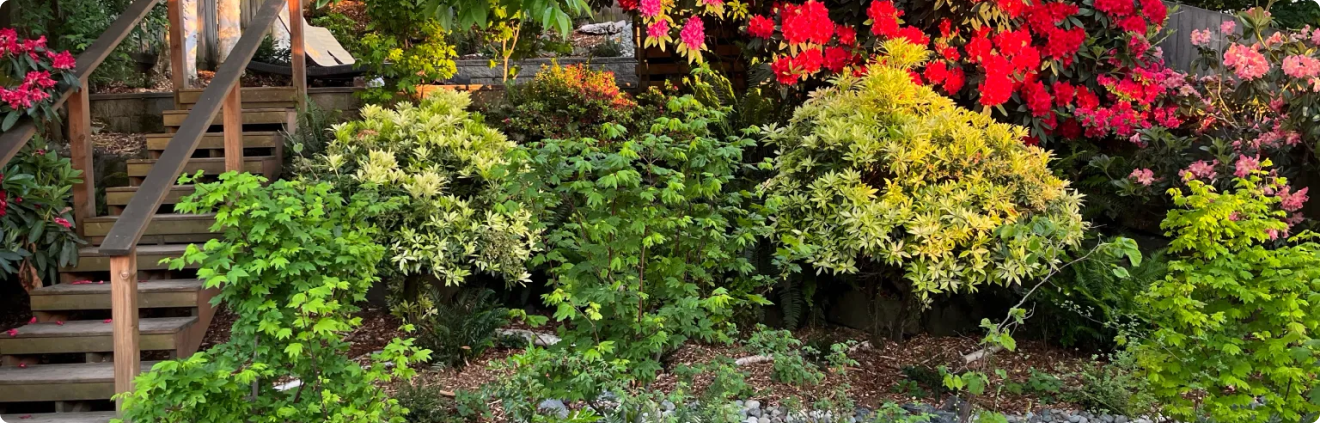
Seattle homeowners often begin landscape design with inspiration photos, then get stuck when real-world constraints show up: drainage issues, awkward grade changes, limited access for materials, unexpected utility conflicts, or plant choices that struggle through the first winter. A strong landscape design process solves those issues before construction starts, not after.
This guide walks through a practical, step-by-step framework for landscape design in Seattle, WA. You will learn how to translate goals into a buildable plan, choose materials and plants for Pacific Northwest conditions, and sequence your project so the finished landscape performs year-round. If you are still deciding between broad planning and service-specific upgrades, start with the full Seattle landscaping guide and then use this post for design execution details.
If you want this step-by-step design process applied to your yard before installation begins, request a consultation with Rutheo Designs and we can map your project from site evaluation through phased buildout.
Why Seattle Landscape Design Needs a Local Process
Seattle landscapes are shaped by a specific mix of conditions: wet winters, dry summer stretches, shaded microclimates, compacted soils, and frequent grade transitions between homes and streets. Design approaches copied from drier climates or flatter regions often fail here because they prioritize looks before site function.
A local design process keeps projects grounded in performance. Instead of asking only, “What should this yard look like?” ask, “How should this yard work in February rain, August dryness, and everyday use?” That shift changes everything: drainage gets solved early, circulation becomes safer in wet months, and plant choices hold up longer.
The goal is not to make the design less beautiful. It is to make beauty durable.
Step 1: Define Outcomes and Evaluate Your Site
Most projects go off-track because goals are too vague. “Low maintenance” can mean less mowing for one homeowner, while for another it means no weekly pruning, no seasonal replanting, and no fragile lawn sections. Start by defining outcomes in plain terms:
- How will you use the space (entertaining, kids, pets, quiet retreat, edible garden)?
- What must improve first (drainage, privacy, curb appeal, lighting, accessibility)?
- What maintenance level is realistic month to month?
- What timeline matters most (event date, sale prep, phased long-term build)?
Once goals are defined, evaluate the site conditions that affect design decisions:
- Sun and shade by season
- Water flow and pooling zones
- Existing hardscape condition
- Soil quality and compaction
- Utility and access constraints
This step creates a clear project brief. Without it, even good design ideas can clash during installation.
Step 2: Build a Functional Layout Before Materials
A strong layout solves movement and use first, then style. That means mapping how people enter, cross, gather, and maintain the yard across all seasons.
Use zoning to reduce design friction:
- Entry zone: path clarity, welcoming curb appeal, nighttime safety
- Living zone: seating, dining, weather protection, evening comfort
- Utility zone: storage, service access, drainage routes, screening
- Planting zone: structure, habitat, color sequence, privacy layering
Circulation is where many designs fail. Narrow pinch points, poor transitions, and awkward step placements become daily annoyances and safety risks. In Seattle, path slope and surface grip matter more than many homeowners expect, especially in long wet periods.
If you are exploring concept directions before committing to a final plan, this list of landscaping ideas for Seattle homes can help you shortlist options that actually fit your lot.
Step 3: Select Plants by Microclimate and Maintenance Level
Planting design is not a single decision. It is a system of layers, exposures, growth rates, and maintenance demands that need to work together over time.
Start with structural planting:
- Evergreen anchors for year-round form and privacy
- Medium-height shrubs for mass and seasonal texture
- Ground-layer coverage for weed suppression and soil protection
Then add seasonal interest and ecological value:
- Deciduous accents for color change and seasonal light variation
- Pollinator-supporting species matched to site conditions
- Drought-tolerant selections for hot, dry stretches
Avoid the common pattern of over-planting at install. Dense planting can look complete on day one, but can create crowding, airflow problems, and costly pruning cycles by year two. A better approach is to plan mature spacing from the start and fill visually with temporary or fast-establishing layers.
Maintenance planning belongs here, not after install. If the design assumes monthly fine-pruning but the household has capacity for quarterly care, adjust species and layout now.
Step 4: Plan Drainage and Irrigation Together
In Seattle, drainage and irrigation are often treated as separate line items. In practice, they should be designed as one water strategy.
Drainage planning should identify:
- Roof and hardscape runoff paths
- Areas with recurring saturation
- Locations where grade correction or collection is required
- Where infiltration is safe and effective
Depending on site conditions, solutions may include swales, catch basins, corrected grading, permeable surfaces, or revised downspout routing.
Irrigation planning should define zones by plant type and exposure, not by convenience. Lawns, shrub beds, and perennial borders almost never need the same schedule. Zone-specific drip or low-volume systems usually improve plant health and reduce wasted water.
For deeper technical planning, see irrigation systems Seattle. Pairing irrigation design with drainage decisions early reduces rework and protects both hardscape and planting investment.
Step 5: Choose Hardscape Materials for Pacific Northwest Use
Hardscape choices should match climate, maintenance tolerance, and how the space is used day to day. In Seattle, freeze-thaw cycles, heavy rain periods, and organic debris buildup all affect performance.
When comparing materials, evaluate:
- Slip resistance in wet months
- Surface durability over time
- Maintenance burden (cleaning, moss management, sealing)
- Repairability and replacement complexity
- Visual fit with home style and planting palette
The most expensive material is not always the best long-term value. A simpler material that is safer, easier to maintain, and better matched to the site can outperform premium options that require frequent upkeep.
If your design includes retaining work, make sure wall placement, drainage behind walls, and planting transitions are coordinated in one plan.
Step 6: Integrate Lighting Into the Design Plan
Landscape lighting should be planned during design, not added after installation. Early planning improves fixture placement, reduces trenching changes, and creates a cleaner final result.
A practical lighting hierarchy:
- Safety lighting: paths, steps, grade changes, entries
- Functional lighting: patios, seating, activity areas
- Accent lighting: trees, textures, focal elements
Use lower-intensity layered light rather than over-bright fixtures. The result is usually more usable, more attractive, and easier on neighboring properties.
For fixture types and layout examples, review landscape lighting Seattle.
Step 7: Budget, Phasing, and Construction Sequence
A design that cannot be built within budget is not complete. Budgeting should be treated as part of design development, not a final check.
Major cost drivers typically include:
- Site complexity and prep work
- Hardscape square footage and material class
- Drainage and irrigation scope
- Lighting infrastructure
- Plant size, quantity, and availability
If full build-out is not practical in one phase, define phasing intentionally. Good phasing is not “do what we can now.” It is sequencing work so early phases do not create rework in later phases.
A reliable sequence for most Seattle projects:
- Site prep and grading adjustments
- Drainage and utility rough-in
- Hardscape base and installation
- Irrigation and lighting installation
- Planting and finish work
- First-season tune-up
This sequence protects quality and keeps costs more predictable.
Step 8: Maintenance Handoff and First-Year Adjustments
The first year after installation determines whether the design settles into long-term success or starts a replacement cycle. Build a maintenance handoff into the project from day one.
Your handoff should include:
- Watering schedule by zone and season
- Pruning windows by plant type
- Mulch and soil care guidelines
- Lighting checks and fixture adjustments
- Drainage inspection points after major storms
Expect adjustments. Some plants will outperform assumptions, and others may need replacement due to microclimate behavior. Treat that as optimization, not failure. A landscape that is tuned in year one is usually more resilient and lower effort in year two and beyond.
Frequently Asked Questions
How long does landscape design and installation take in Seattle?
Smaller projects may move from design to install in a few weeks, while full-yard redesigns can take several months depending on scope, permitting, and season. Clear planning and sequencing reduce delays significantly.
Should I design everything at once if I can only build in phases?
Yes. Create the full design first, then phase implementation. This avoids duplicated labor and conflicting decisions, especially around drainage, irrigation, and circulation.
Do I need both drainage planning and irrigation planning?
In most Seattle projects, yes. Drainage protects the site in wet months, while irrigation protects plant health during dry periods. Planning them together creates better long-term performance.
What is the best first upgrade if I have a limited budget?
Start with the upgrade that removes the biggest functional risk, usually drainage correction, circulation safety, or irrigation for high-value planting areas. Cosmetic upgrades can follow once core performance is stable.
How do I compare design providers in Seattle?
Review process quality, not just portfolio photos. Ask how they evaluate water movement, define maintenance expectations, sequence construction, and handle first-year adjustments.
Conclusion
Landscape design in Seattle works best when it balances beauty, function, and long-term maintenance reality. If you define outcomes early, design around site conditions, and coordinate drainage, irrigation, hardscape, planting, and lighting as one system, you will get a yard that looks better and performs better through every season.
If you are planning a redesign this year, start with a site-based plan and clear build sequence before installation begins. That one decision prevents most costly mid-project pivots and makes the final result easier to maintain over time.
If you want Rutheo Designs to plan and deliver this on your property, request a consultation with Rutheo Designs so we can map scope, sequencing, and next steps.