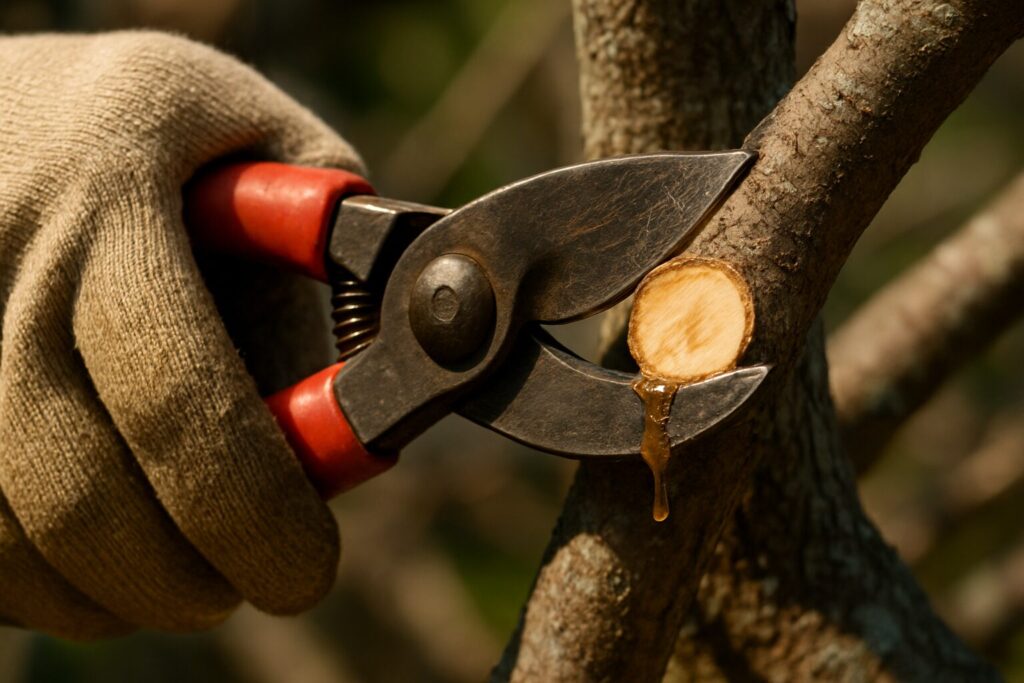
In Seattle’s unique climate with its frequent rainfall, mild summers, and evergreen canopy, our approach centers on enhancing plant health and structural stability. We begin with a detailed assessment of each tree and shrub, identifying crossing limbs, deadwood, and areas prone to moisture-related disease. By employing targeted crown thinning and structural pruning techniques, we help native species like Pacific madrone and Western red cedar develop strong branch collars and balanced canopies, optimizing sunlight capture even under overcast skies.
Our services extend beyond routine maintenance to embrace habitat connectivity and storm resilience. We selectively trim to create vertical clearance for pedestrian and traffic safety, shape trees for wind resistance, and open understories to foster native pollinator corridors. Where shrubs serve as living bioswale buffers, we carefully prune roots and branches to maintain water-filtering capacity without compromising ornamental form. Throughout the process, we collaborate with you on your garden vision, recommending native understory plantings or seasonal specimen highlights that complement your trees and shrubs.
We design each planting project to fit Seattle’s unique environment, balancing aesthetic appeal with ecological function. Our process begins by integrating client goals with site potential, resulting in planting schemes that enhance property value and support local ecosystems. By combining landscape architecture principles with plant science, we create plans that anticipate seasonal changes, optimize view corridors, and respect natural contours. This holistic approach ensures that new plantings contribute to water conservation, habitat creation, and year-round interest.
Our installation services translate plans into living landscapes through careful coordination and execution. We manage every step, from procurement of high-quality plant material to on-site logistics so installations proceed smoothly and on schedule. Safety protocols and standardized quality checks guarantee plant health and placement accuracy, while clear communication keeps clients informed. Through this streamlined approach, we deliver robust garden beginnings that set the stage for long-term beauty and sustainability.
Before breaking ground, we conduct a thorough site analysis to understand soil conditions, light exposure, and drainage patterns. Using soil probes and pH tests, we identify nutrient profiles and areas prone to compaction. Digital mapping of sun angles and shade cast by existing structures informs plant placement, ensuring each species receives appropriate light levels. This data-driven groundwork minimizes trial-and-error and aligns plant needs with microclimate realities.
Project planning extends beyond technical assessment to include client collaboration and regulatory review. We document desired garden features, budget parameters, and maintenance expectations in a project brief. Permitting requirements and homeowners’ association guidelines are integrated early to prevent delays. By combining ecological data with client input and local codes, we craft a robust plan that addresses both performance and compliance from day one.
Selecting the right plants is central to creating resilient, low-maintenance gardens. We curate palettes that prioritize native and regionally adapted species, such as Pacific ninebark (Physocarpus capitatus) and salal (Gaultheria shallon), to reduce irrigation needs and support pollinators. Layering plant heights from groundcovers to flowering shrubs and small canopy trees establishes visual depth while promoting biodiversity. Each selection is vetted for disease resistance, mature size, and seasonal interest.
To enrich ecological value, we integrate ornamental accents with functional plantings. Drought-tolerant perennials like penstemon complement water-wise zones, while deciduous shrubs offer vibrant fall color and winter structure. Detailed plant profiles accompany our proposals, outlining irrigation requirements, pruning windows, and companion planting tips. This transparency empowers clients to understand the role of each species, fostering informed stewardship and long-term garden health.
Seattle’s soils vary widely from heavy clays in urban lots to sandy loams near the Sound, so we customize amendments for each project. After clearing debris and invasive roots, we incorporate organic matter such as aged compost, bark fines, and biochar to improve nutrient retention and microbial activity. Soil structure is further enhanced with slow-release mineral additives like rock phosphate, promoting balanced fertility without synthetic fertilizers.
In compacted zones, we deploy mechanical aeration to break up hardpan layers while preserving existing root networks. For areas with poor drainage, we install subsurface gravel trenches or incorporate expanded shale aggregates to boost porosity. These interventions reduce waterlogging and promote oxygen exchange, laying a healthy foundation for new root systems. By tailoring soil conditions precisely, we reduce transplant shock and accelerate plant establishment.
Our crews adhere to best practices that protect plant integrity during installation. We handle root balls with moisture-retentive techniques, wrapping them in damp burlap until planting, and avoid root girdling by loosening circling roots before backfill. Plants are set slightly above the surrounding grade on gently sloped berms to direct runoff toward root zones. Planting depths respect the crown collar, preventing both drought stress and crown rot.
Mulch application and stabilization follow precise protocols: we apply organic mulch in a “donut” pattern around trunks to conserve moisture while avoiding direct bark contact. Biodegradable tree shelters or rodent guards are used selectively in high-exposure areas. When required, staking is done with flexible ties and removed after one growing season to encourage wind-firm root development. These meticulous methods ensure each planting has the best start.

Water efficiency is vital in Pacific Northwest gardens. We install drip irrigation systems that deliver water directly to root zones, minimizing evaporation and reducing fungal risk. Smart controllers tied to soil-moisture sensors or local weather stations pause irrigation during rain events, lowering water use and utility bills. Systems are zoned by plant grouping, matching emitters to root depth and plant water requirements.
To manage stormwater, we integrate rain gardens and bioswales that filter runoff through native sedges and rushes, reducing erosion and improving water quality. Permeable paving and cistern capture can also be incorporated for graywater reuse. This layered approach blends active irrigation with passive drainage, ensuring plants receive optimal moisture while mitigating urban runoff.
After installation, we provide a detailed care schedule covering mulching, weeding, and seasonal feeding. Our team conducts follow-up visits during the first year to monitor moisture levels, inspect for pests, and adjust irrigation rates. Early detection of stress symptoms, such as chlorosis or wilting, prompts targeted interventions like soil amendments or localized pruning.
Corrective pruning of young shrubs and trees is performed to establish strong structure and encourage healthy branching patterns. We also examine soil compaction and irrigation integrity, repairing leaks or re-aerating as needed. This proactive monitoring protects plant health and supports robust growth, ensuring your garden thrives beyond the initial installation.
Promoting local biodiversity, we weave native understory plantings like wild ginger (Asarum caudatum) and sword fern (Polystichum munitum) beneath larger shrubs and trees. These groundcovers suppress weeds, retain soil moisture, and provide forage for beneficial insects. By maintaining continuous flowering sequences with species such as red columbine (Aquilegia formosa) and Douglas aster (Symphyotrichum subspicatum), we support pollinators across multiple seasons.
Habitat features like log piles, native grass clusters, and stone terraces create microhabitats for birds, amphibians, and invertebrates. We consider wildlife movement corridors, ensuring connectivity between planting areas. This ecological integration fosters a self-sustaining garden ecosystem that balances ornamentation with habitat function.
Our long-term vision focuses on resilient, low-maintenance landscapes that evolve gracefully. We prioritize adaptive plant communities capable of withstanding pests, diseases, and climate variability. Through periodic assessments, we recommend subtle adjustments—such as adding seasonal bulbs or replacing underperforming specimens—to keep the design vibrant and relevant.
Ultimately, our installations serve as living frameworks that grow stronger over time. By combining science-based practices with thoughtful design, we help gardens mature into dynamic landscapes that require minimal inputs. This commitment to lasting performance ensures your Seattle garden remains a thriving, sustainable sanctuary for years to come.
We guide you through every step of tree and shrub pruning and trimming services—from the initial consultation to the final brush cleanup. Our process begins with a collaborative assessment, where we listen to your goals for canopy health, structural balance, and aesthetic form. We inspect each specimen for crossing limbs, deadwood, and signs of disease, then develop a pruning plan that employs crown thinning, structural pruning cuts, and selective branch removal to promote vigorous cambial growth and optimal light penetration.
Ready to ensure your trees and shrubs thrive year-round? Email us at connect@rutheodesigns.com or call (360) 844-2989. Whether you need deadwood removal, storm-resilience pruning, hedge shaping, or selective thinning to improve air flow, we’re here to apply sustainable, industry-best techniques that enhance safety, tree longevity, and landscape beauty. Let us help you maintain a healthy, vibrant canopy that complements your dream garden.
We use cookies to improve your experience on our site. By using our site, you consent to cookies.
Manage your cookie preferences below:
Essential cookies enable basic functions and are necessary for the proper function of the website.
Google Tag Manager simplifies the management of marketing tags on your website without code changes.
Statistics cookies collect information anonymously. This information helps us understand how visitors use our website.
Google Analytics is a powerful tool that tracks and analyzes website traffic for informed marketing decisions.
Service URL: policies.google.com (opens in a new window)
Google reCAPTCHA helps protect websites from spam and abuse by verifying user interactions through challenges.
Marketing cookies are used to follow visitors to websites. The intention is to show ads that are relevant and engaging to the individual user.
Facebook Pixel is a web analytics service that tracks and reports website traffic.
Service URL: www.facebook.com (opens in a new window)
You can find more information in our Cookie Policy and Privacy Policy.