A truly sustainable garden should do more than look beautiful; it should support the life around it. That’s why we specialize in designing and installing berry-producing shrubs that provide both visual appeal and ecological value. By thoughtfully selecting native and regionally adapted species, we create living landscapes that serve as reliable food sources for songbirds while adding seasonal interest through vibrant blooms, colorful foliage, and berries that persist into winter.
Our process begins with understanding your property’s unique microclimates and soil conditions, then matching them with shrubs that will flourish and attract the widest variety of bird species. We incorporate sustainable practices such as layering plantings to mimic natural woodland edges, choosing cultivars that support pollinators as well as birds, and using mulch and organic amendments to reduce water needs. With our expertise, you gain a garden that’s alive with movement and song throughout the year.
Berry-producing shrubs are an essential foundation of bird-friendly landscapes because they supply food, shelter, and ecological diversity. Unlike ornamental plants chosen solely for their flowers, these shrubs provide a multi-season resource that directly sustains birds throughout the year. Early fruiting shrubs like serviceberry offer nourishment during nesting, while species that hold fruit into winter, such as chokeberry and holly, ensure food is available when resources are otherwise scarce. This timing is crucial for both resident and migratory birds, supporting them at life stages when energy demands are highest.
Beyond food, shrubs also provide dense cover for nesting and refuge from predators. Their branching structure creates safe nesting niches, while foliage and berries add protective camouflage. When grouped thoughtfully, shrubs of varied sizes can mimic natural forest edges, creating layers that support diverse bird species. By using berry shrubs as a design tool, we can transform ordinary gardens into living ecosystems that blend beauty with functionality.
Choosing shrubs that align with site conditions ensures both plant longevity and ecological impact. At Rutheo Designs, we begin by assessing soil type, drainage, and sun exposure. For example, red chokeberry thrives in moist soils and partial shade, while elderberry prefers rich, well-drained soils and full sun. Matching shrubs to their natural habitat reduces maintenance needs and ensures steady berry production year after year. This site-specific approach allows us to design landscapes that stay resilient against pests, drought, and disease without heavy intervention.
Native and regionally adapted species are always prioritized. Native shrubs host more insect populations, which provide essential protein for birds during breeding seasons. Serviceberry not only produces edible fruit for thrushes and robins but also attracts pollinators to its spring blossoms. By choosing local species over exotic ornamentals, we amplify ecological benefits while also reducing the risk of introducing invasive plants. Our plant lists are carefully vetted to avoid species like Nandina, whose berries can be toxic to birds.
A well-planned bird garden ensures food is available across all seasons. Spring and early summer shrubs such as serviceberry and currant ripen when birds need energy for nesting and raising young. Mid-summer producers like elderberry, blueberry, and viburnum support birds during migration and molting, when caloric needs are especially high. Autumn brings high-fat fruits like dogwood berries, which fuel long-distance migrants. By late fall and winter, shrubs like holly, winterberry, and chokeberry provide persistent fruit that sustains resident birds through the coldest months.
This temporal diversity is critical because a single shrub species cannot provide year-round value. Our designs layer multiple shrubs with staggered fruiting cycles, so the garden becomes a continuous food source. This approach mirrors natural ecosystems, where succession ensures food availability. For homeowners, this creates an ever-changing garden experience—flowers in spring, lush foliage in summer, colorful berries in fall, and birds foraging through winter.
Berry shrubs are most effective when integrated into broader garden systems. We often plant them alongside companion perennials and native grasses that stabilize soil, attract pollinators, and reduce weed pressure. This method, sometimes called guild planting, replicates natural woodland communities and increases overall biodiversity. The layered structure attracts a wider variety of wildlife, as ground-nesting birds and insects benefit from the lower levels while shrub-nesters utilize the mid-story canopy.
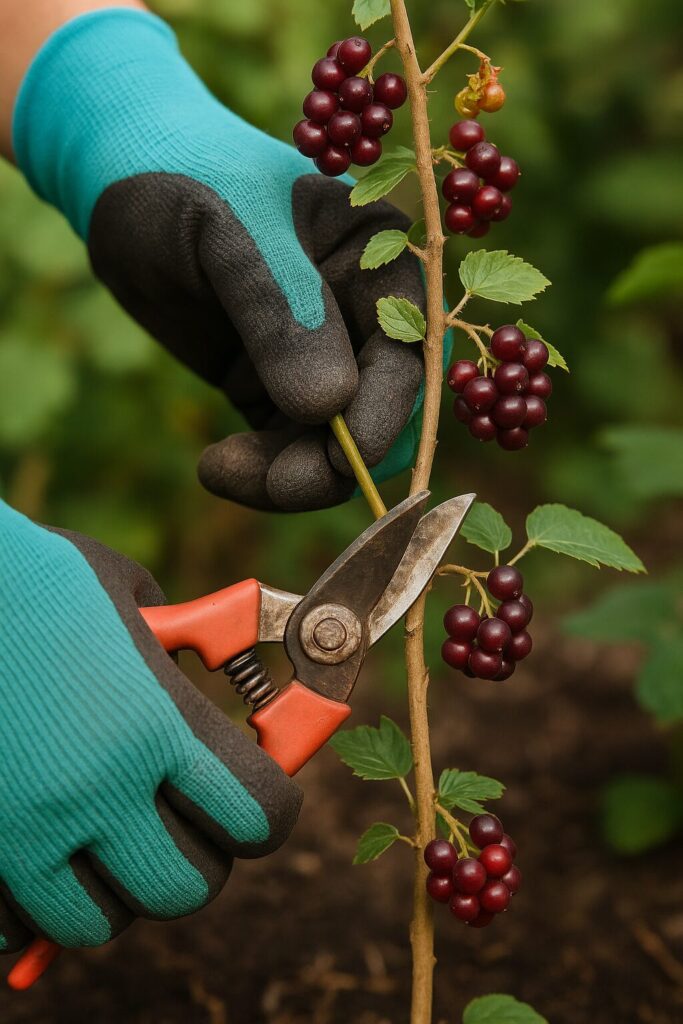
Water management is another essential element. Drip irrigation and organic mulches help establish shrubs without excessive water use. Once established, many native shrubs require minimal supplemental watering, making them ideal for sustainable landscapes. Proper pruning techniques also preserve berry clusters while maintaining plant shape. By considering long-term maintenance in our designs, we create gardens that remain both bird-friendly and easy to care for.
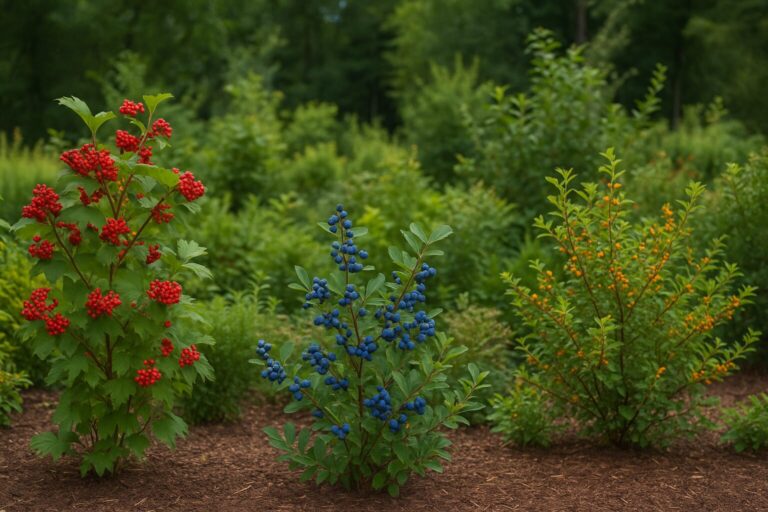
Birds thrive when gardens replicate the layered structure of natural habitats. By planting berry-producing shrubs beneath taller trees and alongside smaller perennials, we create vertical layers that attract different bird species. Songbirds like thrushes may forage in mid-story shrubs, while sparrows prefer low, dense cover near the ground. Layering also provides protection from predators, as birds can move between canopy, shrub, and ground layers with ease.
These multi-layered habitats not only support birds but also add depth and dimension to the landscape. A mix of evergreen and deciduous shrubs ensures year-round cover, while varying textures and colors bring visual interest to the garden. By mimicking the structure of woodland edges and hedgerows, we offer birds the resources they need while giving homeowners a landscape that feels both natural and artfully designed.
Berry shrubs are an investment in the future health of both the garden and the ecosystem. As they mature, their fruit production increases, attracting more birds each year. Established shrubs also provide soil stability, reducing erosion and enhancing fertility through organic matter from fallen leaves and fruit. Over time, shrubs may spread through suckering or reseeding, expanding habitat without major replanting efforts.
For birds, the long-term benefits are even more significant. A garden with reliable fruiting shrubs becomes a recognized stopover for migratory species, while resident birds return season after season. The ecological balance created by berry shrubs reduces reliance on artificial feeders and chemical inputs, instead supporting a self-sustaining ecosystem. Ultimately, berry-producing shrubs strengthen the bond between people and nature, turning gardens into living landscapes that nurture both beauty and biodiversity.
We specialize in helping homeowners and property owners create bird-friendly gardens enriched with berry-producing shrubs that provide beauty, seasonal interest, and ecological value. Whether you’re looking to attract songbirds with year-round food sources, design layered plantings that mimic natural habitats, or select the right native shrubs for your soil and light conditions, our team will guide you through the process with expertise and care.
If you’re ready to transform your landscape into a thriving sanctuary for both people and wildlife, we’d love to hear from you. Email us at connect@rutheodesigns.com or call (360) 844-2989 to schedule a consultation. From shrub selection and placement to long-term maintenance strategies, we’ll help you build a sustainable garden that supports birds and enhances your outdoor space for years to come.
We use cookies to improve your experience on our site. By using our site, you consent to cookies.
Manage your cookie preferences below:
Essential cookies enable basic functions and are necessary for the proper function of the website.
Google Tag Manager simplifies the management of marketing tags on your website without code changes.
Statistics cookies collect information anonymously. This information helps us understand how visitors use our website.
Google Analytics is a powerful tool that tracks and analyzes website traffic for informed marketing decisions.
Service URL: policies.google.com (opens in a new window)
Google reCAPTCHA helps protect websites from spam and abuse by verifying user interactions through challenges.
Marketing cookies are used to follow visitors to websites. The intention is to show ads that are relevant and engaging to the individual user.
Facebook Pixel is a web analytics service that tracks and reports website traffic.
Service URL: www.facebook.com (opens in a new window)
You can find more information in our Cookie Policy and Privacy Policy.