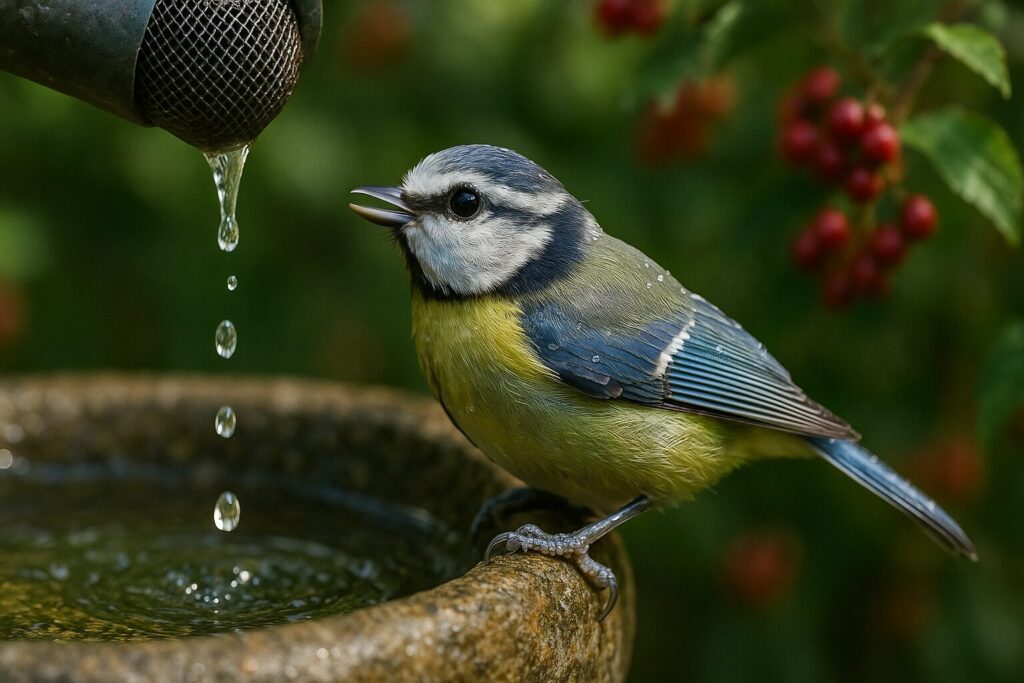
We blend the art of sustainable landscaping with the science of wildlife habitat gardening to craft bird-friendly gardens that flourish in Seattle’s unique climate. We begin by selecting a native plant palette, such as red-flowering currant, ocean spray, and vine mapl,e to provide year-round nectar, berries, and shelter. By layering canopy trees, understory shrubs, and groundcover, we create a multi-tiered habitat that supports songbirds, finches, and hummingbirds alike. Our design process integrates phenology principles, ensuring continuous bloom and fruit production so migratory species find consistent resources during stopover seasons. Beyond foundational planting, we offer specialized services that elevate your outdoor space into a thriving ecosystem. We engineer custom rain gardens and shallow water features that serve as essential drinking and bathing stations, and we install brush-pile retreats and native-grass nesting pockets to enhance habitat complexity.
We select Pacific Northwest–native berry shrubs and small trees such as salmonberry (Rubus spectabilis), thimbleberry (Rubus parviflorus), evergreen huckleberry (Vaccinium ovatum), and serviceberry (Amelanchier alnifolia) because local birds depend on their seasonal fruiting cycles. By mapping bloom and berry ripening times, we create a planting plan that delivers a continuous supply of nectar, pollen, and nutritious berries from early spring through late fall. This staggered phenology supports resident species like varied thrush and cedar waxwing, as well as migratory visitors stopping over during longer journeys.
Our planting process emphasizes soil health, root development, and microclimate optimization. We install deep-root hydration basins to ensure water reaches the entire root zone, and we incorporate organic mycorrhizal inoculants to boost nutrient uptake. Strategic root-zone mulching helps retain moisture and suppress weeds, while pH adjustments with sulfur or lime ensure optimal acidity for fruit set. By arranging shrubs in layered groupings, tall canopy species alongside mid-story berries and low groundcovers, we replicate natural forest edges, extend foraging zones, and create sheltered flight corridors that both birds and gardeners enjoy.
We choose feeders and nest boxes that match the needs of local bird species, favoring durable, weather-resistant materials like powder-coated steel, untreated cedar, or recycled plastic. For seed-eaters such as finches and chickadees, we recommend tube or mesh feeders with metal ports and perches sized to their beaks and feet. Platform feeders work well for sparrows and cardinals, while nectar feeders with built-in ant moats and bee guards attract hummingbirds without inviting pests. Nest boxes are sized and ventilated according to target species: 1¼-inch entrance holes for chickadees, 1½-inch for bluebirds, and larger suet cages for woodpeckers. We also install predator guards, metal plates around entry holes and baffles on poles, to keep eggs and fledglings safe without compromising natural appearance.
Our installation process balances visibility, safety, and ease of maintenance. We mount feeders at least 5–6 feet high on poles or brackets, placing them 10–15 feet from dense shrub cover to deter ambush predators while keeping nearby perches for quick refuge. Nest boxes sit 6–12 feet off the ground on tree trunks or posts, angled slightly downward to shed rain and lined internally with ventilation and drainage holes to prevent mold. We always level feeders so seed stays dry, and secure hardware with tamper-proof screws to resist squirrels and raccoons. For multi-station setups, we space feeders and boxes at least 15–20 feet apart to reduce territorial conflicts.
We prioritize Pacific Northwest natives, such as red elderberry (Sambucus racemosa), western serviceberry (Amelanchier alnifolia), salmonberry (Rubus spectabilis), and evergreen huckleberry (Vaccinium ovatum), because these species provide high-energy fruit and have co-evolved with local bird populations. By mapping bloom and fruiting schedules, we arrange plantings to ensure continuous berry availability from late spring through fall. We group canopy trees, mid-story shrubs, and low groundcovers in layered clusters that replicate natural forest edges, creating safe flight corridors and varied foraging heights for species like robins, waxwings, and finches.
Our site preparation focuses on soil health and moisture retention. After a soil profile analysis, we adjust pH to the ideal 5.5–6.5 range with sulfur or lime, and incorporate organic compost and mycorrhizal inoculants to boost nutrient uptake. We install deep-root watering basins and apply a 3–4-inch layer of coarse wood-chip mulch to suppress weeds and reduce evaporation. Planting holes are staggered in microclimates—shadier spots for moisture-loving shrubs and sunnier edges for fruit-ripening species, ensuring robust growth, abundant yields, and a dynamic habitat that delights both birds and gardeners alike.
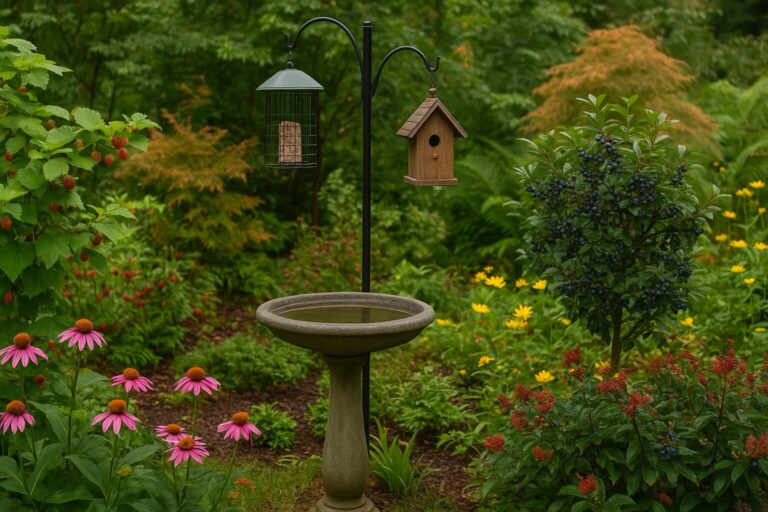
We design shallow basins and bird baths that mimic natural puddles, keeping depths between 1–2 inches so birds of all sizes can drink and bathe safely. Our installations often use natural stone or durable ceramics set into organic soil beds, with gently sloped edges and pebble islands for smaller species like kinglets and wrens. To maintain water clarity without harsh chemicals, we integrate solar-powered mesh filters or ultraviolet clarifiers alongside moisture-loving plants such as water parsley (Oenanthe sarmentosa) and marsh marigold (Caltha palustris), which help absorb excess nutrients and support local insect life.
For added attraction, we create gentle moving-water features—drip walls or micro-cascades built from stacked slate or basalt that replicate the soft murmur of a woodland stream. By situating these features near evergreen ferns and vine maples, we ensure quick shelter access and encourage repeat visits. Our smart irrigation controls, linked to rain sensors and soil probes, keep water levels stable through dry spells, while permeable gravel surrounds prevent erosion and support ground-foraging species.
We schedule regular cleanings to keep feeders and nest boxes safe and inviting. Every 4–6 weeks, we remove old seed, scrub feeder trays and perches with a mild bleach solution (one part bleach to nine parts water), rinse thoroughly, and allow components to dry completely before refilling. For wooden nesting boxes, we clear out old nesting material each autumn, disinfect the interior with a vinegar spray, and check for rot or insect damage. Proper drainage and ventilation perforations are inspected to ensure moisture and heat don’t accumulate—key steps in preventing mold, mites, and bacterial growth that can harm both young and adult birds.
Beyond hygiene, we reinforce structural health and predator defenses. We tighten loose mounting hardware on pole- and tree-mounted feeders, replace worn baffles, and smooth any rough edges that might injure delicate feet or wings. For nest boxes, we adjust entrance-hole protectors and install metal predator guards to deter raccoons, squirrels, and starlings without altering natural aesthetics. Seasonal tune-ups include repositioning feeders away from heavy foliage during breeding season, to reduce nest predation, and lowering houses slightly after fledging to discourage repeat nesting in unsuitable spots. With these proactive measures, we ensure your bird-friendly installations remain reliable, resilient, and ready to support healthy local populations year after year.
We offer personalized bird‐friendly garden design and installation services to help you create a thriving wildlife habitat tailored to Seattle’s unique environment. Our expertise includes native berry‐producing shrub and tree planting, custom bird baths and water features, strategic feeder and nest‐box selection and installation, and ongoing habitat maintenance. During an initial consultation, we evaluate your site’s soil health, light exposure, and microclimates to develop a bespoke plan that attracts and supports local bird species while enhancing your landscape’s beauty and sustainability.
Ready to welcome feathered friends into your garden? Email us at connect@rutheodesigns.com or call (360) 844-2989. Whether you’re curious about selecting the best berry shrubs, designing a shallow pool or drip wall, or choosing predator-resistant feeders and houses, we’re here to guide you through every step of creating your ideal bird‐friendly oasis.
We use cookies to improve your experience on our site. By using our site, you consent to cookies.
Manage your cookie preferences below:
Essential cookies enable basic functions and are necessary for the proper function of the website.
Google Tag Manager simplifies the management of marketing tags on your website without code changes.
Statistics cookies collect information anonymously. This information helps us understand how visitors use our website.
Google Analytics is a powerful tool that tracks and analyzes website traffic for informed marketing decisions.
Service URL: policies.google.com (opens in a new window)
Google reCAPTCHA helps protect websites from spam and abuse by verifying user interactions through challenges.
Marketing cookies are used to follow visitors to websites. The intention is to show ads that are relevant and engaging to the individual user.
Facebook Pixel is a web analytics service that tracks and reports website traffic.
Service URL: www.facebook.com (opens in a new window)
You can find more information in our Cookie Policy and Privacy Policy.