A low-water lawn alternative should begin with how the yard functions. The area may need to support play, a route to the gate, quiet seating, pollinator habitat, or a green view from the house. Each use points toward a different surface and planting form.
The site then narrows the choices. Sun and shade affect growth. Traffic affects how much wear a planted surface can accept. Slope and drainage influence access, erosion risk, and where water collects. Maintenance matters during establishment and after the planting fills in.
This guide helps Seattle homeowners compare alternatives after those conditions are clear. A failing lawn needs diagnosis first. Start with Why Your Seattle Lawn Keeps Thinning so a shade, compaction, or drainage problem does not follow the replacement.
Define What the Lawn Area Still Needs to Do
Walk through the area and name its jobs. Play surfaces need room, visibility, and tolerance for repeated foot traffic. Paths need a clear route in wet weather. Planting viewed from a window can favor seasonal change and habitat. A rarely used side yard may need stable soil cover and occasional access.
Mark the parts that serve different purposes. One broad lawn rectangle may contain a play zone, a shortcut, a soggy corner, and an unused edge. Treating those parts separately can produce a better fit than asking one replacement to perform every job.
Include practical access in the map. Note gates, bins, hoses, utilities, storage, garden beds, and routes used by children or pets. Record where people step now, including shortcuts across the turf. Those worn lines reveal circulation that a planting plan must respect.
Decide which lawn qualities still matter. Some households want an open surface for active use. Others mainly want a calm green foreground or a low planting that covers soil. The answer can support a smaller lawn, a planted alternative, or several treatments in one yard.
Light, Traffic, Slope, and Drainage Narrow the Options
Observe the area in more than one season. Seattle’s summer light pattern can differ from winter, especially near deciduous trees and buildings. Record full sun, filtered light, deep shade, and places where reflected heat dries the ground faster.
Traffic needs the same specificity. Occasional steps for pruning differ from daily trips to a gate. A child’s play area, a dog’s running line, and a table with chairs place distinct demands on the surface. Put the heaviest movement on a durable route instead of expecting delicate planting to absorb repeated wear.
Slope changes both use and care. A steep area may be awkward to mow, walk, weed, or irrigate during establishment. Exposed soil can also move before roots and foliage cover it. The WSU/King County lawn guidance advises choosing alternatives by sun, slope, drainage, and intended use.
Drainage can vary within a few feet. Note where water stands after rain, where runoff crosses the area, and where soil stays dry under eaves or trees. A wet low point and a dry upper edge may need different plant communities. Persistent sogginess, erosion, or unexplained runoff calls for assessment before installation.
Compare Groundcovers, Meadow-Like Planting, and Smaller Lawn Areas
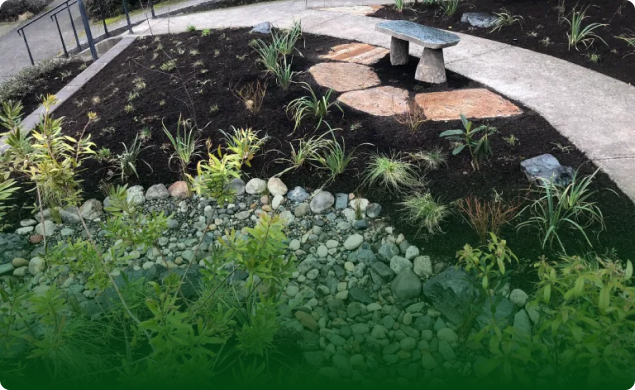
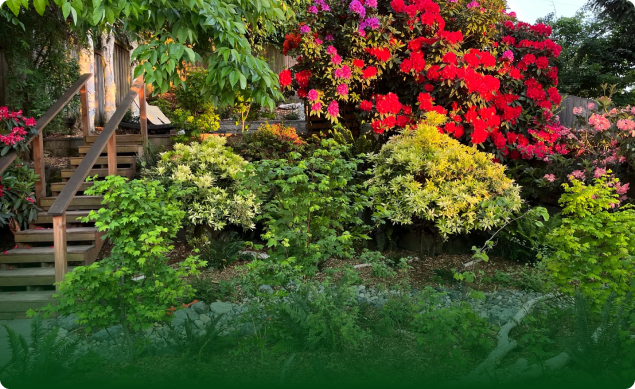
Groundcovers can suit areas that need soil coverage, visual continuity, and limited foot access. They can work beneath open tree canopies, along lightly used edges, or between defined stepping routes. Their fit depends on light, moisture, mature spread, and the amount of disturbance the area receives.
Meadow-like planting can give a sunny or partly sunny area more height, movement, and seasonal change. It usually works best where people can enjoy the planting from a path, patio, or window. The design still needs edges and access for observation, selective cutting, weeding, and renewal.
A smaller lawn can preserve open space where active use matters. The surrounding area can shift to groundcovers, meadow-like planting, shrubs, or garden beds matched to each site’s conditions. This approach concentrates mowing and summer water decisions in the part of the yard that still earns them.
Hard-surface circulation may also belong in the plan. Stepping stones or a defined path can carry routine traffic through planted areas. Seating can sit on an appropriate stable surface instead of compressing the soil beneath a low planting. These are layout decisions, so accessibility, drainage, and construction details need site-specific review.
Foot Traffic Changes the Shortlist
Ask how often feet, paws, wheels, and furniture will cross each part of the area. Groundcover that tolerates occasional steps may still fail on a daily shortcut. Meadow-like planting needs protection from repeated passage. A small lawn may suit active use while planting occupies the quieter edges.
Directing movement can expand the planting choices. Put a clear route between destinations and keep maintenance access visible. Where children or pets use the space intensively, preserve enough open room for that activity instead of squeezing it into fragile planting.
Seasonal soil conditions matter too. Saturated or frozen ground is more vulnerable to traffic, and repeated use can compact a wet route. Observe the yard during rainy periods before deciding that summer performance represents the whole year.
Establishment and Ongoing Care Still Matter
Every living replacement has an establishment period. New plants need monitoring, water suited to their needs, and protection from heavy traffic while roots develop. WSU’s sustainable landscape guidance states that even drought-tolerant new plantings need regular water while their roots establish.
Ongoing care changes with the planting form. Groundcovers may need edge control, gap weeding, and renewal where traffic opens bare soil. Meadow-like areas need an intentional cutting and editing plan. A smaller lawn still needs mowing and decisions about summer dormancy or watering.
Choose the care you can provide. A low-water goal still involves seasonal observation, weeding, pruning, and repair. Start with healthy soil, site-suited plants, correct watering, and early problem identification. Ecological or least-toxic responses follow diagnosis. The care plan excludes homemade toxic treatments, toxic fertilizers, and toxic chemical herbicides or pesticides.
Match Plant Choices to the Actual Site
Build a plant brief before choosing any species. For each zone, record light, soil moisture, drainage, slope, expected traffic, available space, desired height, and maintenance access. Add household priorities such as year-round green cover, flowers, habitat, or a clear play surface.
Use that brief to compare plants by mature behavior. A suitable choice must fit the site’s sun and water pattern, remain within the available space, and tolerate the expected use. WSU’s sustainable landscape chapter recommends matching plants to sun, soil, water availability, topography, physical limits, household use, and maintenance capacity.
Avoid treating a label such as “drought tolerant” as a complete plan. The label cannot answer whether a plant fits Seattle winter moisture, summer exposure, foot traffic, or the soil in one yard. Establishment water still matters, and mature irrigation needs depend on the plant, soil, weather, and root development.
Group plants with compatible needs. A damp shaded edge should not share one watering pattern with a sunny, fast-draining slope. Site-matched groups make observation and watering more precise while keeping the design legible.
Before ordering plants, check mature size, local suitability, and current invasive-plant status. Review the plan again against paths and maintenance access. A plant that fits the climate may still be wrong beside a doorway, across a utility route, or in a frequently used play area.
When a Lawn Assessment Should Come First
Pause option selection when the site has an unresolved problem. Persistent thinning, moss, standing water, compacted soil, buried construction debris, erosion, or an unexplained wet spot can point to conditions that a new planting will inherit. This article leaves that diagnosis to the dedicated Seattle lawn-thinning guide.
An assessment also helps when the household is unsure whether to keep any turf. Replacing a High-Maintenance Lawn covers that broader keep-or-replace decision. Once the desired use and existing conditions are clear, this guide’s comparison can shape the replacement zones.
Bring a simple site record to the assessment. Include photos across seasons, notes about standing water and summer dryness, a sketch of circulation, and the activities the area must support. Mark sun and shade, slopes, worn paths, tree roots, utilities, and access for future care.
If you want help turning those observations into a site-specific plan, explore Rutheo Designs’ groundcover and low-water lawn services. We can compare planting forms, preserve the uses that matter, and plan ecological care around the conditions in your yard.